#1
Candles and Fragrances
Blog
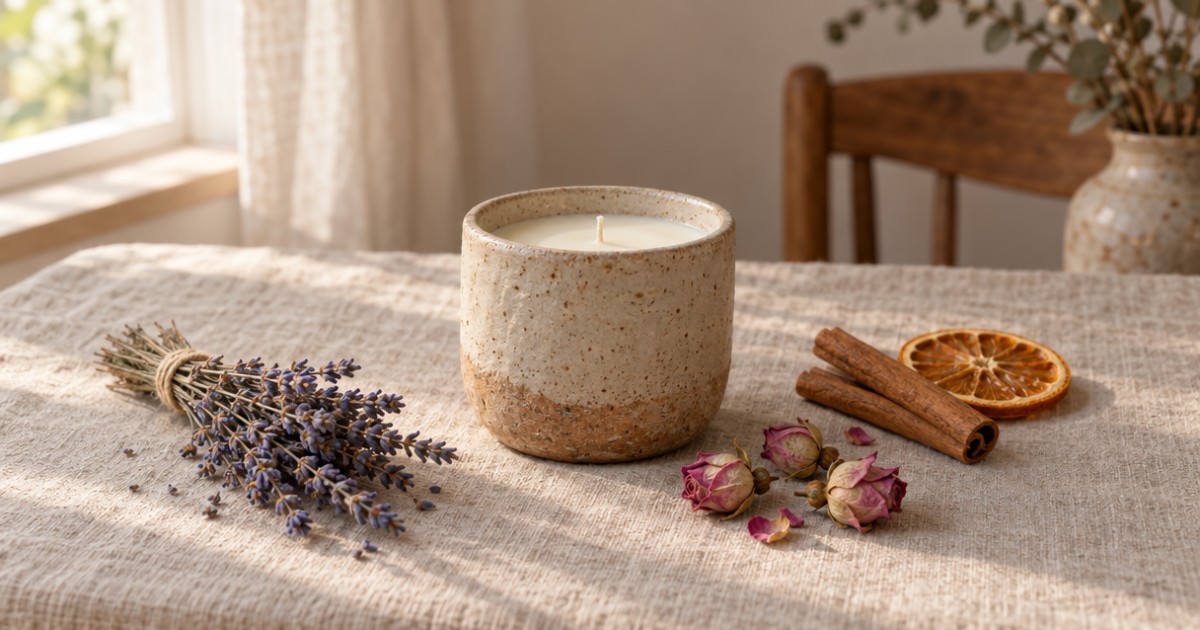
Dried flowers in a candle: beauty that burns at 180 °C
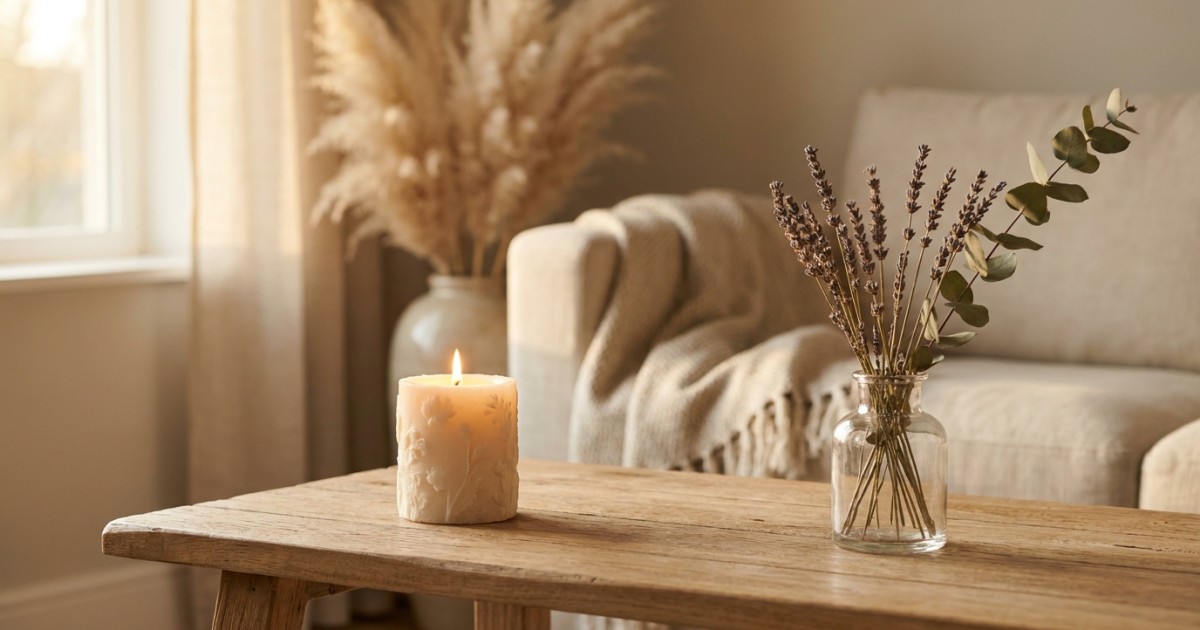
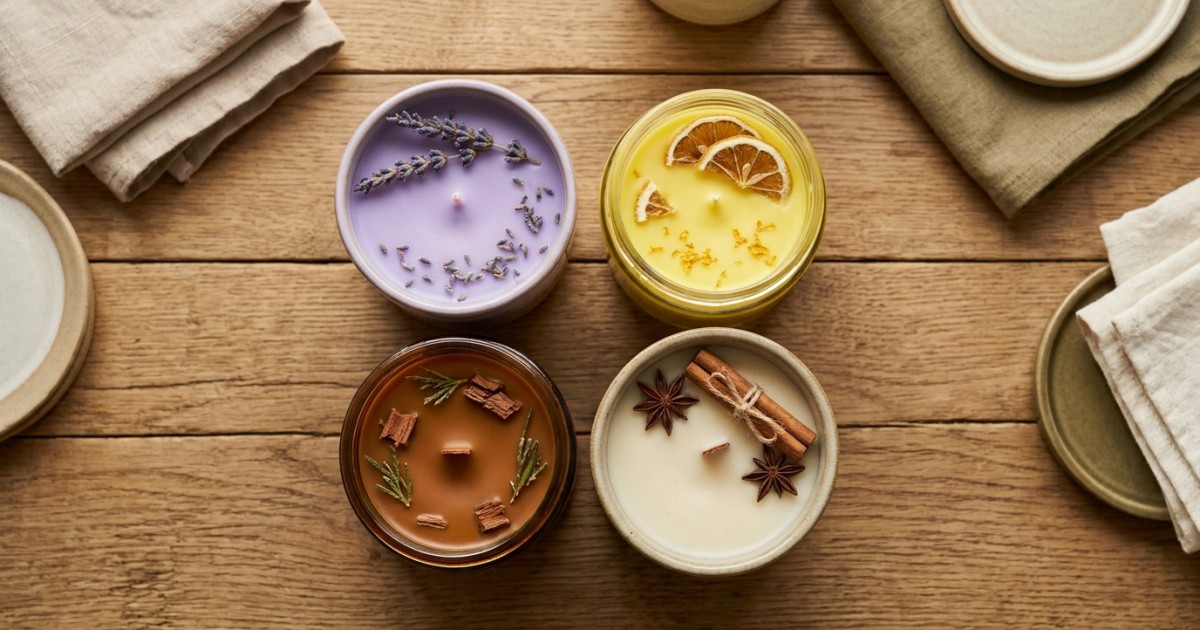
Dried roses, lavender, and cinnamon look aesthetic, but as flammable material in the path of a flame, they are a fire hazard and release acrolein (IARC 2A).
Candles and Fragrances
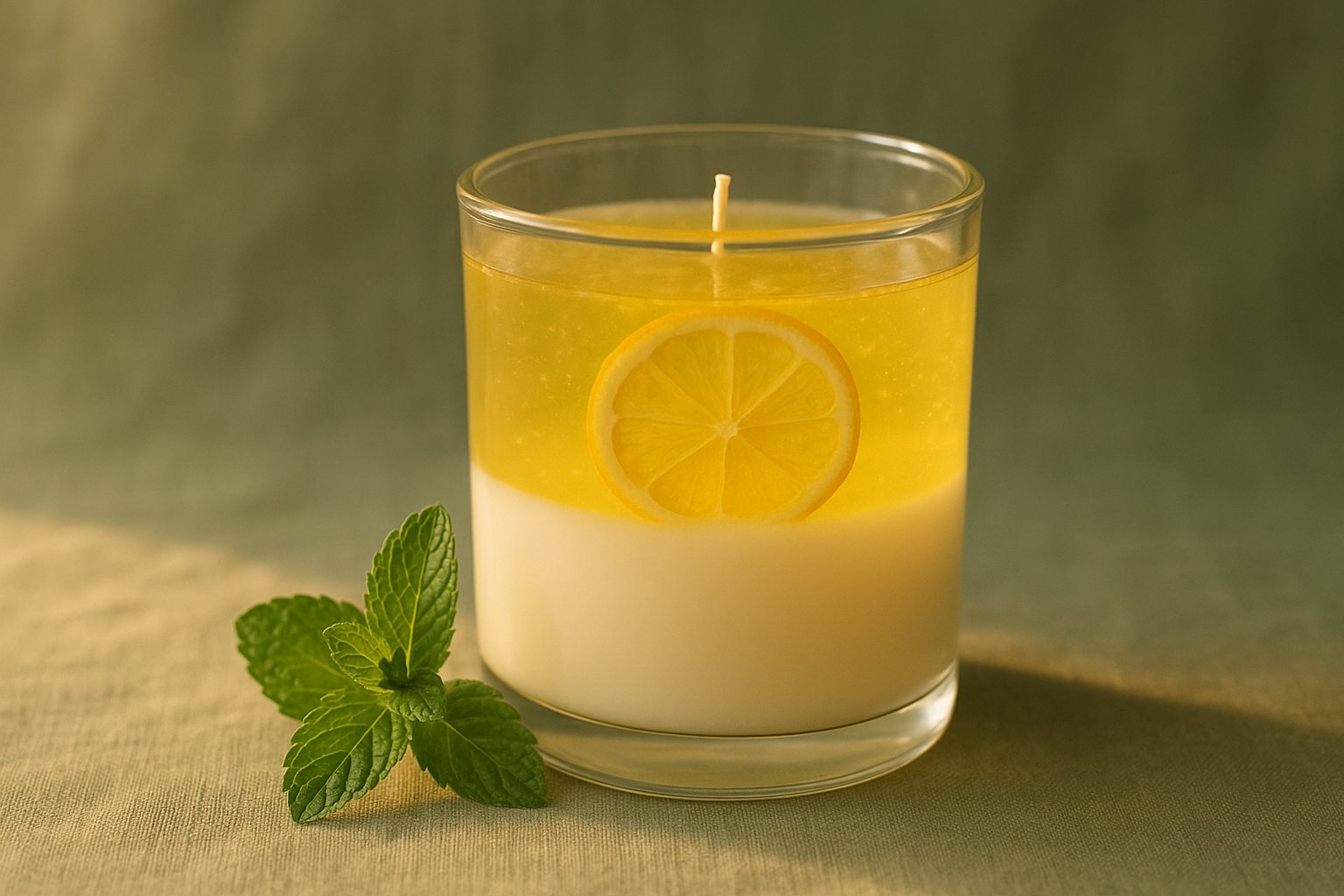
Lemonade candles from Instagram: why the glasses crack
Pinterest hit with a slice of lemon in gel. Why does a glass crack at a 35 °C delta, why does a lemon ignite at 200 °C, and which candles actually work at home.
Candles and Fragrances
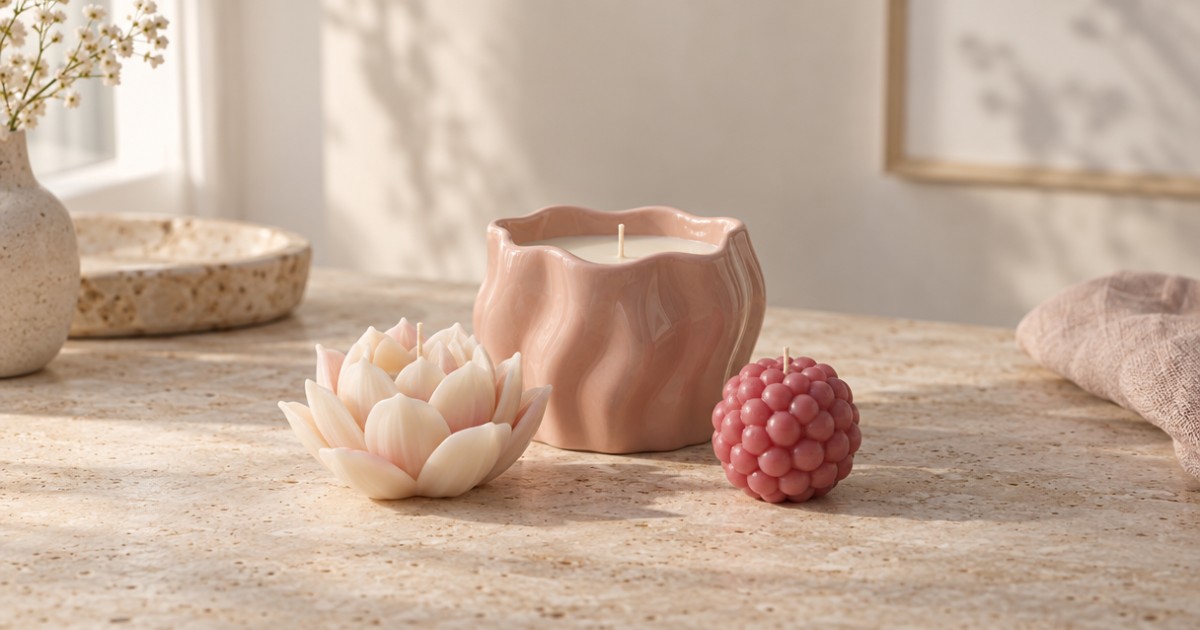
Premium candle vs. ordinary candle — 7 differences before buying
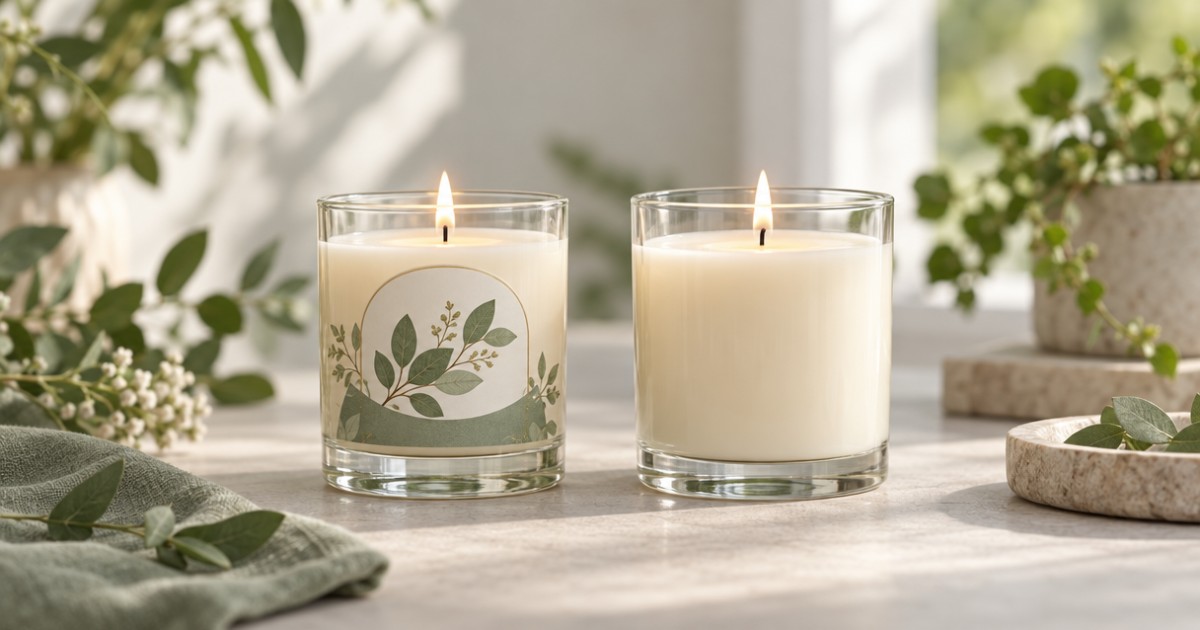
Guide to Two Types of Handmade Candles: EU Waxes, Fragrances, Certified Double-Layer Varnish. Seven Differences You Will See and Smell.
Candles and Fragrances
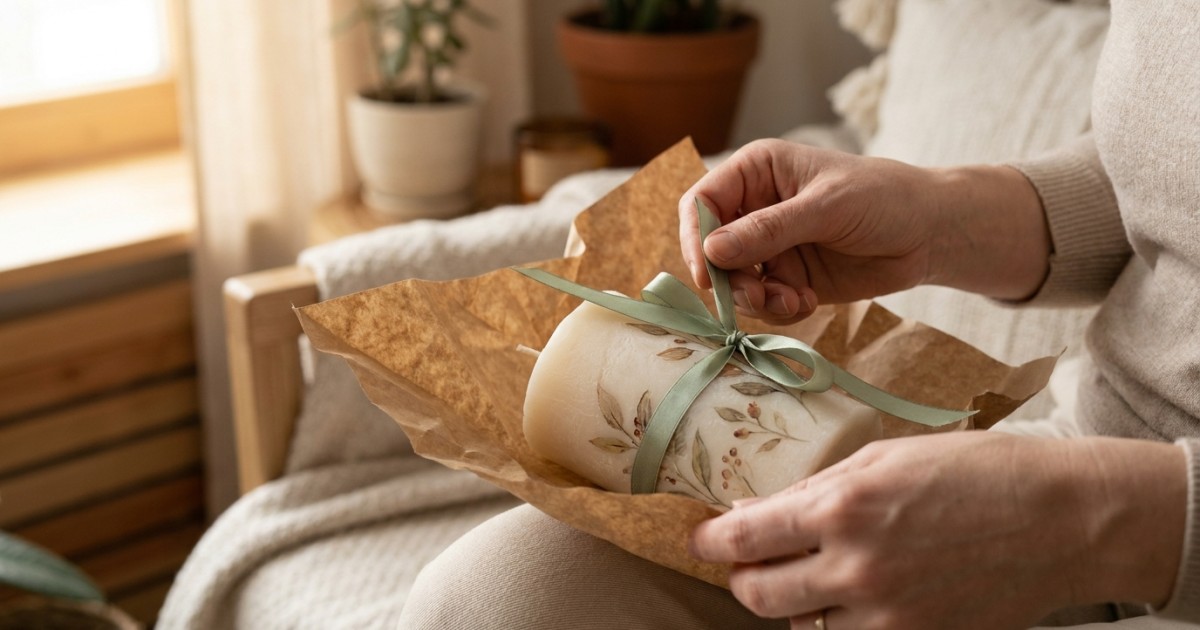
Handmade candles as a gift
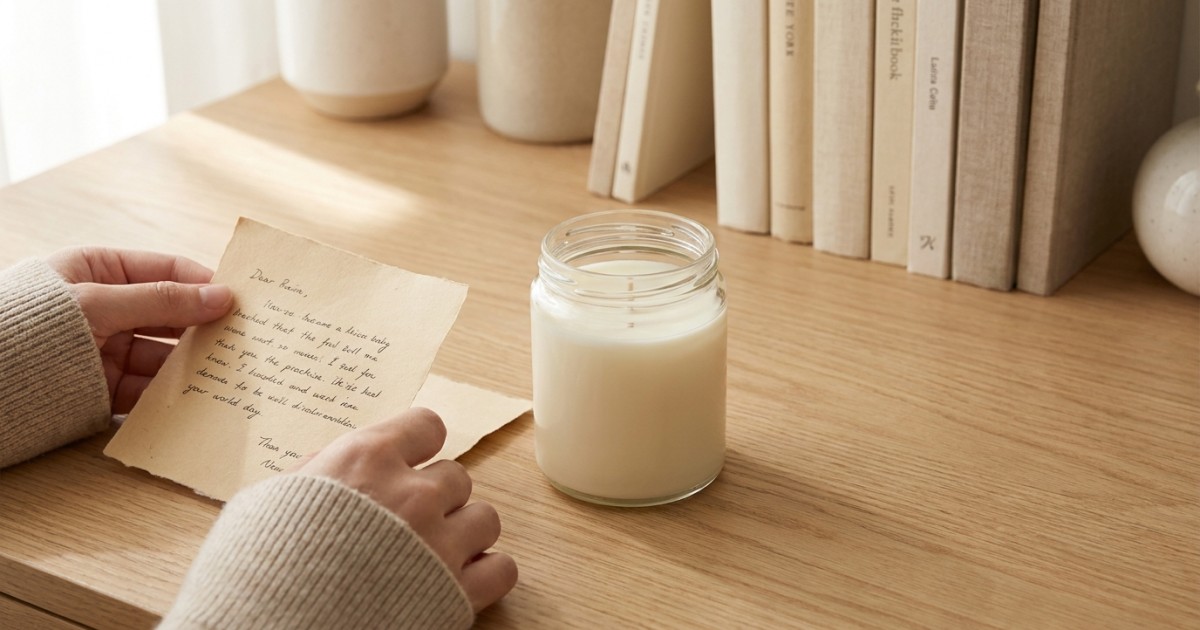
Why a handmade candle works better as a gift than a store-bought item: personal, practical, and remains a decoration even after burning
Candles and Fragrances
Natural Wax vs. Paraffin — Why Make the Switch
Paraffin is a petroleum derivative that releases toluene and benzene when burned. Natural wax burns cleaner, and the scent lasts into the next day.
Candles and Fragrances
How to Properly Use Scented Candles
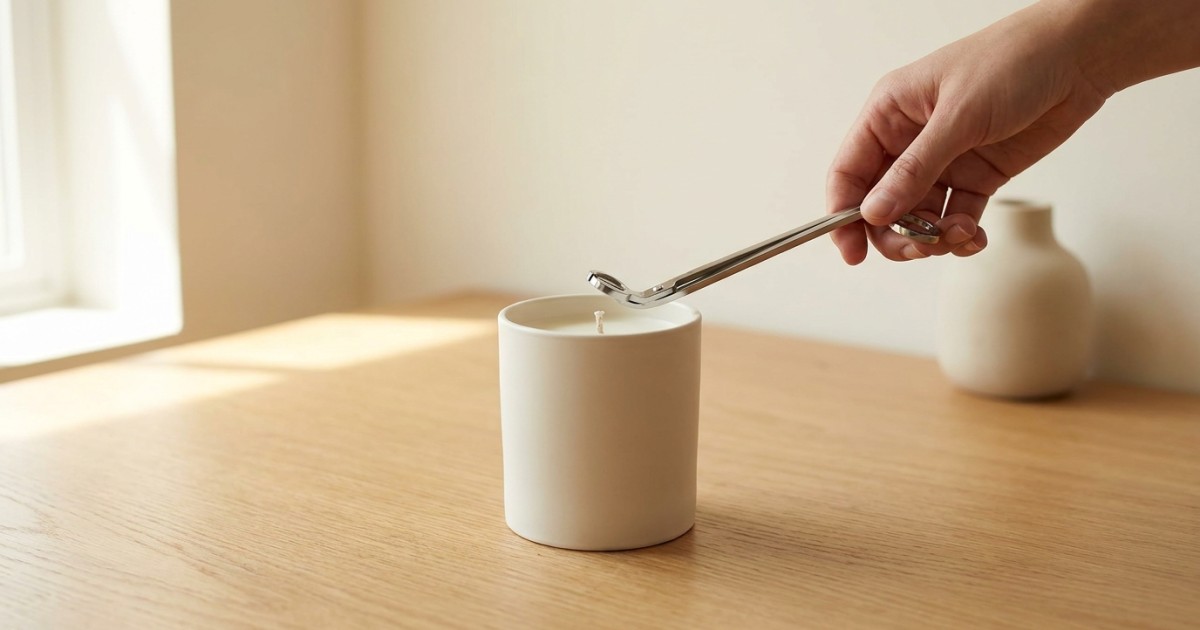
First lighting, wick length, extinguishing, and storage — 7 practical rules to ensure your scented candle burns evenly and safely.
Candles and Fragrances
How a Handmade Candle Is Made
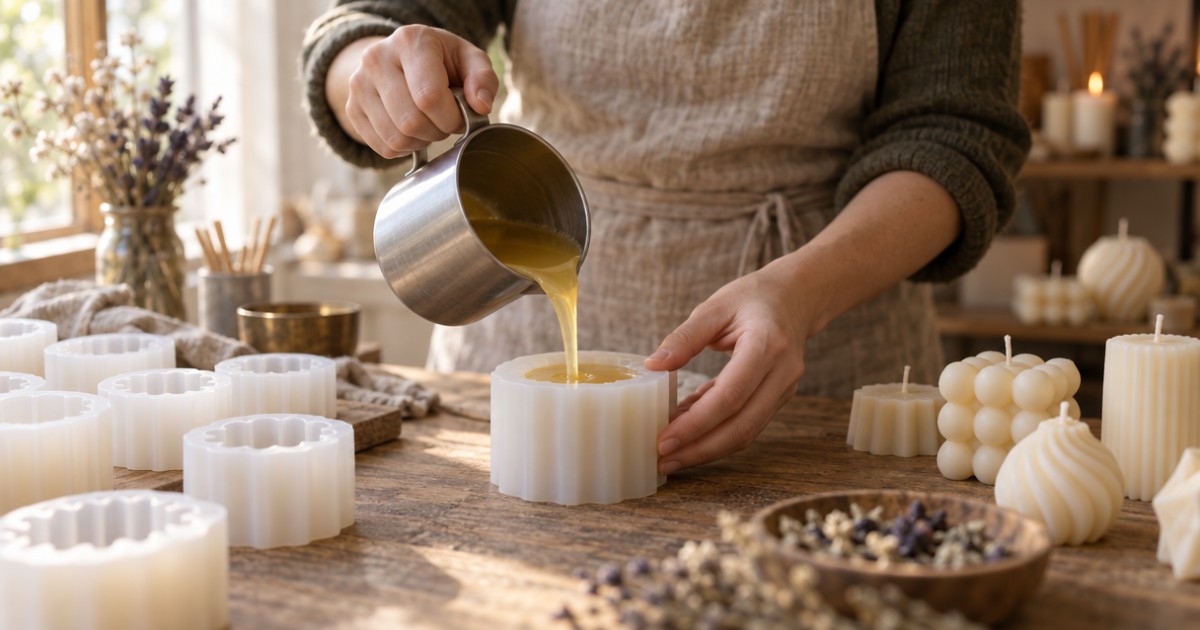
Report from a small Slovak workshop: two craft paths, nine and fourteen steps, scents and certified varnish. Why a handmade candle takes days.
Candles and Fragrances
Which fragrance for which room
Four fragrance families and where they belong: woody in the living room, floral in the bedroom, citrus in the kitchen. A practical guide to choosing a candle.