
How to Properly Use Scented Candles
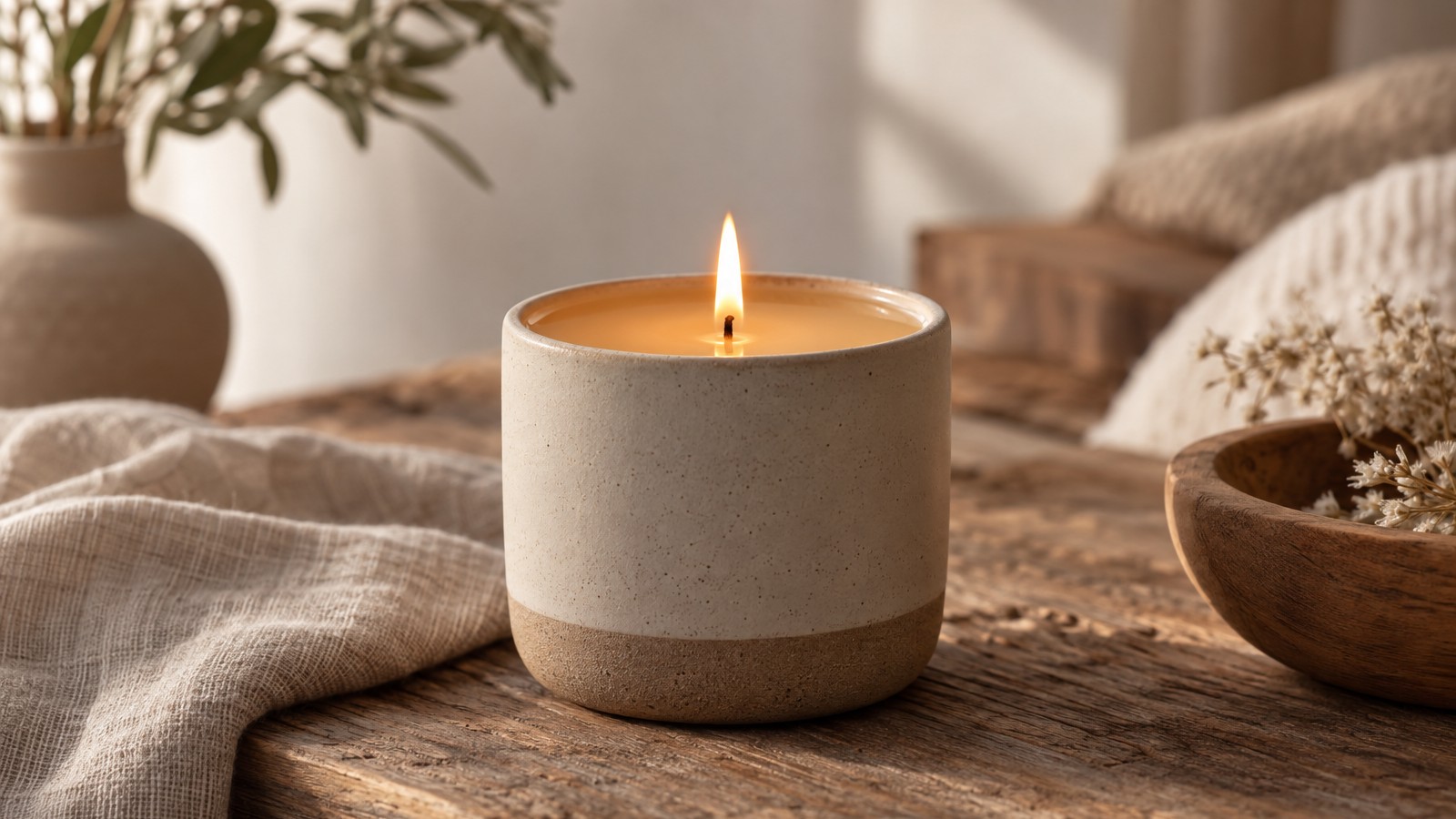
You light a candle, sit down, and within a few minutes, the room envelops you in the scent you chose. That's how it should be. But you look half an hour later and see this: the flame has burrowed into the center, carving a narrow pit around itself. The wax near the wall remains solid, untouched, as if it doesn't belong there. This is tunneling — the most common and irreversible mistake you can make with a candle. And it's not caused by bad wax or cheap fragrance. It happens in the first two hours. Wax has a memory: on the first burn, it remembers how far it melted, and every subsequent burn follows that line. A good handmade candle can withstand surprisingly much, but even the best recipe needs you to treat it for what it is — a slow-burning fuel that reacts to heat, drafts, and time. These seven rules will stop tunneling and most other problems. None of them costs an extra cent.
1. The first burn determines the entire life of the candle
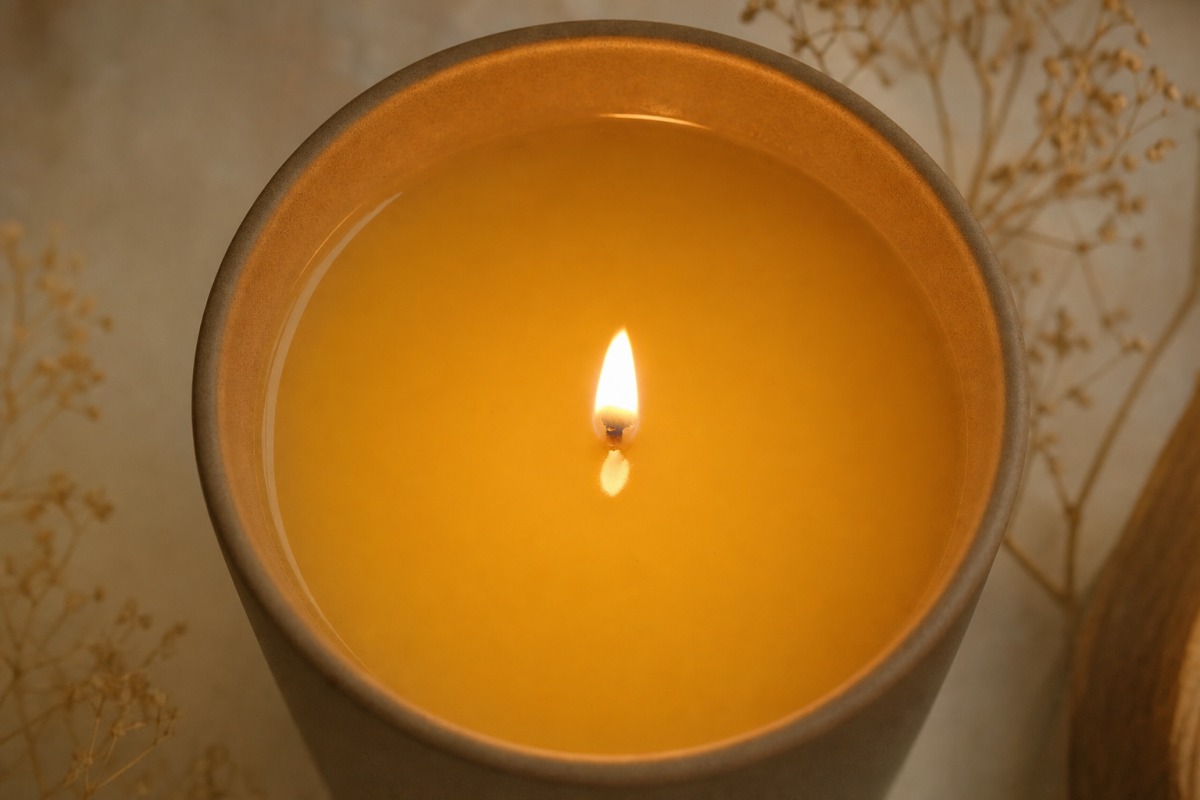
Wax melted by the flame's heat spreads sideways more slowly than it sinks down. If you blow out the candle the first time before the melted pool reaches the entire edge of the container, you create a tunnel. With every subsequent lighting, the flame will follow the hollowed path downward, the walls will remain untouched, and the ring of wax you paid for will never burn. The candle will then burn increasingly crookedly, and the flame will hide below the rim where you can't see it.
Therefore, don't rush the first burn. Let the candle burn long enough until the melted wax reaches the edge of the container — the entire surface is liquid, shiny, and level from wall to wall. For a standard diameter, this takes one and a half to two hours. It's a one-time investment of time that will return a third of the wax that would otherwise end up as a solidified ring on the wall. With densely packed vegetable wax, the pool forms slowly, so set aside a quiet afternoon for the first time. You reserve these two hours once. The candle will remember them forever.
2. Trim the wick to 5 mm before every lighting
A long wick looks innocent, but physics is relentless. The longer the wick, the taller the flame, the more wax is burned per unit of time, and the more of what shouldn't be there gets into the air — soot and a thin wisp of smoke. A tall, dancing flame is not a sign of a strong candle. It's a sign of a wick begging for scissors. Moreover, a taller flame disappears before your eyes, giving you less fragrance and fewer hours.
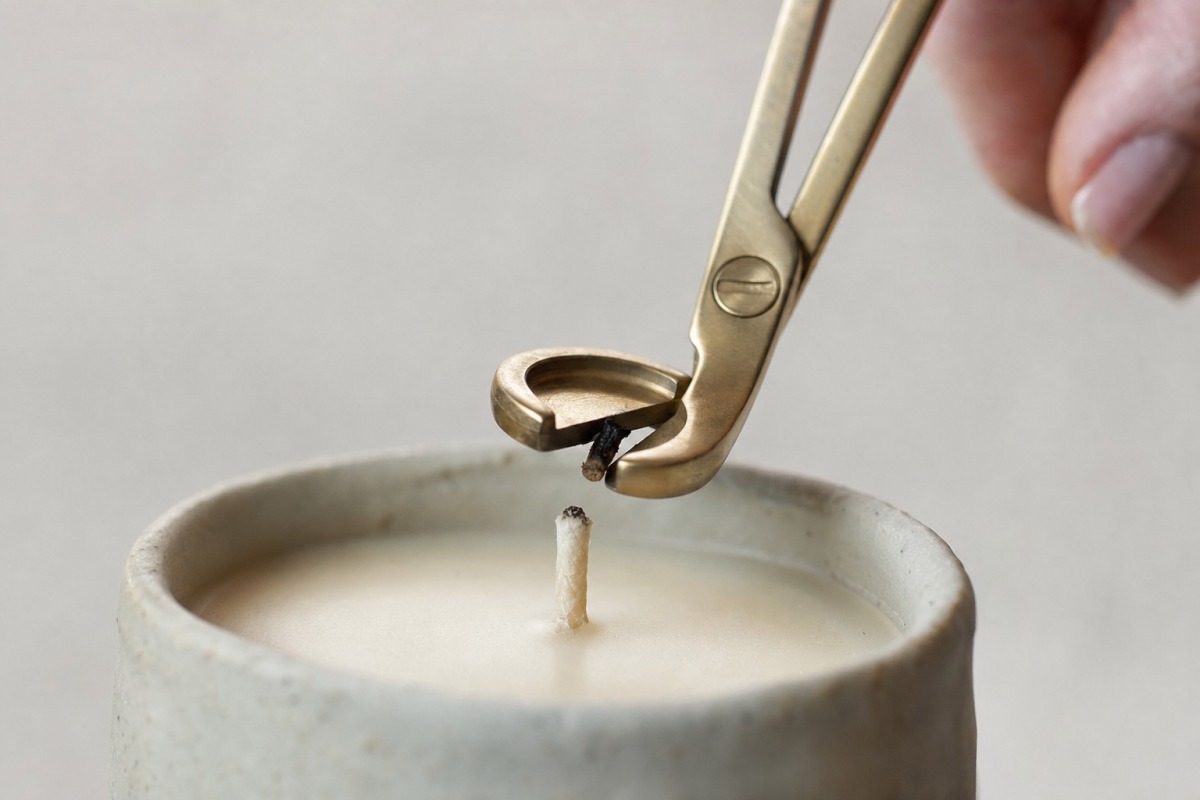
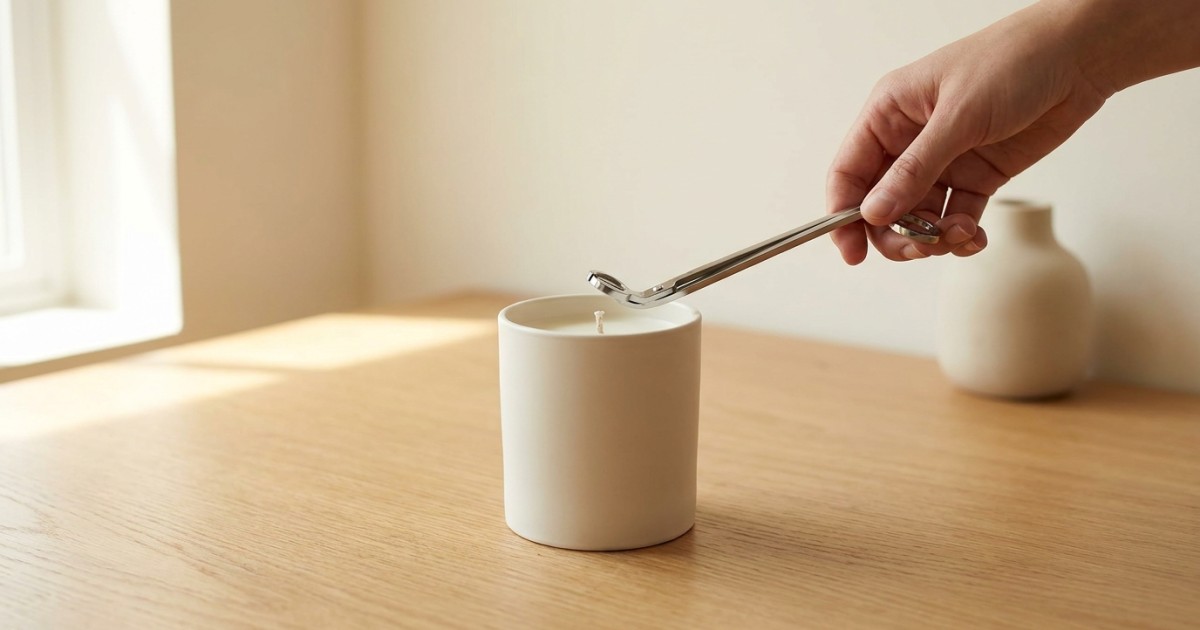
Before each lighting, trim the wick to about five millimeters. Ordinary scissors or a small wick trimmer will do — it depends on the length, not the tool. Also remove the charred residue from the previous burn so it doesn't fall into the wax. You'll see the difference immediately: the flame is low, stable, and focused, yellow with a golden edge, without a wisp of smoke rising to the ceiling. With denser vegetable wax and a pure cotton wick, this effect is even more pronounced — it burns cooler, so the flame remains bright and almost soot-free from the first minute.
3. Don't burn for longer than 3–4 hours at a time
A candle is not a fireplace meant to burn all evening. After three to four hours of continuous burning, the container and wax overheat, and the wick begins to "mushroom" at the tip — a carbon ball forms on it, producing smoke and soot. The flame grows, the wax pool overheats, and suddenly the candle burns worse than when you lit it. An overheated container is also a safety risk, especially with thin-walled glass or ceramic.
The solution is boring and precise. After three to four hours, extinguish the candle, let the wax solidify and cool, trim the wick, and only then relight it. A few minutes of patience protect the container from overheating and give you back a clean, calm flame instead of watching an exaggerated, smoky fire for the last hour of the evening. The break doesn't harm the fragrance either — on the contrary, the next round burns cleaner.
4. Away from drafts — a dancing flame produces soot
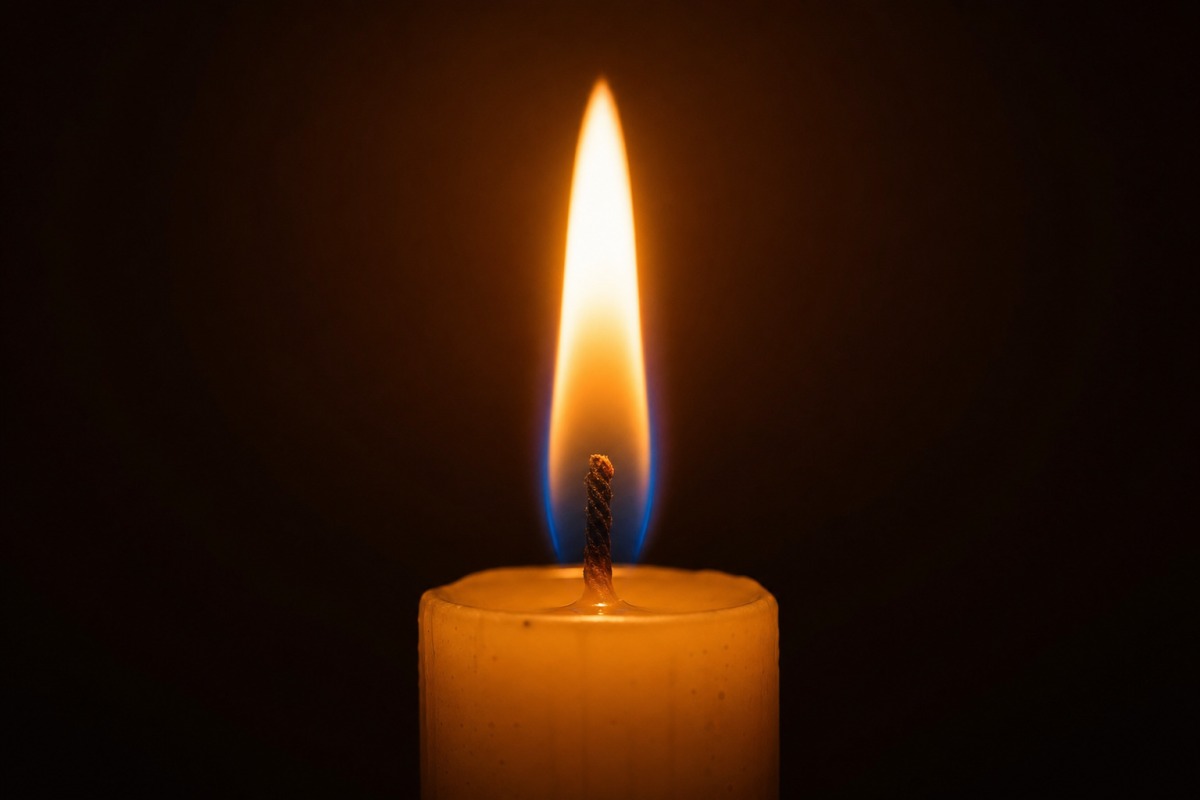
A stable flame stands upright and barely moves. As soon as it starts flickering, leaning, and dancing, something is wrong — and almost always, a draft is to blame. An open window, a fan, air conditioning, airflow from under the door: each pushes the flame sideways, it burns the wax unevenly, a significantly higher edge forms on one side of the container, and the candle starts burning crookedly. Flickering also means incomplete combustion, meaning more soot on the container and in the room.
Place the candle where the air is still — away from windows, doors, fans, air conditioning, and heating vents. If the flame still dances even in a calm spot, move the candle a little further and watch where it settles down. It's a small thing you'll notice only when you move the candle half a meter from the window and it suddenly stops smoking. For candles handmade in a small workshop in Slovakia, a straight flame is the natural state — just let it have peace.
5. Extinguish with a snuffer or by dipping the wick, not by blowing
Blowing out a candle is a bad habit that looks harmless but isn't. The stream of air from your mouth scatters droplets of hot wax around, the wick continues to smolder for a while, and a sharp wisp of smoke is released into the room, overpowering the very delicate fragrance you lit the candle for. Instead of scent, you get a burnt smell.
Two methods are better. A snuffer — a small metal bell on a handle — covers the flame, cuts off its oxygen, and extinguishes it quietly, without smoke or splashing. Or, dip the wick into the melted wax for a second using a toothpick or small stick, then straighten it immediately: it goes out instantly, doesn't smoke, and is already coated, making the next lighting even easier. Dipping also coats the wick with a thin layer of wax, so the flame catches even faster the next time. Both methods keep the last trace of the scent clean and the container free of wax stains around it. You'll notice the difference immediately — even after extinguishing, the room smells of the candle, not of a match.
6. Store away from direct sunlight and heat
The scent and color are the most delicate parts of a candle, and both are ruined by the same things: light and heat. Direct sunlight through a window gradually breaks down the fragrance oils, so an unlit candle loses intensity over time before you even use it. Ultraviolet radiation also fades the wax color — vibrant becomes dull, white turns yellow. Heat from a radiator or a windowsill above heating softens and deforms the wax, especially with free-standing poured candles.
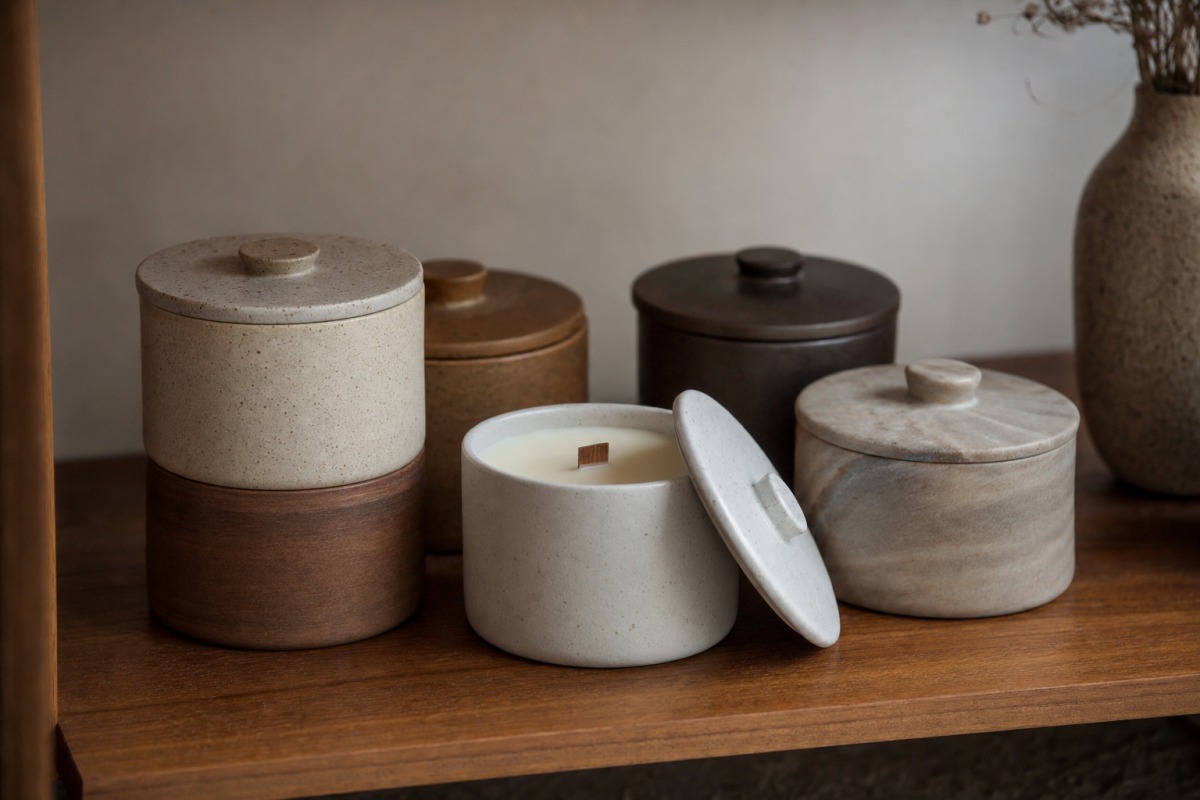
Store candles in a cool, dry, and shaded place — in a cabinet, drawer, or on a shelf away from direct sunlight, not on a windowsill and not above a radiator. If the candle has a lid, cover it after it has cooled; this protects the scent from evaporating and the surface from dust. Do not leave a candle in a car during summer, even for a moment — a free-standing poured candle can deform in a hot interior within hours. A candle that waits in its box like this will smell just as fresh when you first light it months later as it did on the day you unwrapped it. With a high fragrance concentration, this protection is doubly worthwhile — that's when you have something to lose.
7. Do not burn the last centimeter of wax
It's tempting to squeeze every last minute out of a candle. But when less than a centimeter of wax remains in the container, the flame burns very close to the bottom, and all the heat concentrates on one spot. With a thin layer of wax, there is nothing left to absorb the flame's heat — the glass or ceramic can overheat locally, and so can the surface underneath the candle. And that is exactly the moment when a pleasant evening turns into a risk. Moreover, the last bit of wax barely has any scent and burns unevenly.
When the candle reaches the last centimeter, let it rest. The remaining wax can be used — melted in an oil burner or left to scent a closet freely. Rinse the empty container with hot water, wipe away the wax, and you get an object that lives on: a ceramic dish for jewelry, a glass for pencils, a small vase for dried flowers. A quality container from a candle that passed through a craftsman's hands will remain on the dresser as decoration for years after the wax has burned away. A cheap thermoplastic jar will never offer this second life.
Why natural wax is more forgiving
All seven rules apply equally to every candle — cheap or premium. However, with natural vegetable wax, you are working with a material that meets you halfway. It burns cooler than petroleum-based paraffin, so the container can withstand longer burn times and is somewhat more forgiving of tunneling. It burns cleaner — less soot on the container, less unburned smoke in the air, no greasy film on window glass after weeks of use.
The difference cannot be captured in a photo. You feel it — in how evenly the candle disappears, how the scent lingers in the curtains the next day, and how cleanly it burns even in the last third. Candles poured in a small workshop in Slovakia from premium EU vegetable waxes are built precisely to maximize these seven habits. The detail that cannot be rushed pays off with every lighting.
A candle is not a consumable item that burns up and is done. Used correctly, it burns evenly and leaves behind a container that stays on the dresser even after burning out. All it takes is the first burn to the edge, a trimmed wick, a draft-free spot, and a little patience — seven rules, zero extra cost. For those who want a candle that fully rewards these habits, choose a handmade piece from natural wax by NOBAMO — the shape, scent, and color that suits them perfectly.

Founder and owner of e-shops, father of two daughters and husband of Majka. Enthusiast for quality items with a well-thought-out story — from jewelry and watches to fashion accessories. He runs his stores with the same care he devotes to his family: he selects brands and products that he would buy for his loved ones. He regularly writes about how to choose a piece that will last for years.
All articles by author
 Container Candles

Bee Candle - White

Convallaria Candle - White / Milk, Honey
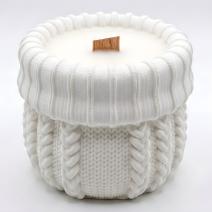
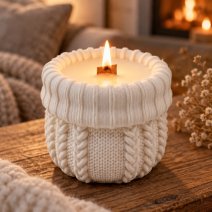
Svetrík Candle - White / Wild Plum, Rose, Patchouli
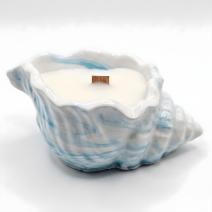
Candle Wave - Blue / Vanilla
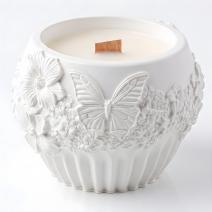

Candle Meadow - White / Cherry, Almond
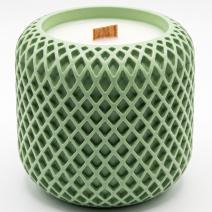
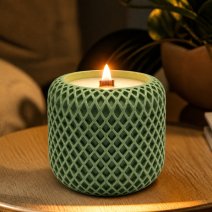
Candle Mosaic - Green / White / Wild Plum, Rose, Patchouli

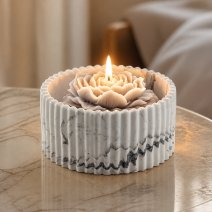
Carrara Candle - Peony / White / Silver / Lime, Mango


Highland Cow Candle - White / Vanilla
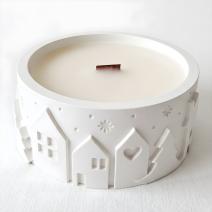

Winter Landscape Candle - White / Milk, Honey




Comments
Add comment
Login required
To add a comment, you must log in to your account.
Don't have an account? Register