
Premium candle vs. ordinary candle — 7 differences before buying
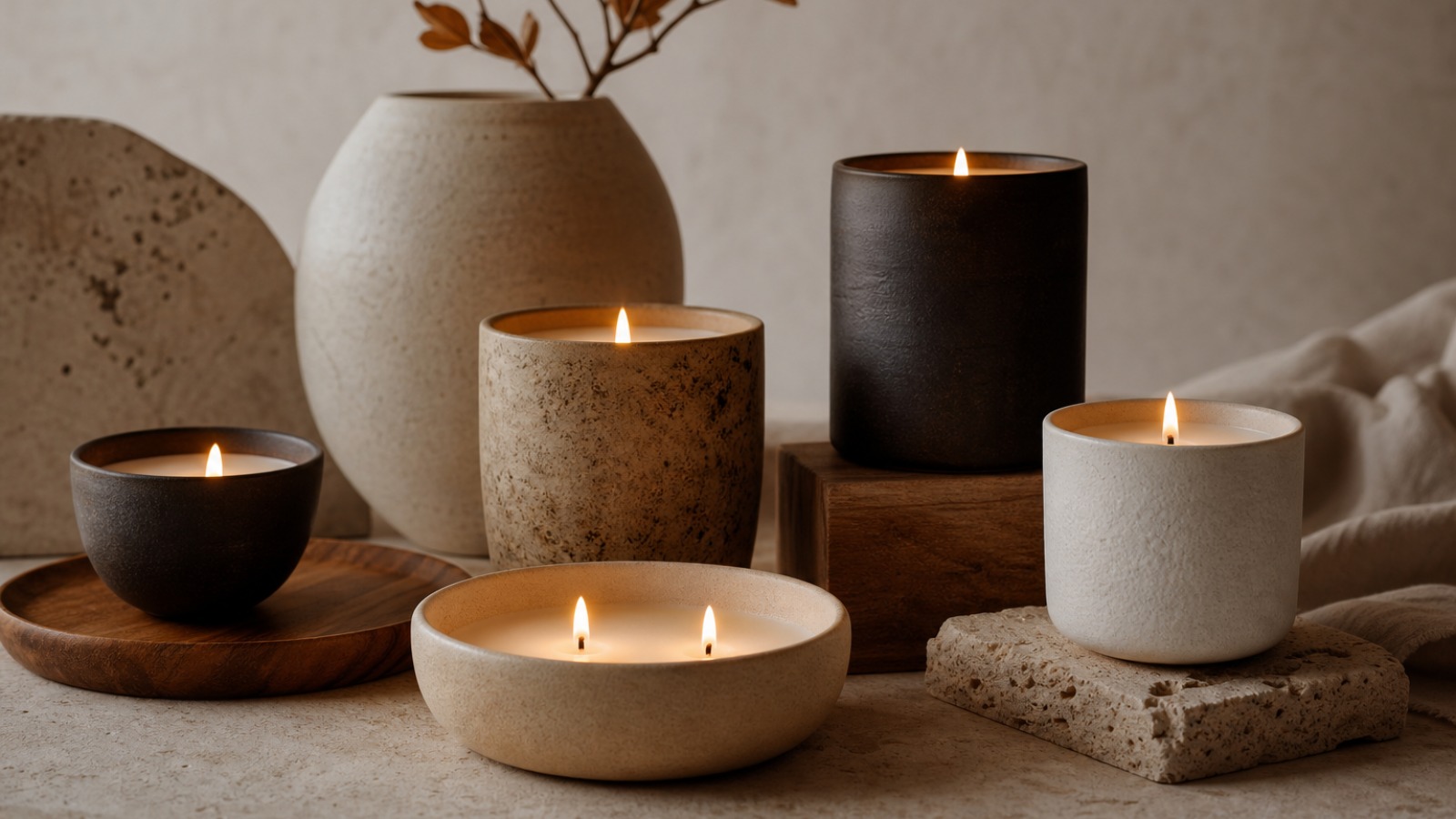
The difference between a mass-produced candle and one that has passed through the hands of a single artisan cannot be captured in a photograph. You feel it in how it burns. In how the fragrance fills the living room and lingers in the curtains even the next day. In how the container still shines six months later, beautifying your home. These details don't happen by chance. They arise from the selection of quality wax, from the lacquer formula, from the wick, and from a process that takes two distinct forms depending on whether the candle burns in a decorative container or stands alone as a wax casting. This guide opens the doors to a small workshop in Slovakia and shows both paths separately — from the first step to the last.
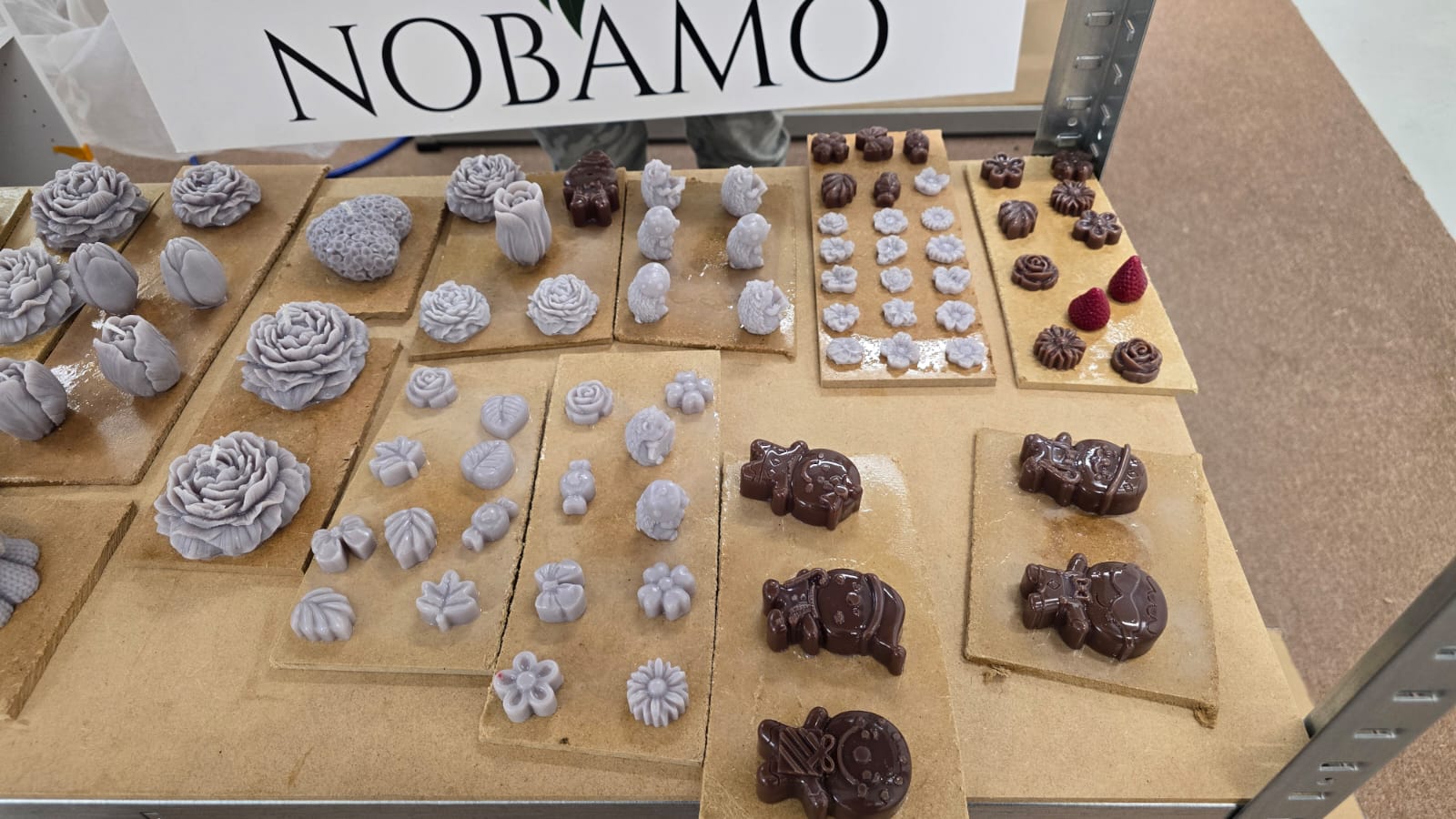
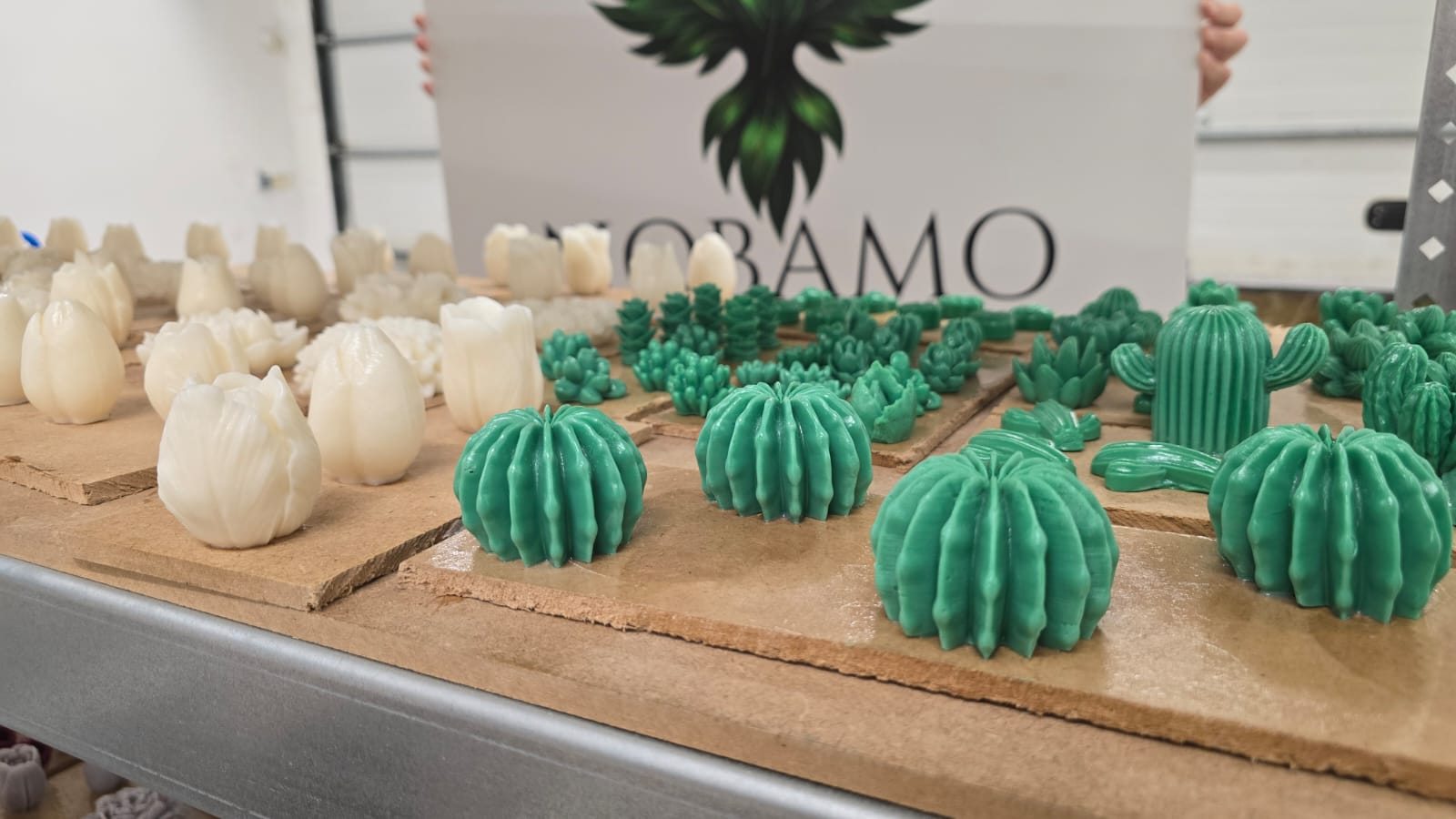
Two paths, two artisan processes
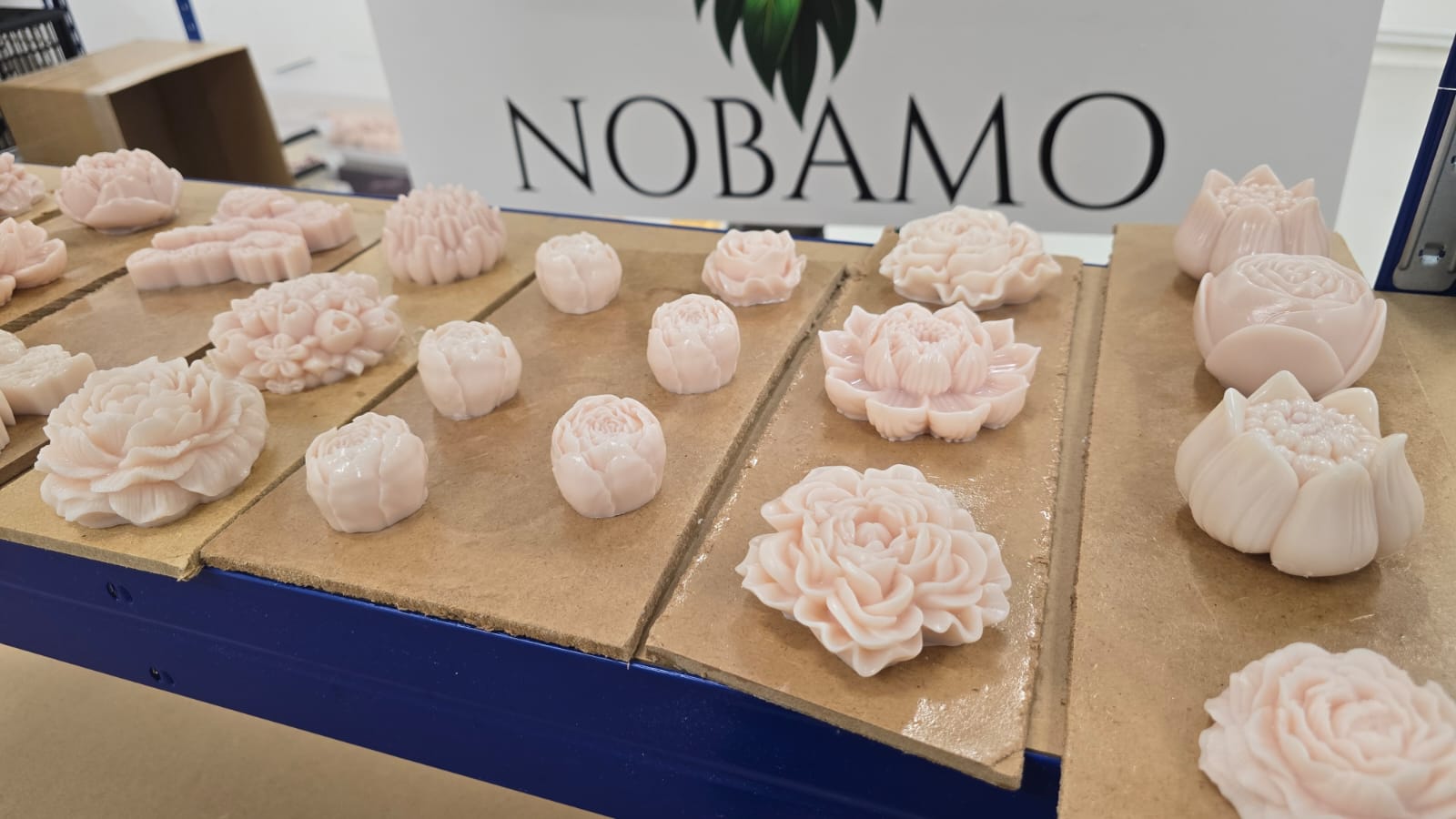
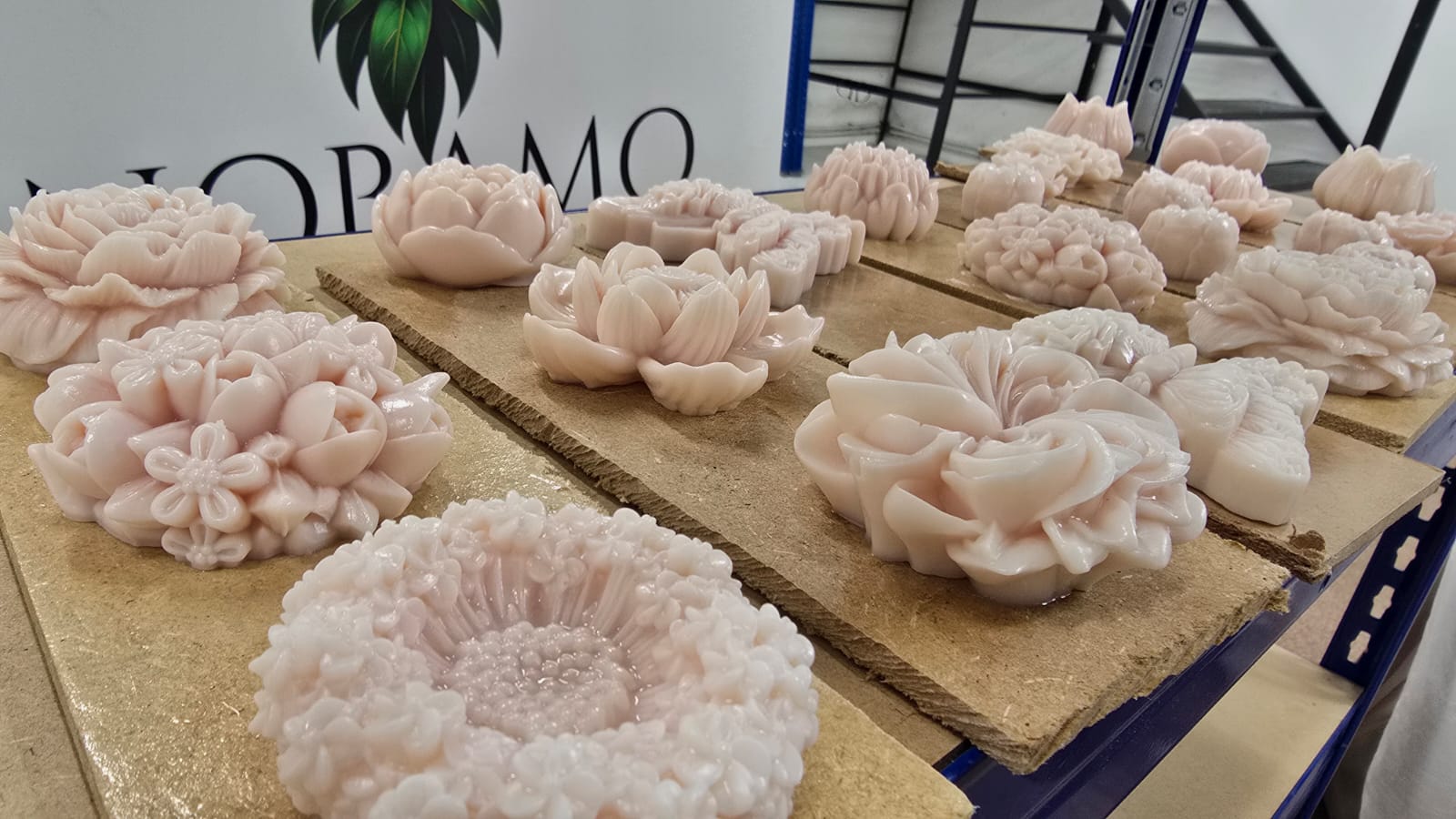
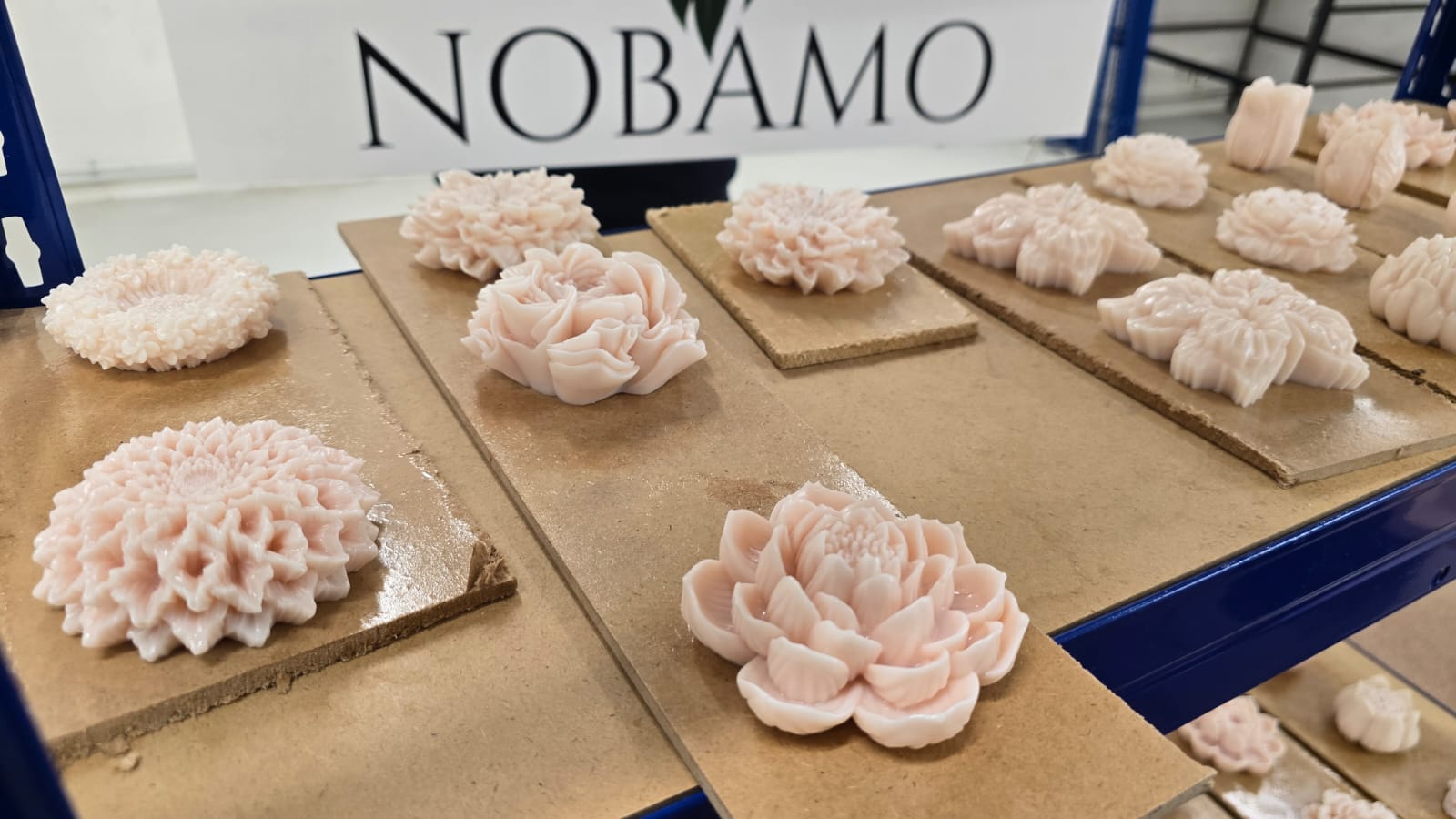
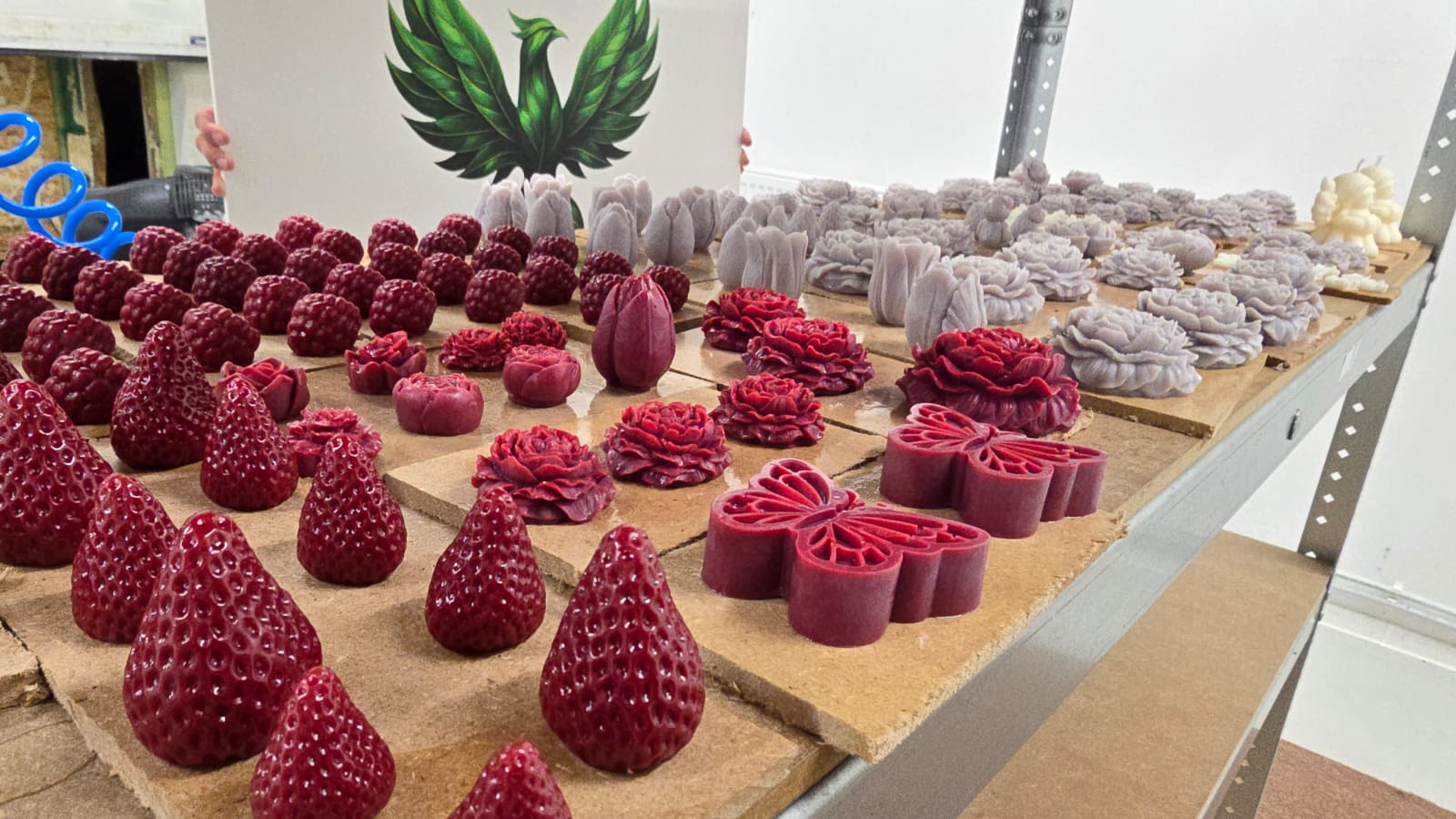
The term "handmade candle" in the mainstream sounds like one process. In reality, it consists of two physically distinct paths that only meet in one phase — during the wax pouring. One path leads to a free-standing wax candle. A casting in the shape of a raspberry, lotus, strawberry, or dahlia, which stands on its own, without a container. The entire piece is wax in substance and surface, and every millimeter you see is the result of pouring, cooling, demolding, trimming, and final spraying. The other path leads to a candle in a container. A decorative bowl, a corrugated vessel, or a sculpturally shaped base that itself persists as an object even after the wax has burned down. The container is a separate product with its own life and its own manufacturing process — the wax is merely its content.
Each of these types has its own workflow. A free-standing candle goes through the workshop in one to two working days and has nine main steps, condensed around two critical points — pouring the wax mass into the mold and the final spraying of a special certified lacquer directly onto the candles. A candle in a container needs two to three days and fourteen steps, because first the separate container is made, which undergoes two-layer lacquering with a first acrylic layer and a final layer of certified polyurethane lacquer with UV protection. The materials differ. The drying times differ. And above all — the surface finishes are radically different, because a wax surface and a ceramic container require completely different chemical solutions. Someone who understands both procedures sees something entirely different in the price tag of a premium candle than someone who only imagines simple pouring into a mold. You can read more about who is behind this production and what values they uphold on the about the brand page.
Wax: premium EU waxes
The cheapest wax on the market is paraffin. It is a petroleum derivative, a byproduct of refineries. It is produced in tons, molds quickly, and a candle made from it costs a few euros. It also has its price, just of a different kind. When burning, it releases traces of unburned hydrocarbon smoke that settles on ceilings, on curtains, and in lungs. It is not dramatic, but it is not neutral either.
The handmade candles this guide is about are poured from plant-based waxes originating from the European Union. Most commonly coconut wax, a coconut-apricot blend, or soy wax. Each has its own properties. Coconut holds fragrance exceptionally well and burns slowly and evenly. The coconut-apricot blend softens the surface and makes it look silkier. Soy is widespread and provides a clean, white wax that accepts color and fragrance predictably.
When lit, plant-based wax melts in a controlled manner, layer by layer. The melt pool around the wick does not form in a few minutes — it melts slowly, downwards, as the flame gradually descends into the candle. The flame is cleaner because the denser plant-based wax provides the wick with a more even fuel supply. And the fragrances — which have their own chapter below — are released into the air in a steady rhythm from the first minute to the last. During transport, plant-based wax does not leak, does not deform from heat in a car, and does not warp from accidental jolts. When given as a gift, the recipient receives the product in the same condition it left the workshop. This often does not work with paraffin castings in the summer. The raw material is not a marketing footnote. It is the foundation on which everything else stands.
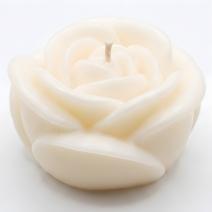
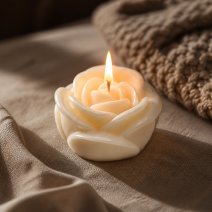
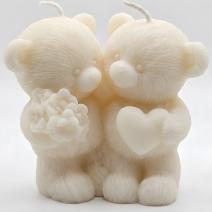
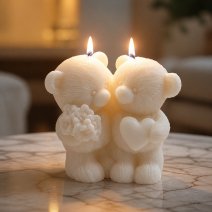
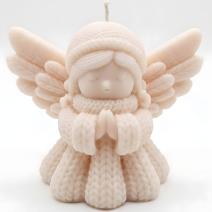
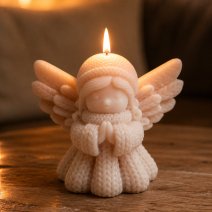
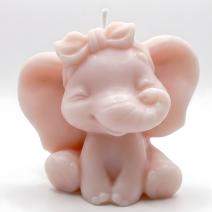
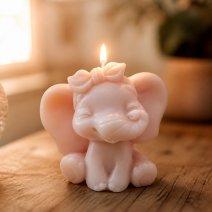
from 3,95 € 22 models in stock


Fragrance and wicks
The fragrance concentration in a candle is given as a percentage of weight. It's a number rarely seen on the packaging, but one that determines whether the candle will actually smell or just pretend to. The industry standard in the mid-price range is between four and six percent. At this level, the candle smells adequately while burning and reasonably well in a room up to twelve square meters. In a kitchen near the stove or in a living room with an open draft, the scent quickly dissipates.
In the premium category, the concentration increases. The container candles discussed in this guide contain more fragrance. This difference cannot be seen through the glass. When lit, you feel it immediately. The scent does not emerge from the candle gradually; it does not wait for the wax to heat up. It arrives with the lighting and lingers in the room even an hour after being extinguished.
The second factor is rarely mentioned. The fragrance oil market is global today, and a large portion of the perfumes in candles from the regular retail chain comes from Chinese imports, where regulation of what can be called "natural" or "aroma" is sparse. The workshop exclusively uses perfume compositions in line with the IFRA standard. IFRA is the international standard for the safety of fragrance substances, and each fragrance carries a declaration of the ingredients released during burning. This is not an administrative formality.
The wick receives the same attention. A cheap wick is often impregnated with an unidentified paraffin mixture and, when burning, releases black smoke visible as a thin streak at the mouth of the flame. The workshop uses wicks without paraffin impregnation, with a narrow metal base that ensures flame stability even when the last centimeter of wax remains in the candle. The flame is even, yellow with a golden edge, without a smoke streak.
The First Difference: Certified Candle Lacquer
A free-standing wax candle has one problem that standard production solves poorly or not at all. Its surface is waxy — sensitive to fingerprints, dust, humidity, and especially temperature. A typical workshop avoids lacquering wax candles entirely. Or, worse, it uses ordinary acrylic lacquer developed for wood or metal, which behaves unpredictably upon first lighting — the layer can scorch, crack, or even release solvents while burning.
In the workshop, this problem is solved with a special certified lacquer made directly for candles. The material is a hydro lacquer from a German manufacturer, developed with the knowledge that the surface being lacquered is flammable and heat-sensitive. Therefore, the lacquer contains no solvents that could react during burning and is applied in a thin layer that preserves the details of the casting but seals the surface against contact with fingers and dust.
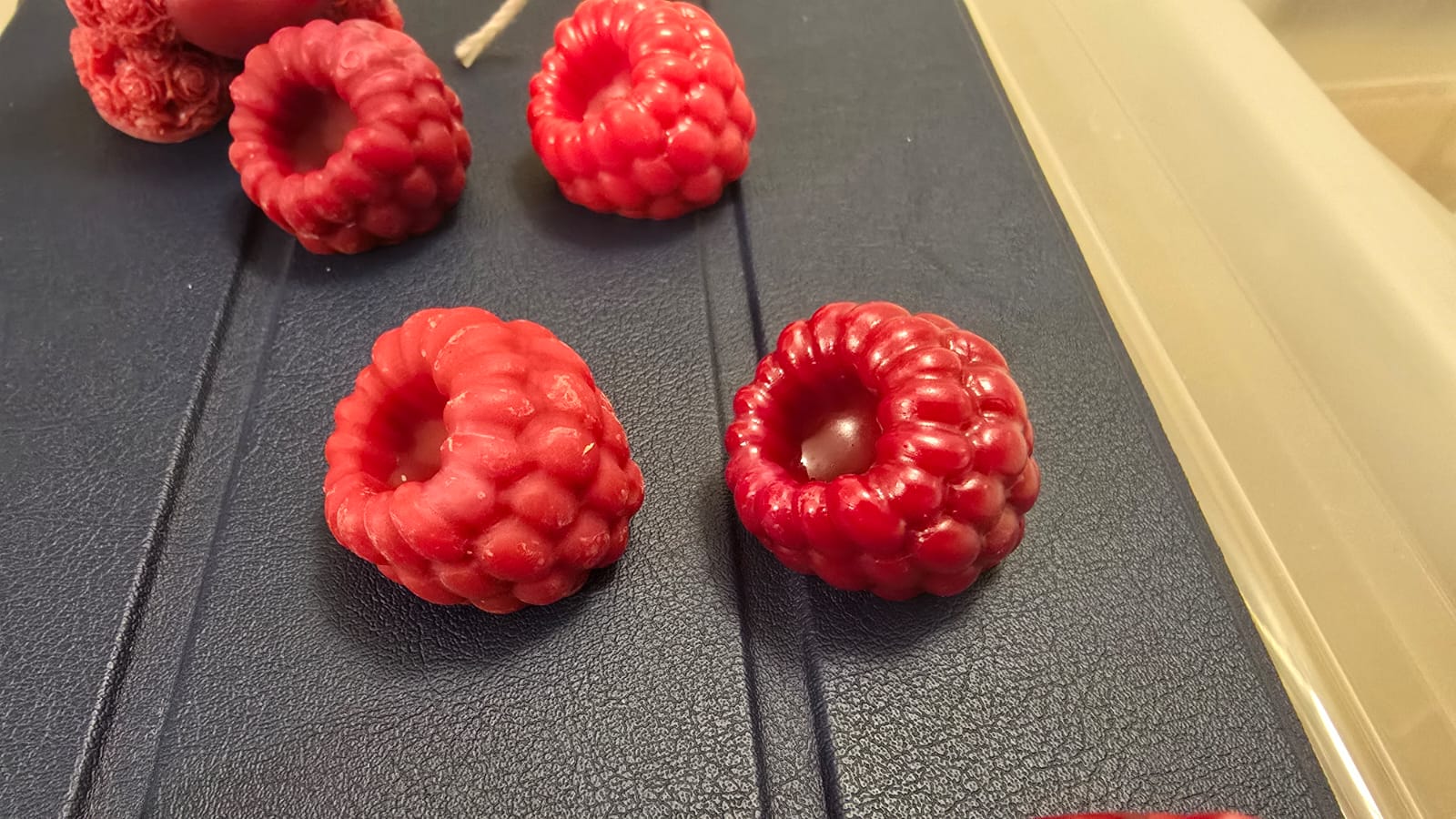
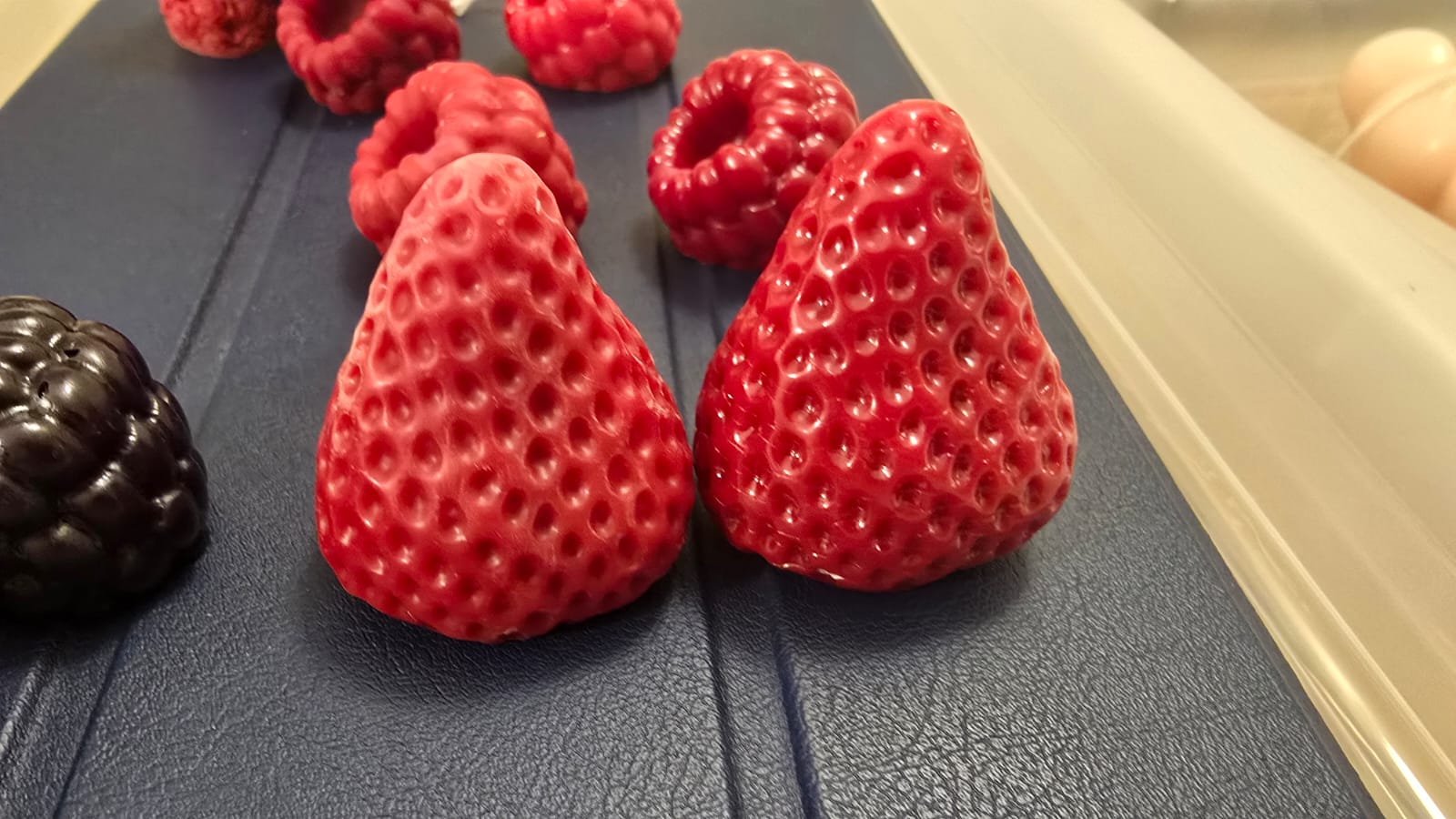
The practical consequence is immediately visible. A raw wax candle before lacquering is matte, slightly porous, with every touch leaving a print. After lacquering, the surface looks like satin-finished porcelain. It retains its color after months of sitting in the light and does not stick to itself during storage. And when lit, the lacquer behaves in a controlled manner upon contact with the flame — it melts together with the wax at the top of the candle, but keeps the bottom part, which is far from the flame, intact. This single material — certified candle lacquer — is the main technical difference between a premium free-standing candle and its mass-market equivalent.
Type 1: Free-Standing Candle — 9 Steps from Mold to Packaging
The first type consists of wax candles without a container — castings in the shape of fruit, flowers, sculptures, and other decorative objects. They are created by casting into silicone molds and finishing into a form that can stand on a table or shelf even when not lit. The workflow is straightforward. No two-layer container lacquering. No container sanding. Here are the nine steps in the order they occur in the workshop:
- Threading the wick through the mold. A European wick is placed into the silicone mold before pouring — the position determines the flame stability during burning.
- Preparing the wax mixture. Premium plant-based wax from the EU (coconut, coconut-apricot, or soy) is heated to the precise pouring temperature and mixed with color and with fragrance in line with the IFRA standard.
- Pouring wax into the mold. Slow pouring reduces air bubbles and ensures even cooling.
- Setting over several hours. The wax must not be accelerated by cooling — a gradual process maintains a stable internal structure.
- Removing from the mold. Carefully, to avoid damaging the shape — manual work, no automatic pressure.
- Trimming the bottom edge. So the candle stands straight on the surface; for some models, the edge is fine-tuned with a heat gun.
- Optional hand painting and drying. For selected models, hand-painted ornaments are applied with a fine brush.
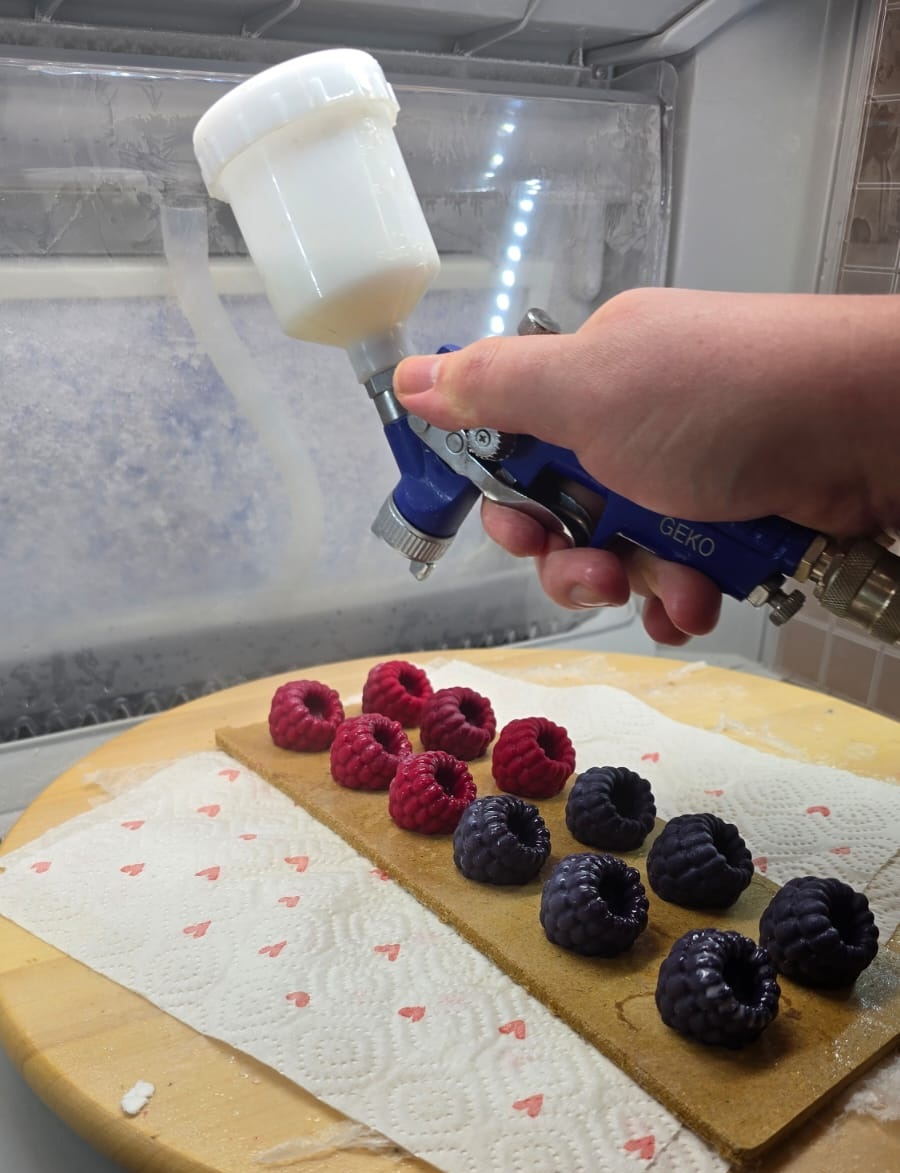
- Spraying with special certified candle lacquer and drying. Hydro lacquer from a German manufacturer, developed directly for wax surfaces, applied in an isolated booth in a thin layer.
- Packaging in protective wrapping. For transport without fingerprints or damage.
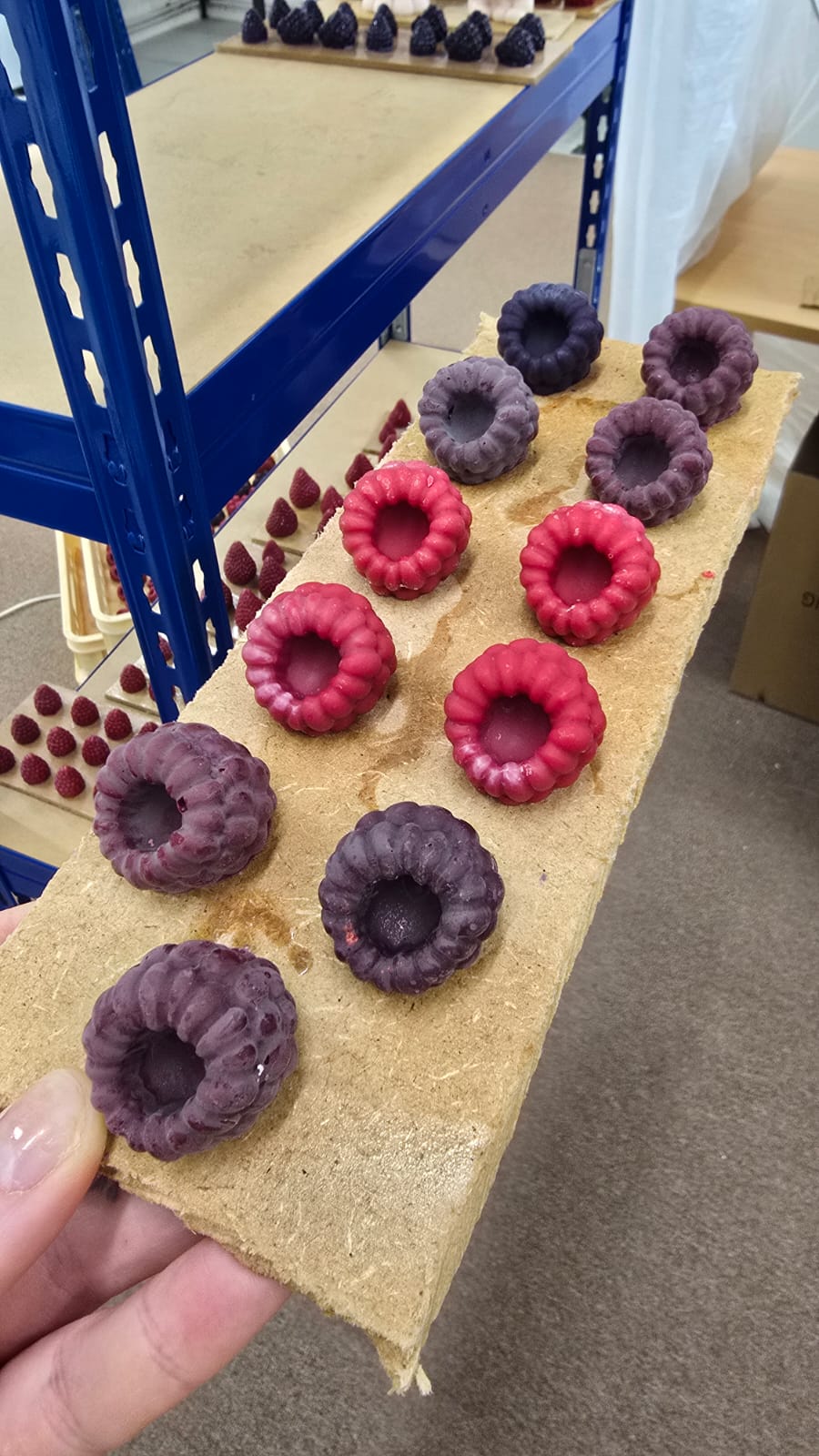
Before varnishing. Matte, slightly porous surface.
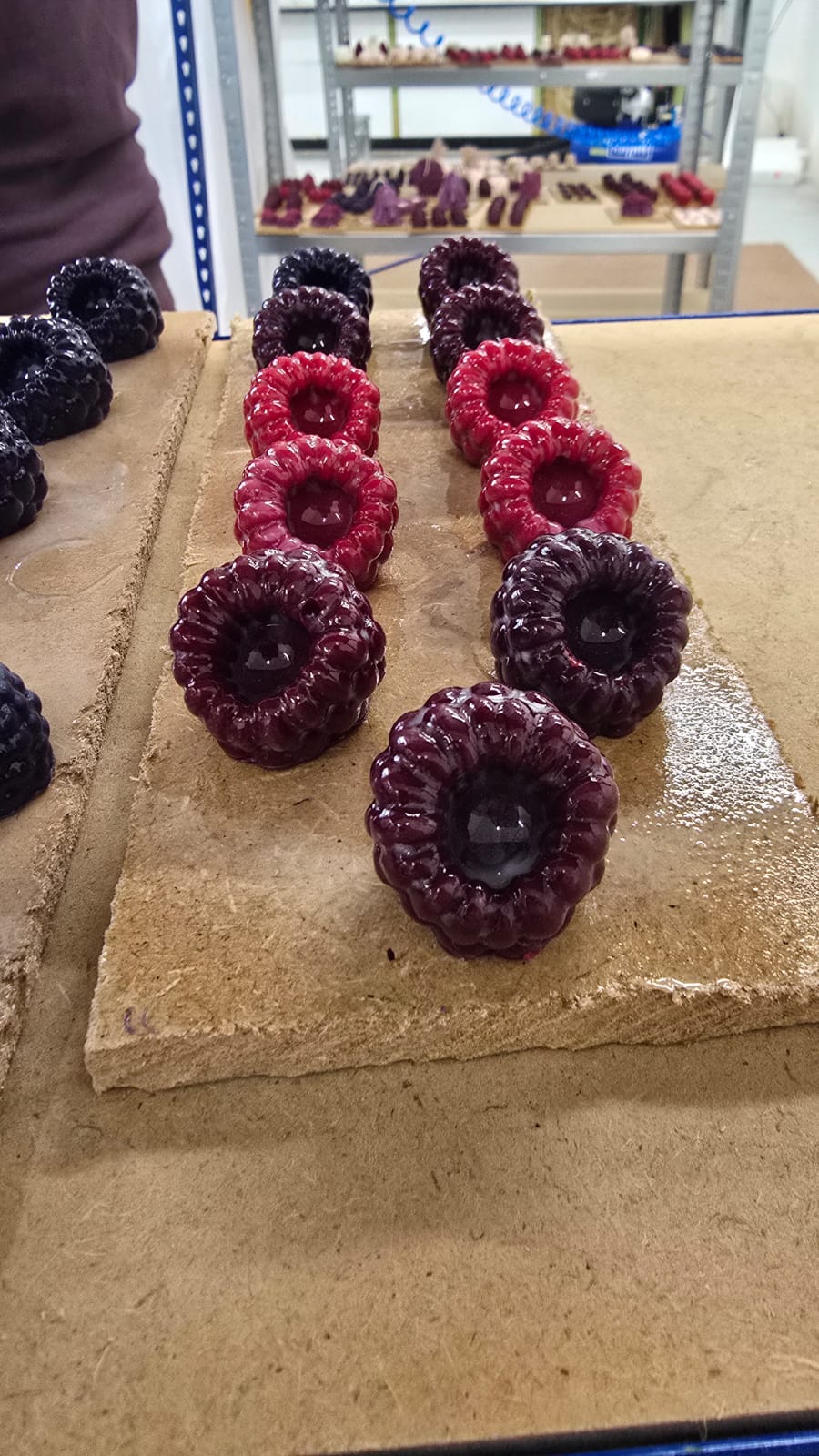
After varnishing. Smooth surface, gloss, resistance to fingerprints.
Type 2: Candle in a container — a two-phase process in 14 steps
The second main type is candles with a decorative container — wavy bowls, vases, sculpturally shaped bases. Here, the story splits. The container is a separate object that is created days before the wax is poured into it. And it is precisely how it is created that determines whether it will remain on the dresser for five years after the candle has burned out. It begins with a raw casting of material into a silicone mold. The material solidifies, the piece is removed, and every imperfection is sanded by hand — sometimes edge by edge, sometimes over the entire body. Sanding is a slow and laborious step that cannot be rushed without leaving microscopic imperfections visible after varnishing.
Then comes two-layer varnishing. The first layer is an acrylic base coat, applied with a professional spray gun in an isolated booth — no brush, no paintbrush. Spraying ensures that every fold and every wave receives an even film. The film does not peel off upon accidental impact, does not thicken when wiped with a damp cloth, and does not absorb a drop of water into the substrate, even if it sits there for half an hour. After the first layer dries, a second follows — a certified polyurethane varnish with UV protection, which finally seals the surface and provides it with durability. Here are the fourteen steps in the order they take place in the workshop:
- Casting the container. The material is poured into a silicone mold and gradually solidifies.
- Removal and hand sanding. Every imperfection is sanded by hand, piece by piece.
- Optional hand-painted ornaments. For selected models, colored lines or geometric motifs are applied with a fine brush.
- Preparation of the varnishing material.
- Acrylic base coat — first layer. Spray gun in an isolated booth, no brush or paintbrush.
- Drying between layers. In a dust-free isolated space.
- Second layer — certified polyurethane varnish. Material approved for children's contact — European certifications for surfaces in contact with children's toys and furniture.
- Second drying and surface inspection. Before the next step, each piece is inspected under light.
- Preparation of the wax mixture. Premium EU wax (coconut, coconut-apricot, or soy) is heated to pouring temperature.
- Addition of fragrance in line with the IFRA standard. Plus color according to the series.
- Gluing in an EU wick into the bottom of the container with precise centering.
- Pouring the wax in two phases. Two-phase pouring keeps the wick centered during solidification.
- Solidification over several hours. Gradual cooling, without acceleration, optionally leveling the top surface with a heat gun.
- Trimming the wick, quality control, and packaging. Final quality check before shipping.
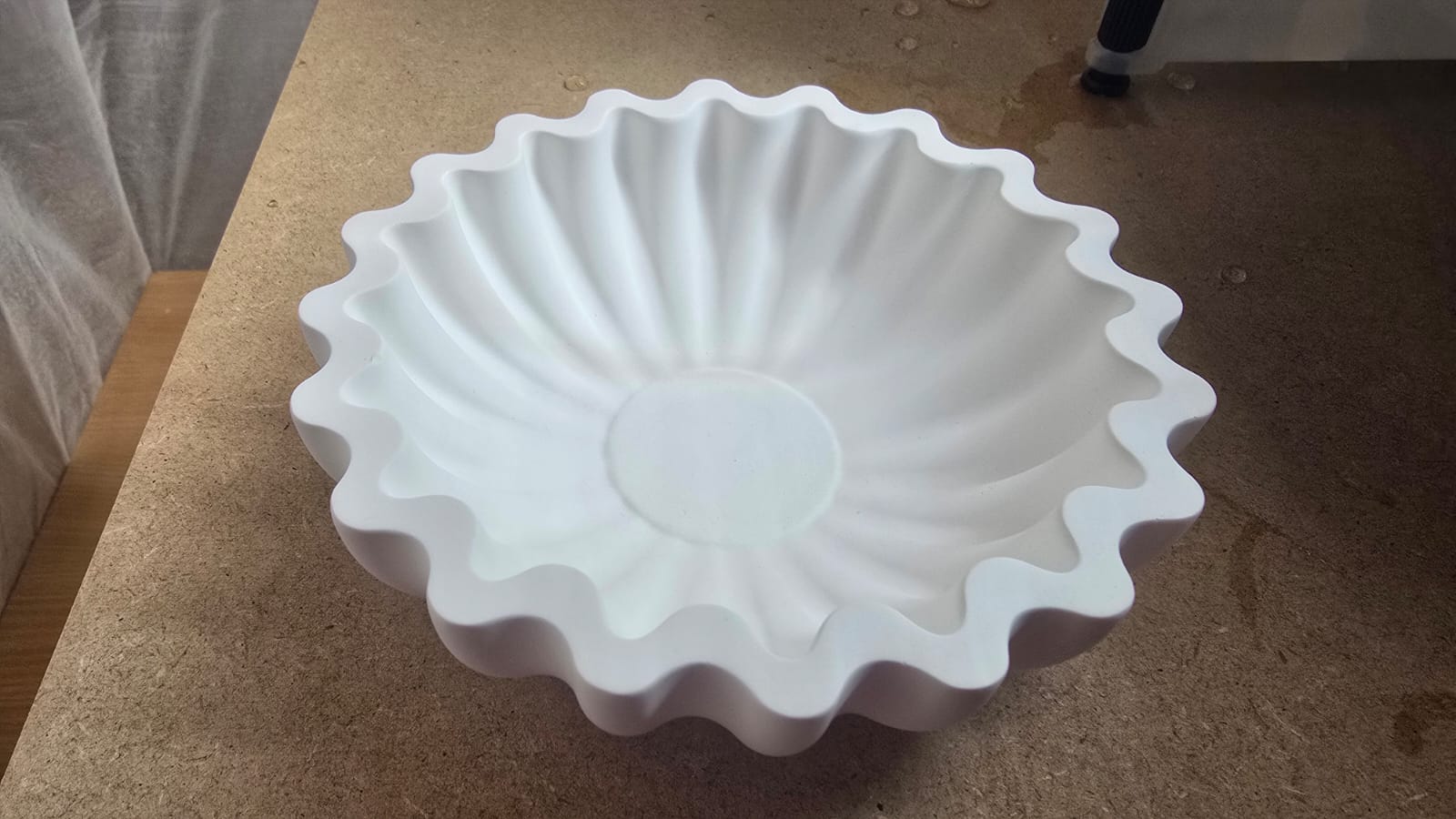
Step 1. Raw casting after removal from the mold.
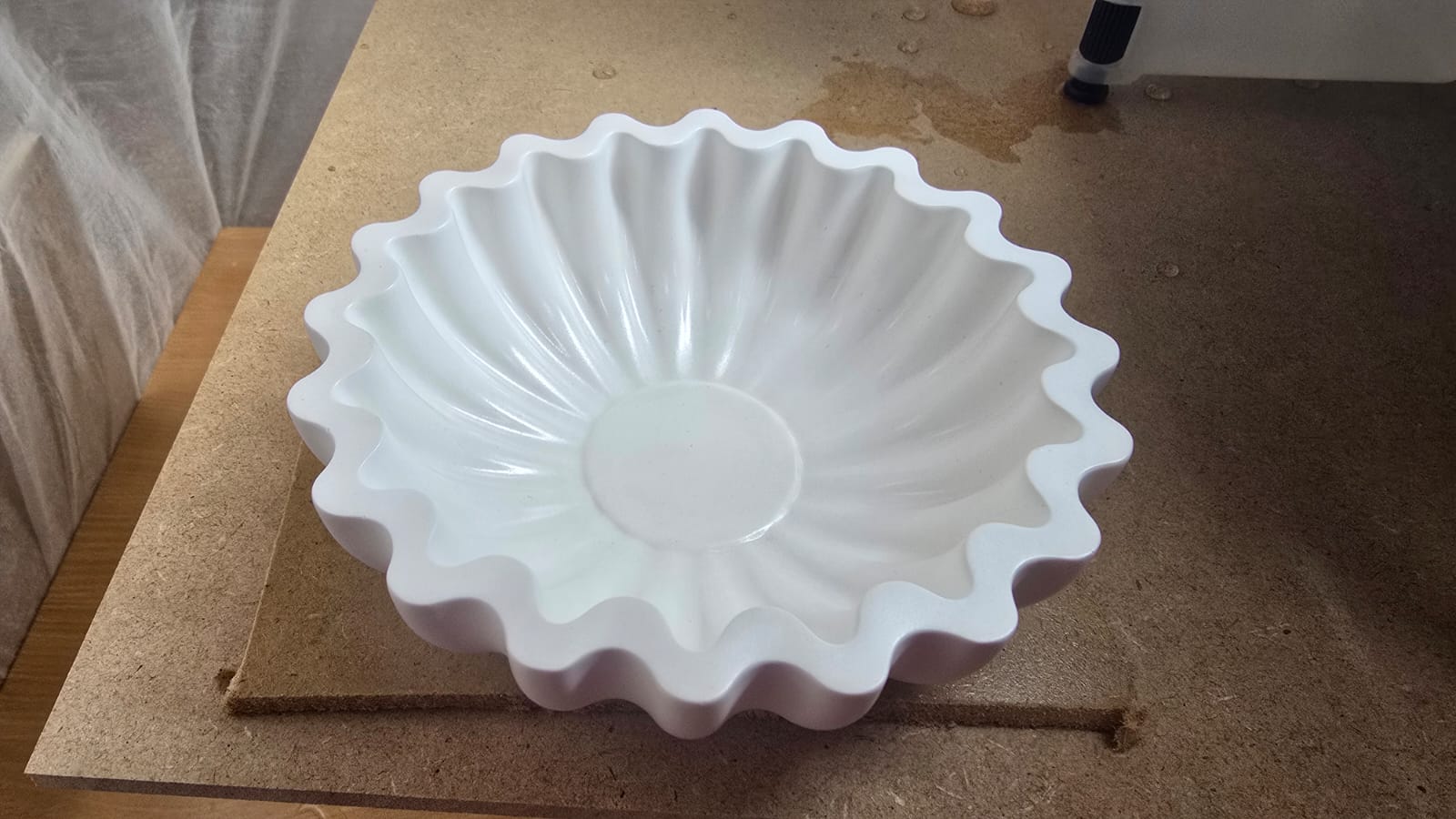
Step 2. After the acrylic layer.
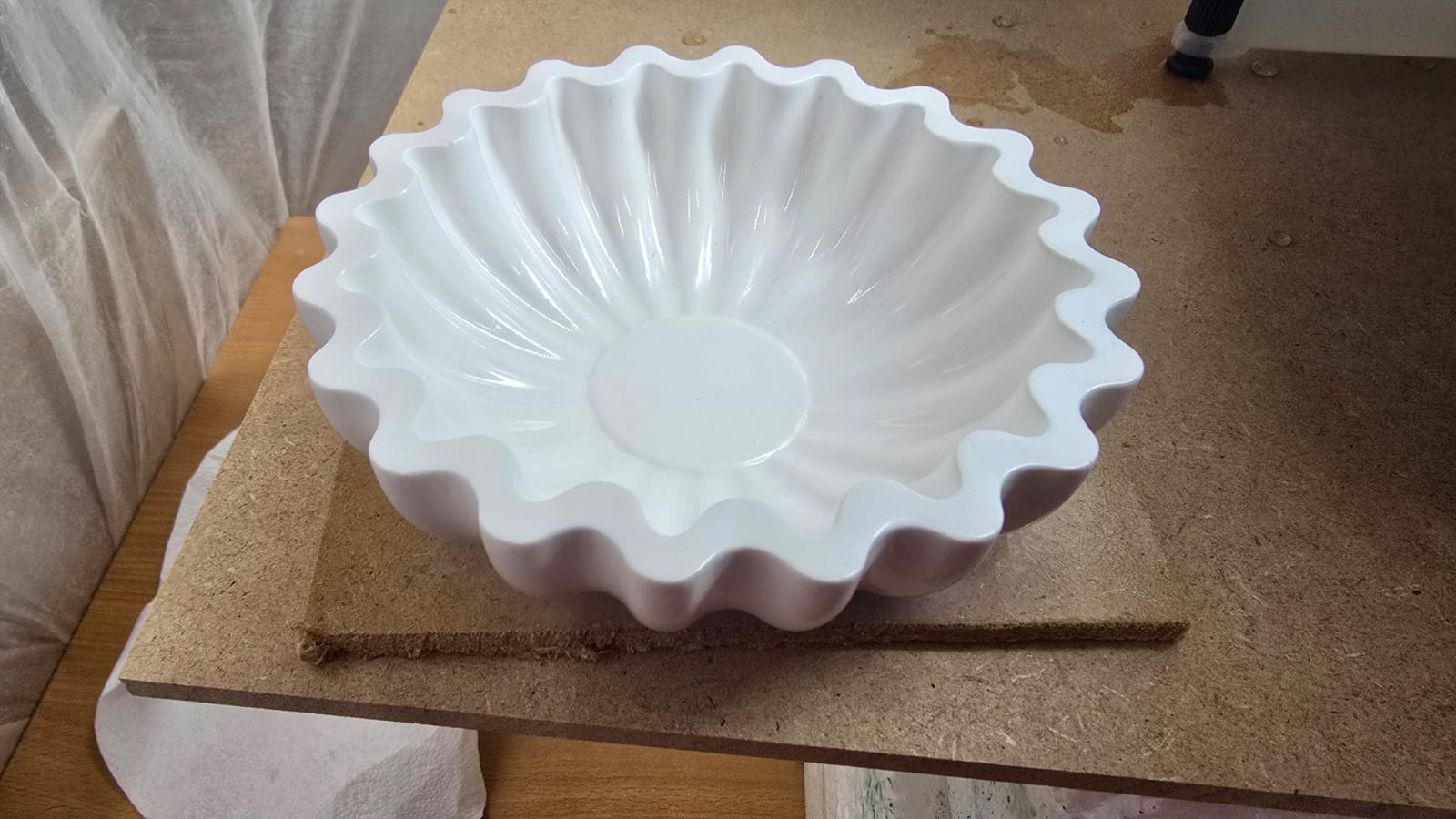
Step 3. Second layer with a certificate.
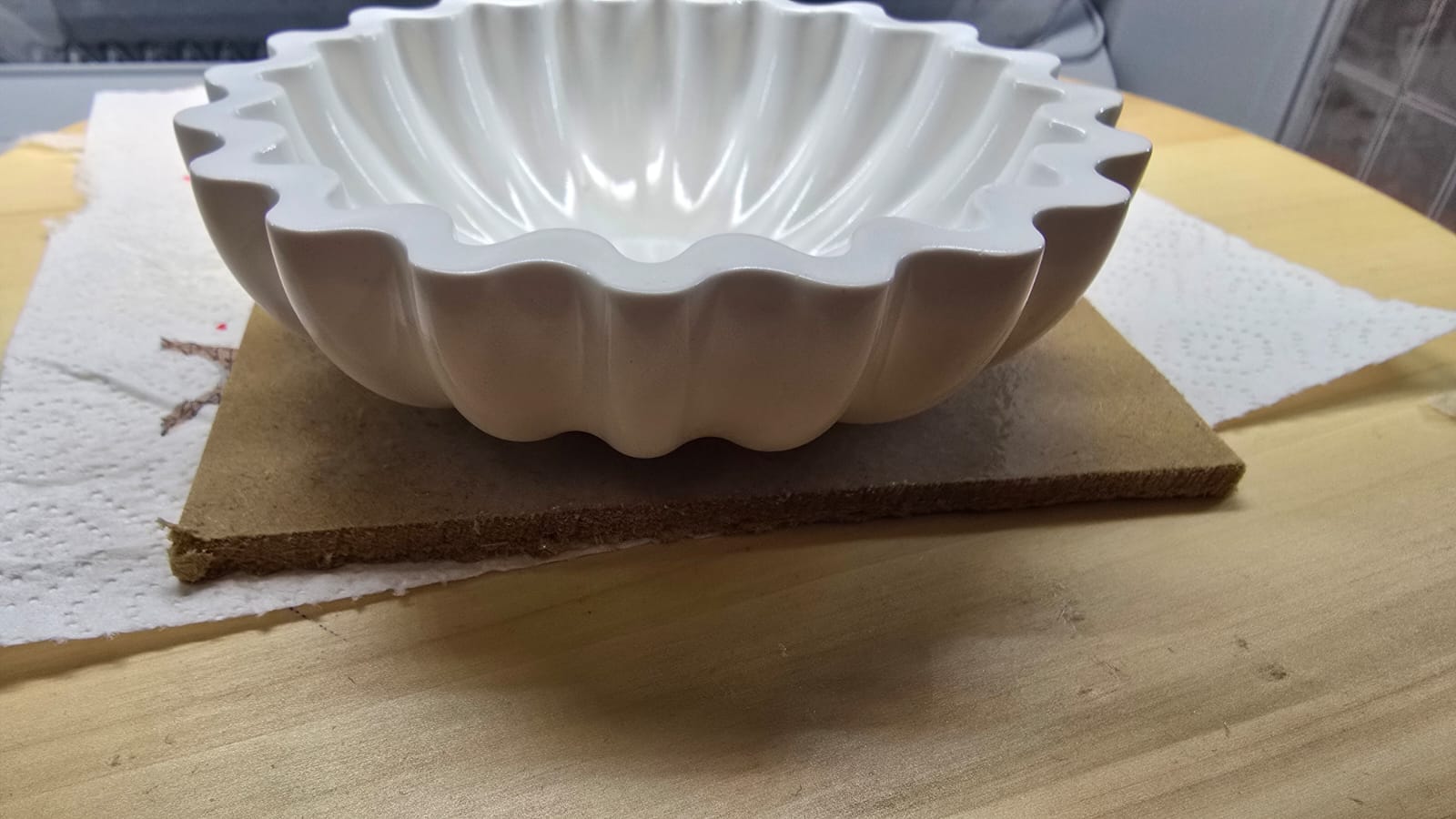
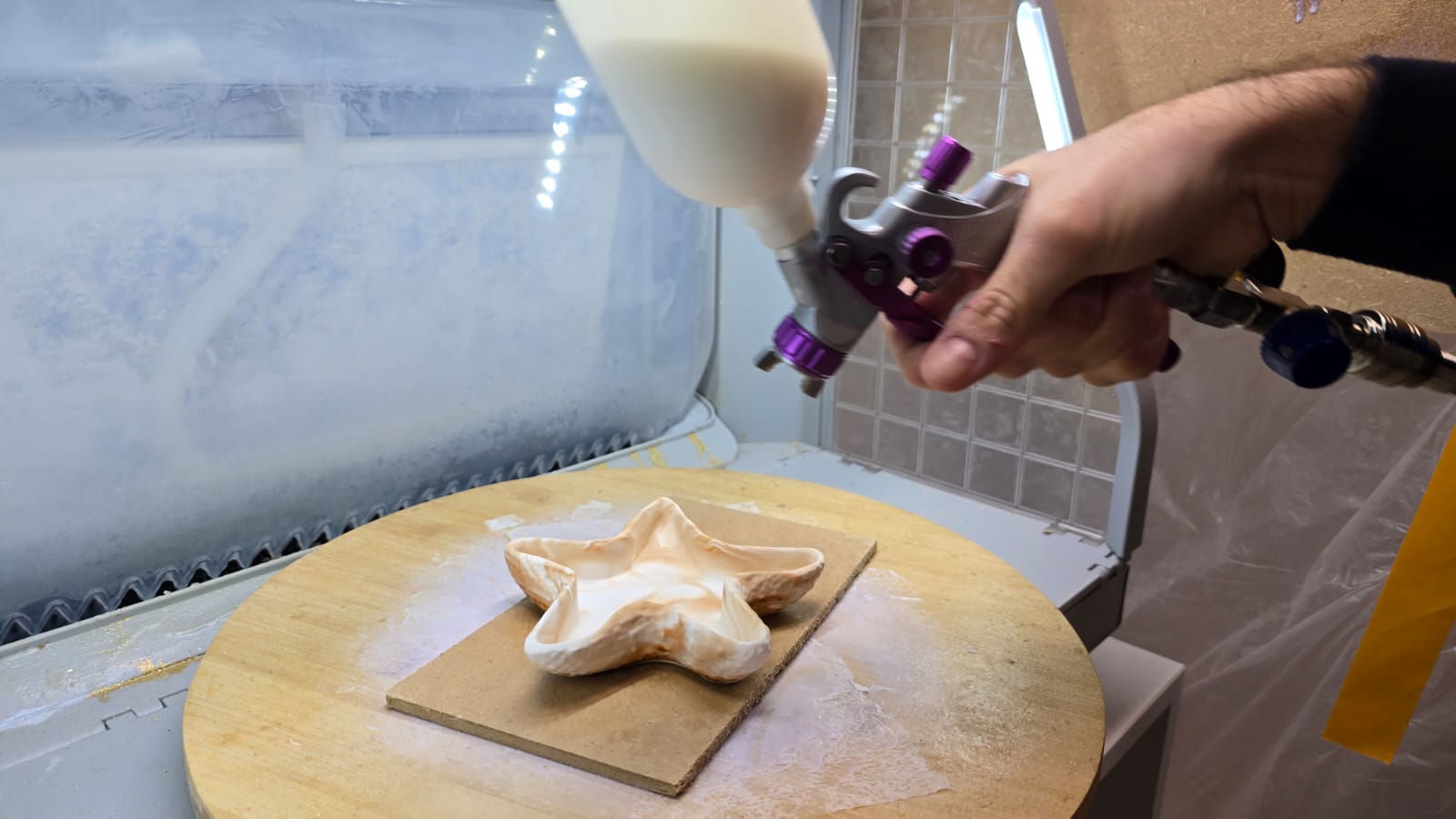
Fourteen steps for one candle in our vessel. Of that, pure human-time is two to four hours. The rest is drying, setting, cooling. Processes that cannot be rushed without losing quality. The same manufacturer on a mass production line would produce dozens of vessels in the same time. A hand workshop produces one — but one that passes each of the five practical tests listed at the end of the guide.
Hand painting: a detail that a machine cannot replicate
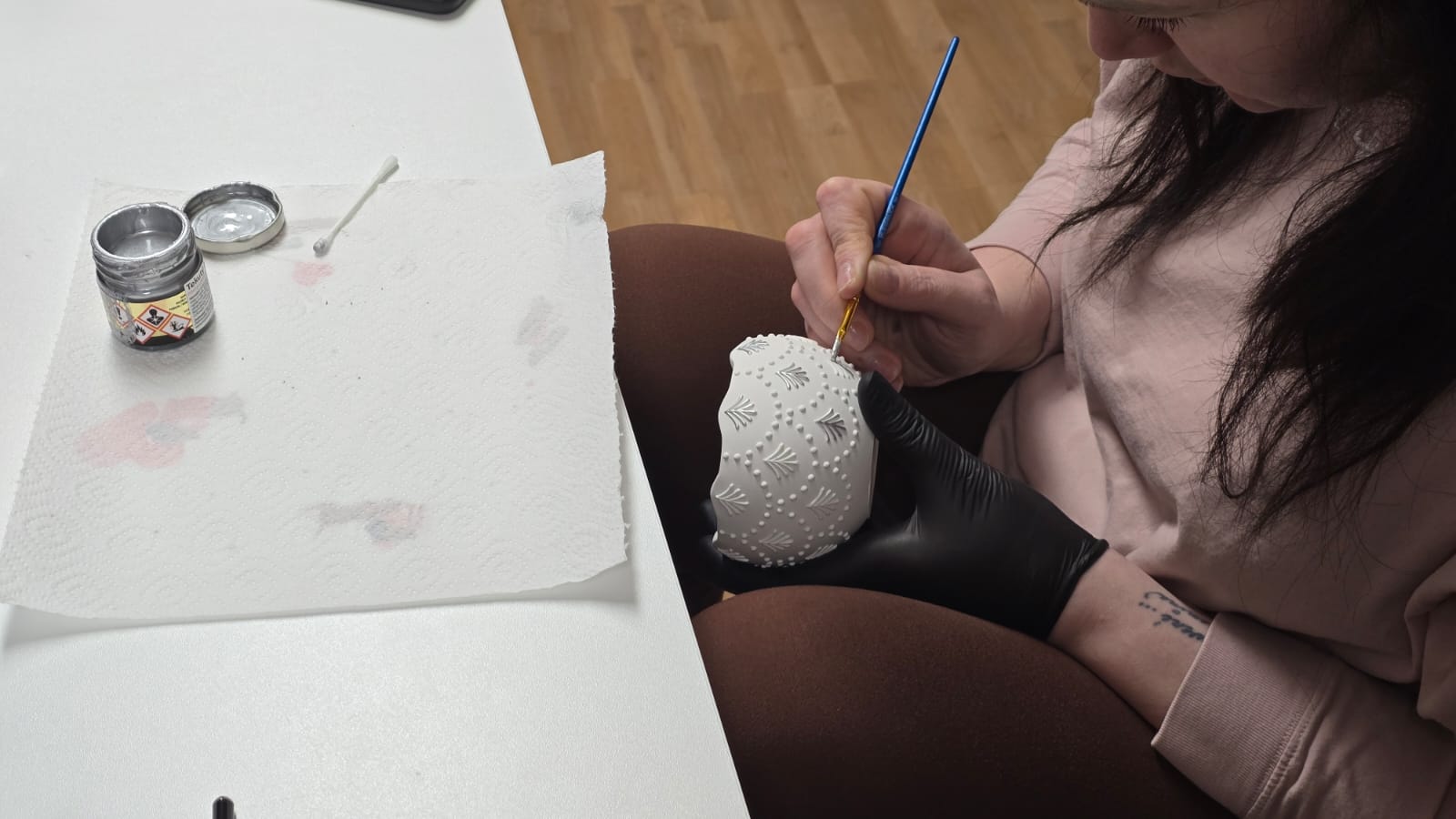
After sanding — regardless of whether it is a free-standing wax candle or a vessel — comes the phase that decides whether the piece will look like one of many or like an author's object. Selected models receive hand-painted decorations — silver ornaments on the edge, fine lines accentuating the shape of the vessel, more prominent motifs of leaves or geometric shapes. They are painted with a brush, freehand, without a stencil. One ornament takes minutes to tens of minutes, depending on the complexity of the motif and the size of the piece being decorated.
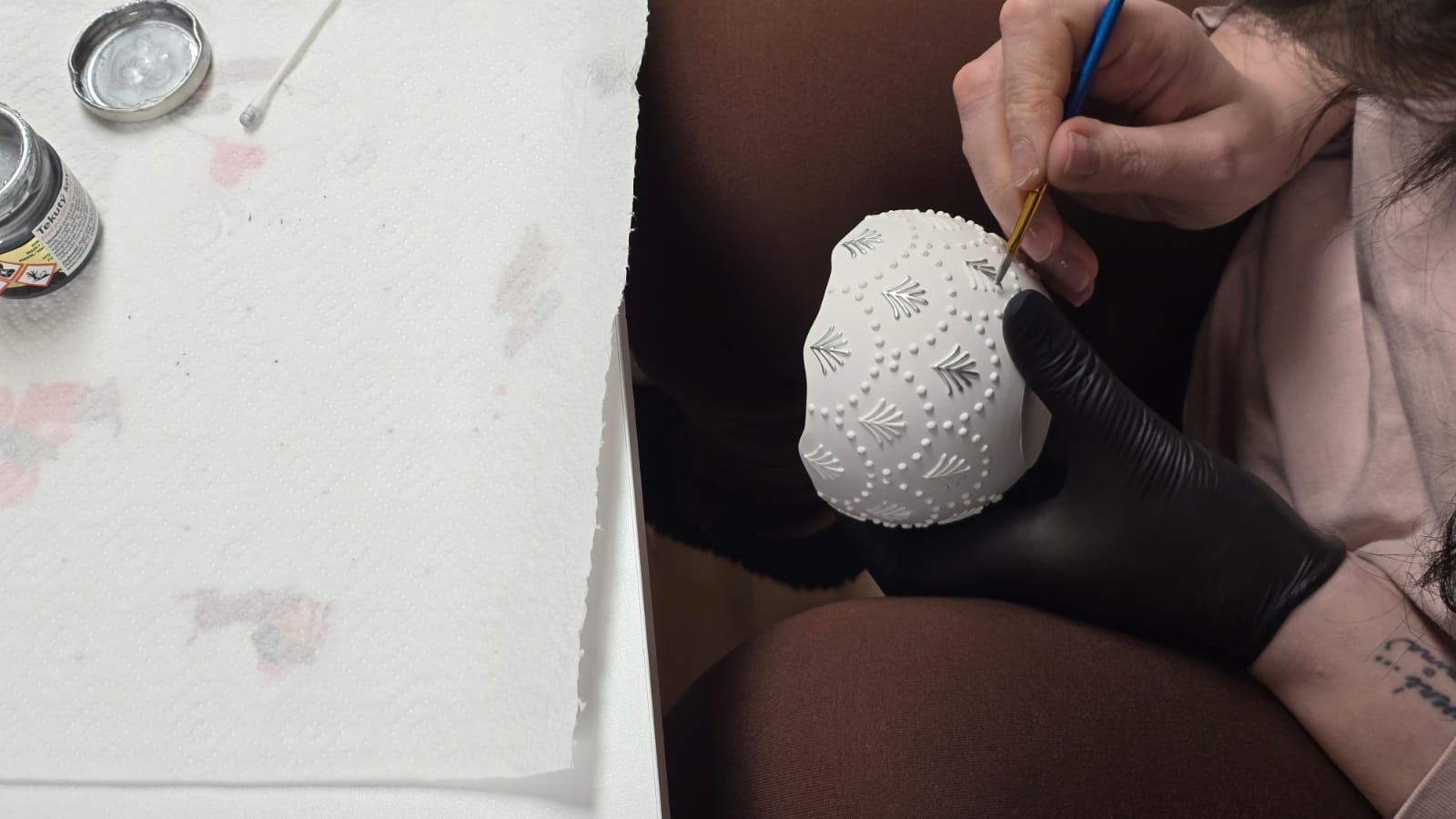
No two pieces are identical. If you place three candles from the same series next to each other, you will see differences — sometimes the line is thicker, sometimes thinner, sometimes slightly crooked. That is not a flaw. It is proof that the piece has passed through a human hand. In mass production, such details are made with decorative foil or digital print, applied to the surface like a sticker and disappearing at the first scratch from a fingernail or the first wash. A hand-painted ornament has the opposite property. It is layered under the varnish, so it becomes part of the surface and lasts for the entire life of the candle, even after the wax has burned down. When buying, you choose a specific piece — not a type. Each carries its own story, its own microscopic deviation that distinguishes it from others made in the workshop on the same day.
The same technology, different colors — brick and pink-white
The white vessel is just one of the color series. The same fourteen-step process is applied to alternative shades — brick matte and pink-white. Three phases in the same order: raw casting after removal from the mold, first acrylic layer, final second layer with certified polyurethane varnish. For the owner, this means that every vessel — regardless of color — has gone through an identical quality control path. The brick shade offers a warmer, earthier look that suits wooden furniture and rustic decor. The pink-white series is softer, more suitable for interiors with a pastel palette or for bedrooms. In both cases, the technological foundation is the same — only the color base added to the acrylic mixture before the first spraying changes.


Varnish certificates in practice
These are European approvals for the polyurethane varnish with UV protection used as the second layer on candles in containers. Specifically, they indicate that the material has passed tests for toxicology, substance migration, and saliva resistance — meaning it is approved for surfaces that a child might touch, lick, or slightly chew. For furniture and children's toys alike. Plastic that can lie on a child's bed set or a play mat — such a varnish has undergone different laboratory rounds than a varnish developed for exterior fences.
For families with children, this is not a marketing bonus. It is the reason why an empty container can stand on a nightstand in a child's room or on a table where a toddler plays. For other users, it means a different level of certainty — a varnish that has withstood stricter criteria than those required for ordinary furniture varnish will naturally also withstand everyday contact with fingers and wipes. In the candle industry, such a level of surface protection has no comparable precedent. Cheap candles use a varnish whose origin the manufacturer often does not even state and which, after a few months, begins to peel off the edges of the container or lose color in places where you regularly touch it. These approvals are not an administrative formality. They are a promise that the surface you once place on a dresser will remain in that state for years — and not just weeks.
Five practical differences you will see (and feel)
The summary looks like this. A candle that has gone through all the steps described above brings five specific consequences that do not appear in the mass-produced variant. None of them is a marketing claim. Each is measurable either by time, intensity, or the state of the surface after a certain period of use.
- Even burning without soot. A denser vegetable wax and an EU wick without paraffin impregnation mean the flame is even, yellow with a golden edge, and without a smoke trail.
- A fragrance that fills the room. A higher concentration and perfume compositions from the EU in line with the IFRA standard will fill an average living room in ten to fifteen minutes and linger in fabrics until the next day. A cheap candle in the same room needs an hour and even then remains intense only within a meter of the flame.
- A surface that lasts a year on the shelf. Freestanding candles protected by a candle-certified varnish do not retain fingerprints and do not stick together during storage. Containers protected by a two-layer system with certificates do not peel or become rough when wiped with a damp cloth.
- A container as decoration after burning. A wavy bowl becomes a jewelry stand, a vase gets dried flowers, and a sculpturally shaped object remains on the dresser.
- No black smoke or residue. No black smoke, no residue on the container or in the surroundings. For people with sensitive breathing, this is the difference between a candle that needs to be lit with an open window and a candle that naturally fits into any room.
Conclusion: why sometimes cheaper is not better
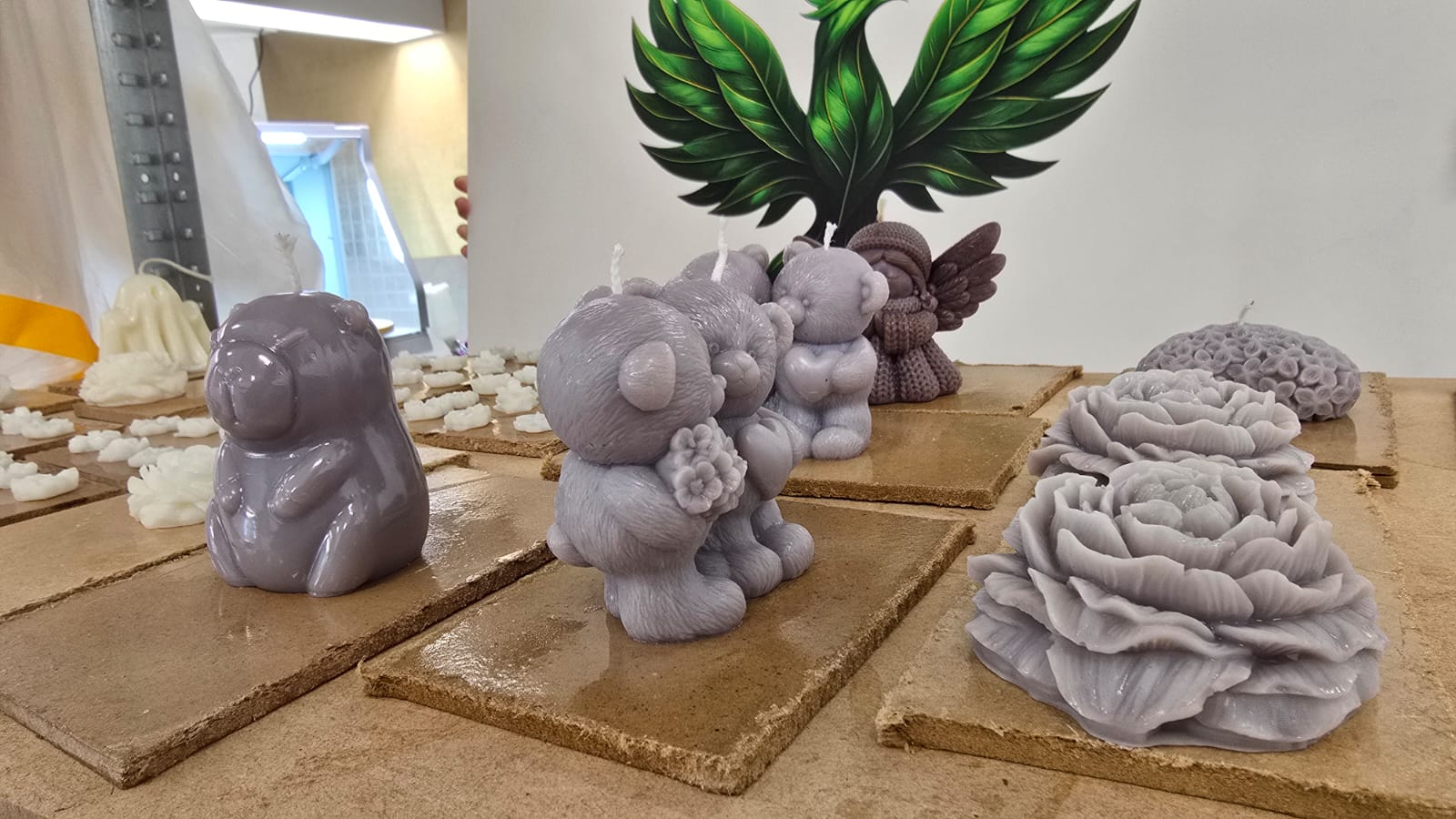
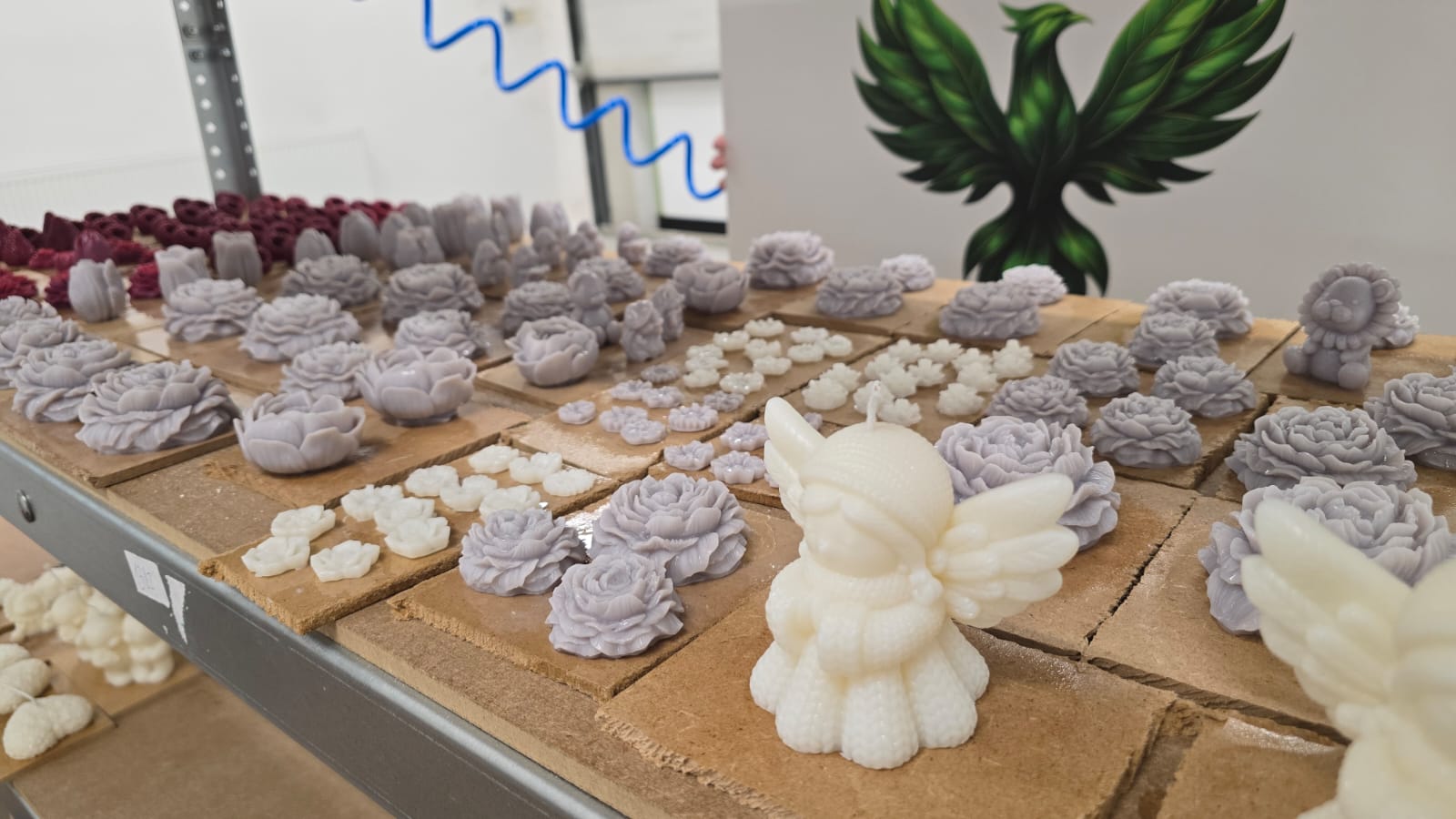
A handcrafted candle is not an impulse purchase. It is an object made with a different logic, according to different rules, and with a different intention — a freestanding candle is coated with a certified special varnish directly for candles, a candle in a container goes through a two-layer process with certificates for child contact. Both processes take days and lead to an object that lives with you for years even after the wax has burned out. Browse the collection of candles from NOBAMO and choose the shape, scent, and piece that appeals to you.

Mother of two daughters, wife of Roman and the heart of our creative studio. Besides writing blogs, she dedicates herself daily to the handmade production of candles and decorative containers — she knows the materials, knows what lasts and what simply delights the home. She looks at jewelry, watches and fashion accessories from real family practice: what serves, what endures and what truly brings joy.
All articles by author
 Container Candles
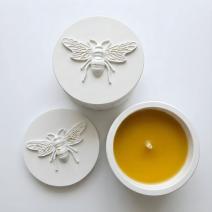
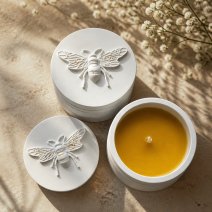
Bee Candle - White
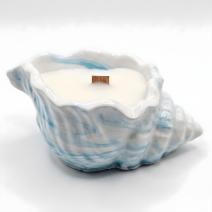
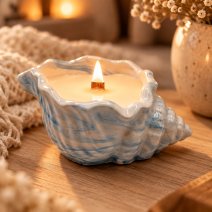
Candle Wave - Blue / Vanilla
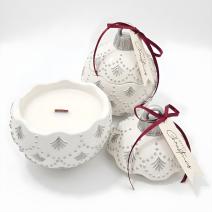
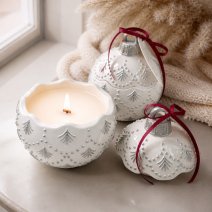
Christmas Bauble Enchanted Candle - White / Silver / Winter Magic
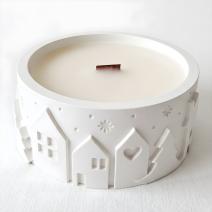
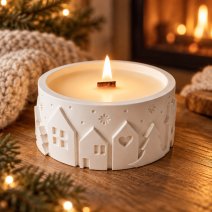
Winter Landscape Candle - White / Milk, Honey
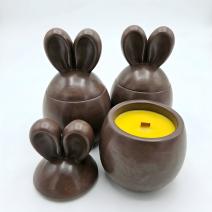
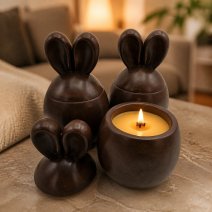
Choco Crumb Candle - Brown / Vanilla
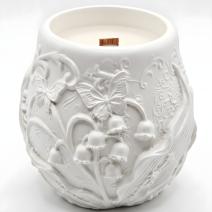
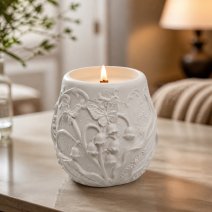
Convallaria Candle - White / Milk, Honey
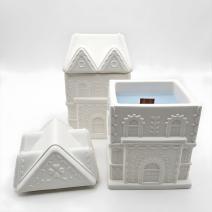
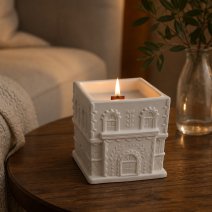
Scented Candle Medium House - White / Blue / Cotton
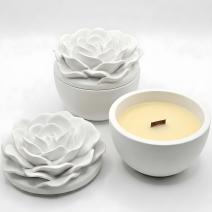
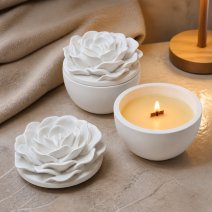
Candle Little Rose - White/Lime, Mango
Satin Poppy Candle - White / Pink / Cherry, Almond



Comments
Add comment
Login required
To add a comment, you must log in to your account.
Don't have an account? Register