
Handmade candles as a gift
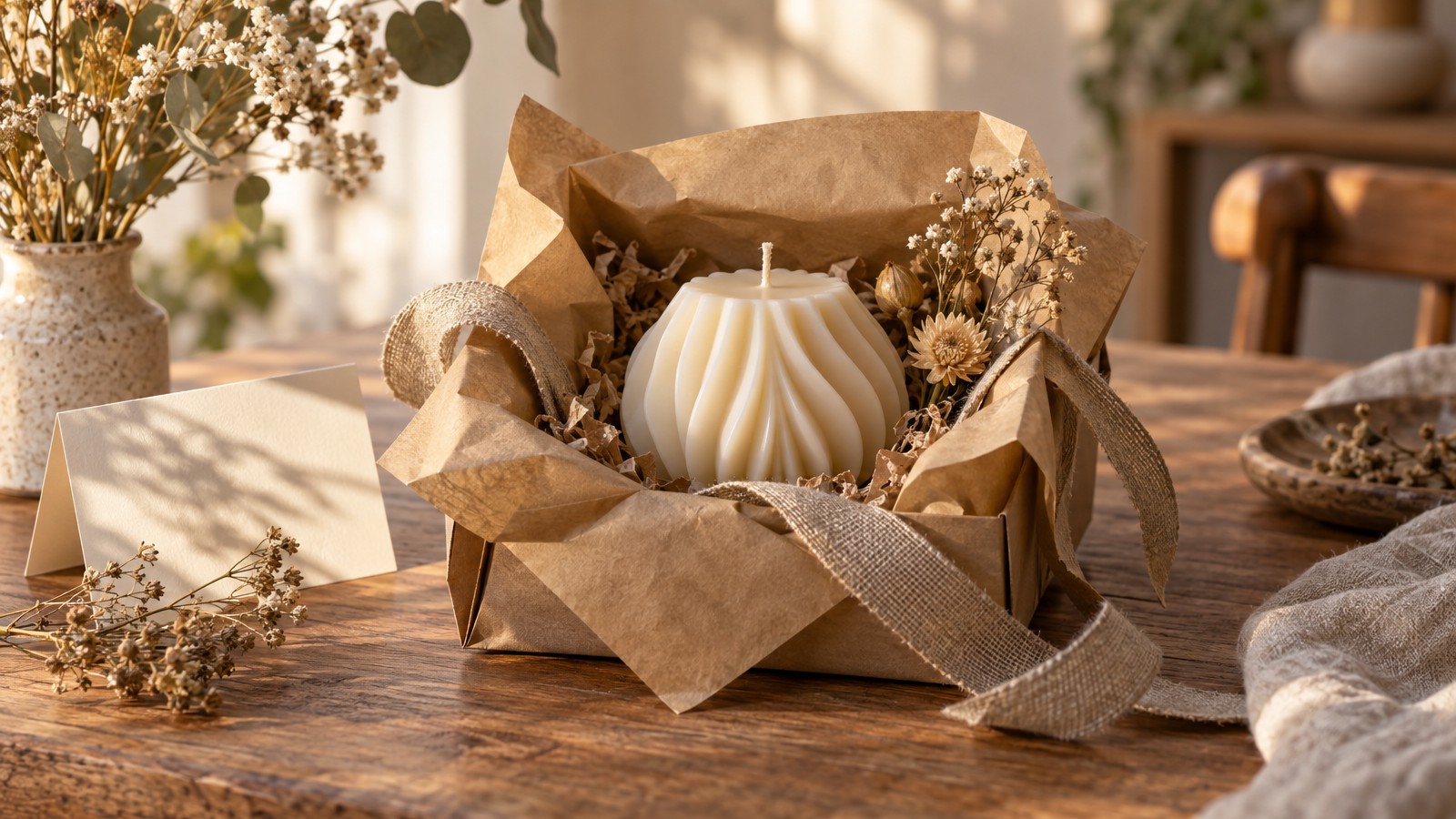
The best gifts are revealed by the hand before the eyes. You haven't even peeled off the ribbon yet, and through the paper you already feel the weight — something substantial, something that doesn't ring hollow. With the first fold, a scent rises, not sharp, not chemical, but rather one that feels like entering a strange, warm room. And then the object is finally in your palm. The surface is smooth, satiny, cool to the touch, and immediately after, pleasantly firm. You turn it over, and the edge has a tiny irregularity — the ornamental line is a hair's breadth thicker on one side. That's not a flaw. That's a signature. It all happens in three seconds, without a single word — and it is in those three seconds that it is decided whether you have given an object or an experience. The difference cannot be captured in a photo from an e-shop. You feel it only when you hold the finished piece in your hand.
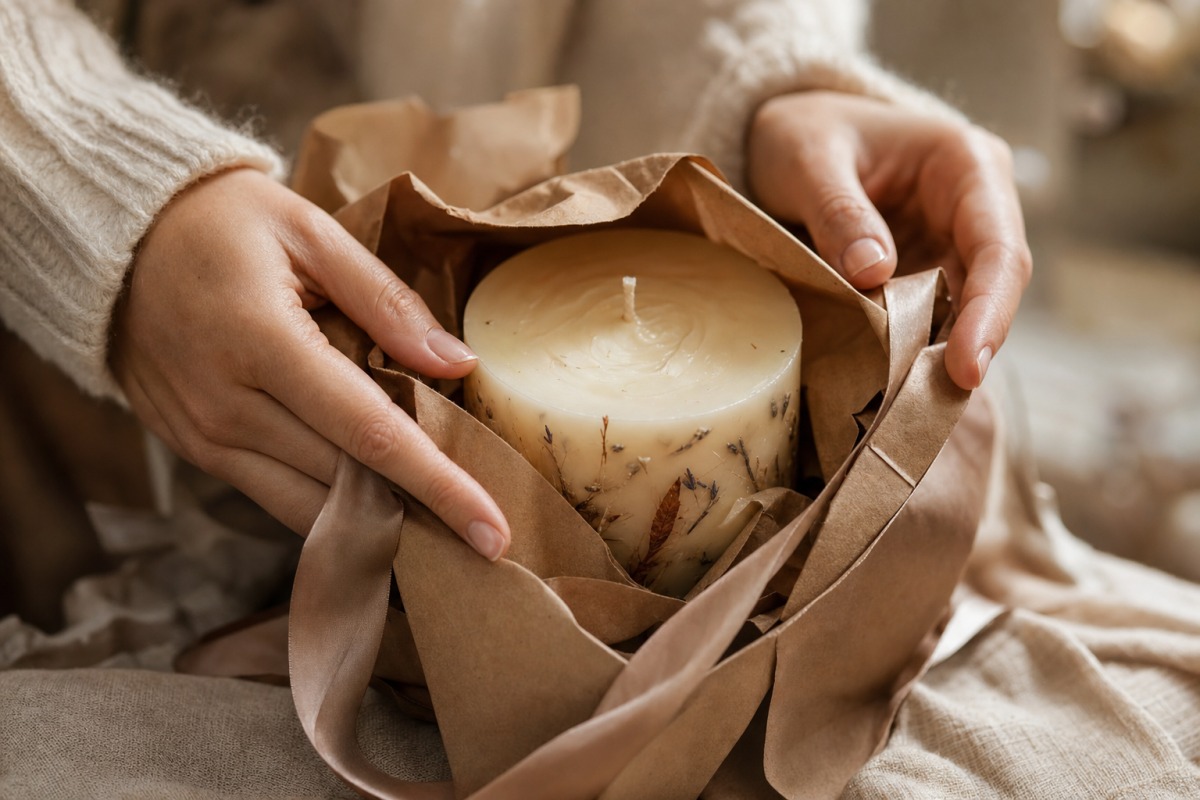
Personal, not mass-produced — every piece passed through one hand
A gift from a large production line has one quality that the recipient subconsciously feels: it is interchangeable. Thousands of identical pieces, one like the next, made by a machine that knows neither the sender nor the receiver. A handcrafted candle stands at the opposite end. Every piece has passed through the hands of a single artisan — from inserting the wick into the silicone mold, through pouring the wax and trimming the bottom edge, to the final varnishing and inspection under light. A person, not a conveyor belt.
You see the consequence when you place three pieces from the same series side by side. In one place, the hand-painted line is a hair's breadth thicker, in another thinner, the color has a deeper shade. These minor differences are not production defects. They are the mark of a hand. In mass production, the ornament is handled with a decorative foil or print that is stuck onto the surface and disappears at the first scratch from a fingernail. A hand-painted decoration is layered under the varnish — it becomes part of the surface and lasts for the entire life of the candle. When you give such a piece, the recipient does not receive "one of the candles." They receive this very one — a specific piece that was created on one day, by one hand, and no other in the world is exactly the same.
A gift that doesn't end up in a drawer
Most gifted items share the same fate. They end up in a drawer, on a shelf in the closet, in a box labeled "it'll come in handy someday." An extra mug, another scarf, a decoration that doesn't match anything. The recipient smiles, thanks you — and the item disappears from sight by the next day. It's not ingratitude. It's practical logic: what is not used and does not decorate, gets in the way. A decorative trinket without function ends up in a box; a practical item without beauty is used but never pleases the eye. Most gifts fall into one of these two traps — and the recipient knows it before they even finish unwrapping.
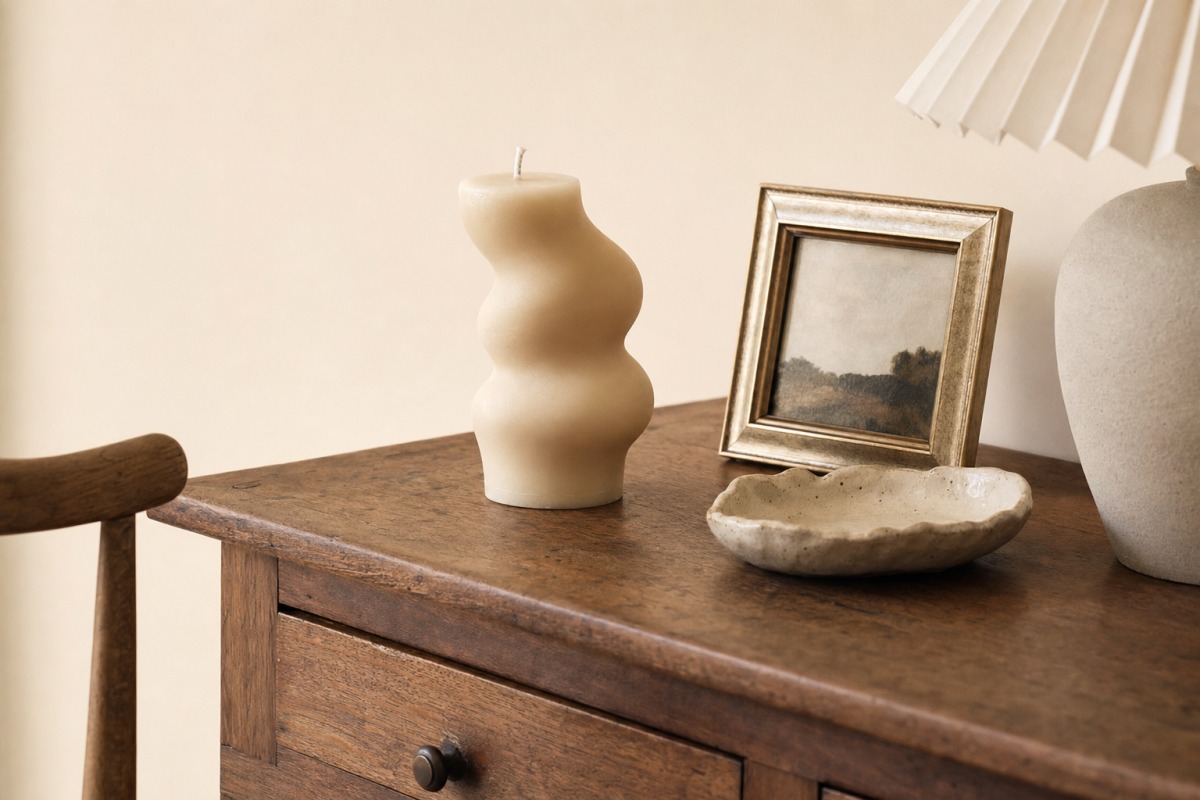
A handcrafted candle has the opposite quality because it works on two levels at once. While standing, it is a decoration — an object that adorns a dresser, a windowsill, a nightstand: the shape of a raspberry, a lotus, a flower, or a sculpturally shaped vessel. When lit, it is an experience — a scent, warm light, an evening that slows down. The recipient doesn't have to choose between "pretty" and "useful." They receive an object that decorates when it sleeps and makes the evening warmer when it burns. It is precisely this duality that is the reason a candle survives even in households where every other purchased item becomes a burden.
Longevity
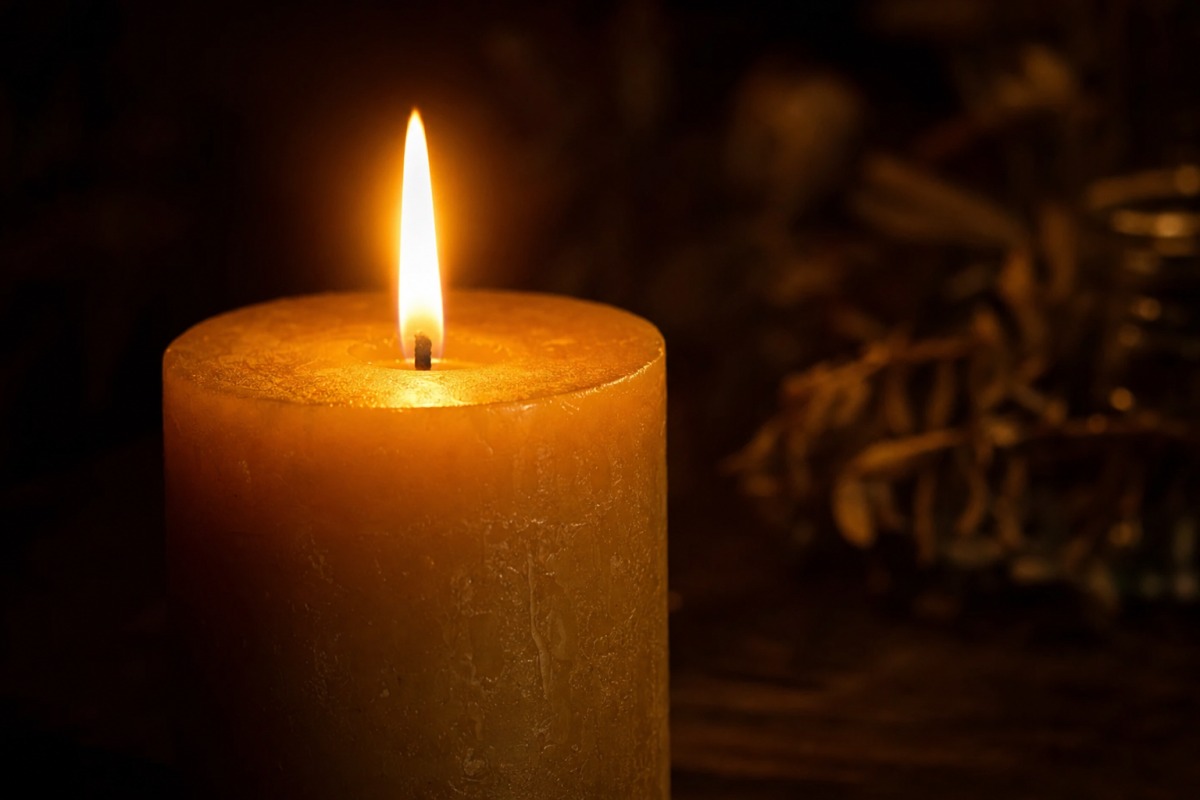
Flowers wilt in a week. Chocolate disappears in an evening. A bottle of wine is drunk and the packaging ends up in the trash. A large part of gifts have a built-in expiration date, and that date is near. A handcrafted candle made from natural wax is at the opposite end of the scale — it lasts for weeks, sometimes months of regular burning.
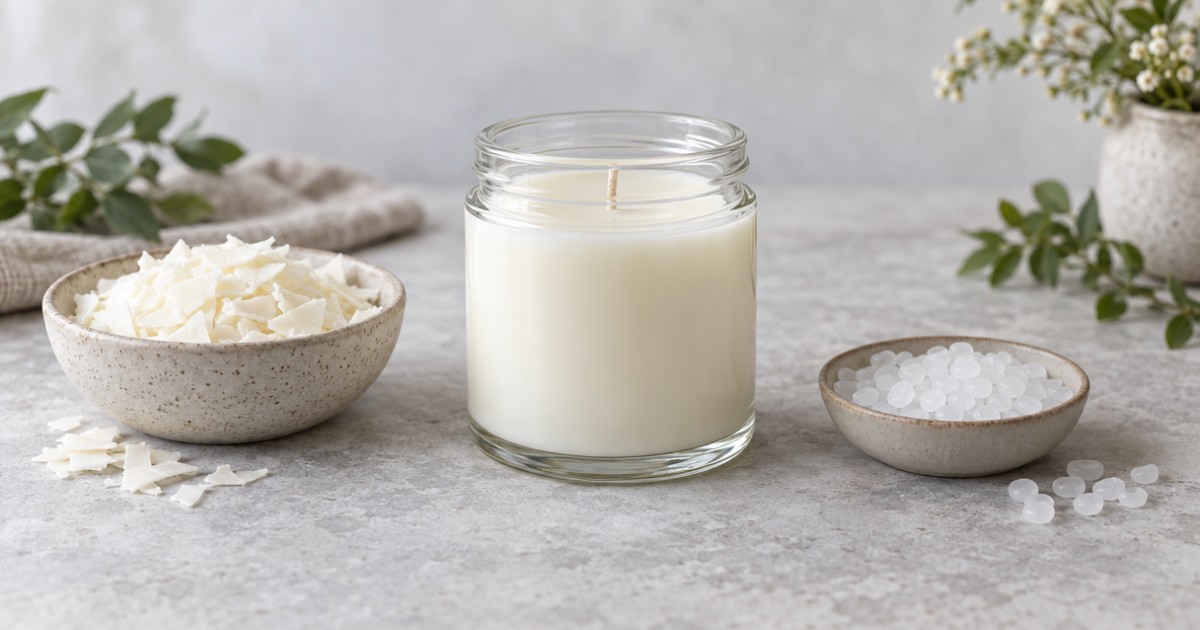
The cheapest candles are poured from paraffin, a petroleum derivative that, when burning, deposits traces of unburned smoke on ceilings and curtains. Vegetable wax — coconut, coconut-apricot blend, or soy, all originating from the European Union — has a denser, firmer, less porous structure. It melts layer by layer downwards, and the wick receives a more even fuel supply. A cheap item wears out quickly and the recipient forgets about it. A candle that lasts for months reminds them of itself with every dinner — and with it, the memory of the person who gave it.
The sensory experience begins with unwrapping
A good gift makes an impression even before it is used. With a handcrafted candle, the sensory experience is triggered the moment the wrapping paper disappears. First, touch — the cool, smooth surface sealed with certified varnish designed specifically for candles, which protects the wax from fingerprints and gives it a satin sheen. Then, weight — the full mass of wax, which feels heavier in the hand than the recipient expects. And finally, the scent, which emanates even from a cold candle.
The difference in scent cannot be seen through glass. You feel it immediately upon lighting. The scent doesn't wait for the wax to heat up — it arrives with the flame and lingers in the room for an hour after extinguishing, in fabrics until the next day. A cheap candle in the same room needs an hour to even make itself known, and even then, it only smells within a meter of the flame. A mass-produced item from a shelf is exactly what it looked like in the picture — no further layers. A handcrafted candle, on the other hand, has a depth that reveals itself gradually: first upon unwrapping, then upon the first lighting, and finally for hours afterward. Behind this scent are exclusively perfume compositions tested according to the IFRA standard — the international safety norm for fragrance substances. The wick receives the same attention: cheap ones are often soaked in an unidentified mixture and, when burning, release a thin wisp of black smoke, while in the workshop, European wicks made from pure cotton without paraffin impregnation are used, with a narrow metal base that keeps the flame stable even at the last centimeter of wax.
It Remains a Decoration Even After Burning
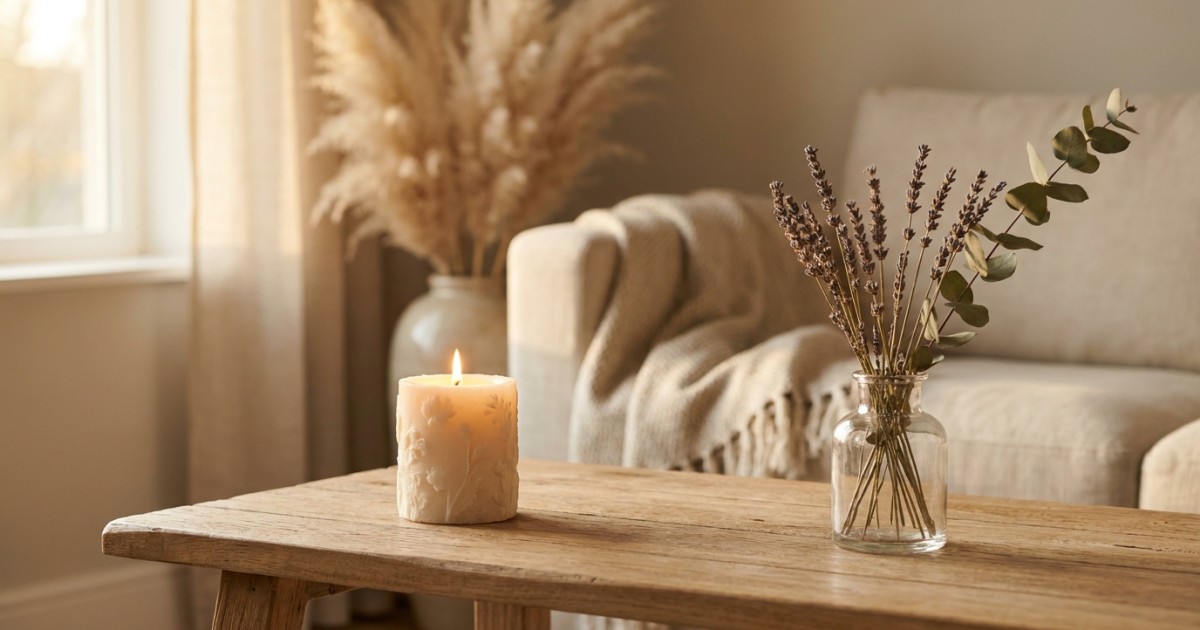
This is where a handmade candle diverges most sharply from ordinary consumer goods. A free-standing wax candle is made entirely of wax, cast into a shape that stands on its own on the table, and even after the wick burns out, the surface, protected by a lacquer, remains smooth, glossy, and resistant to fingerprints.
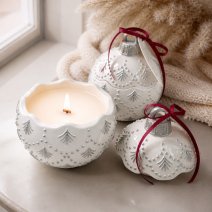
With candles in decorative containers, this effect is even stronger, because the container is a separate product with its own life. After burning, a wavy bowl becomes a jewelry stand, a vase gets dried flowers, a sculptural base remains on the dresser as decoration. The container undergoes a two-layer lacquering process, the final layer of which is a certified polyurethane lacquer with UV protection — approved even for surfaces in contact with children's toys and furniture. So an empty container can safely stand on a nightstand in a child's room. You are thus giving two items in one: a few weeks of fragrance and flame — and then years of quiet presence in the interior.
You Give a Piece of Local Craftsmanship
When you buy a mass-produced item, the money flows into an anonymous chain and its trace is lost. When you give a handmade candle, you are giving something created in a small workshop in Slovakia — in a process that cannot be rushed. A free-standing candle goes through the workshop in one to two working days and nine main steps. A candle in a container needs two to three days and fourteen steps, because the separate container with its two-layer lacquering is made first. Of that, the pure human-hours are a few; the rest is drying, setting, and cooling — processes that cannot be bypassed without a loss of quality. If the wax cools too quickly, cracks appear on the surface; if the lacquer is applied to a damp base, it becomes cloudy. That is why the workshop respects the time the material demands, instead of compressing it under the pressure of orders.
This is a detail that cannot be rushed. The same maker, in that time on a mass-production line, would produce dozens of pieces; the hand workshop makes one — but one that will last for years. For the recipient, this means they are not getting a product from a warehouse, but the result of someone's time and skill. And during a shared dinner by a lit candle, the answer to the question "and where did you get that?" is something other than the name of a chain. It is the story of a workshop, natural materials, and honest handwork — a value that has no price tag. A cheap item has no such story. That is precisely why it feels like a thing — and a candle feels like a gesture.
Occasions Where a Candle Fits Perfectly
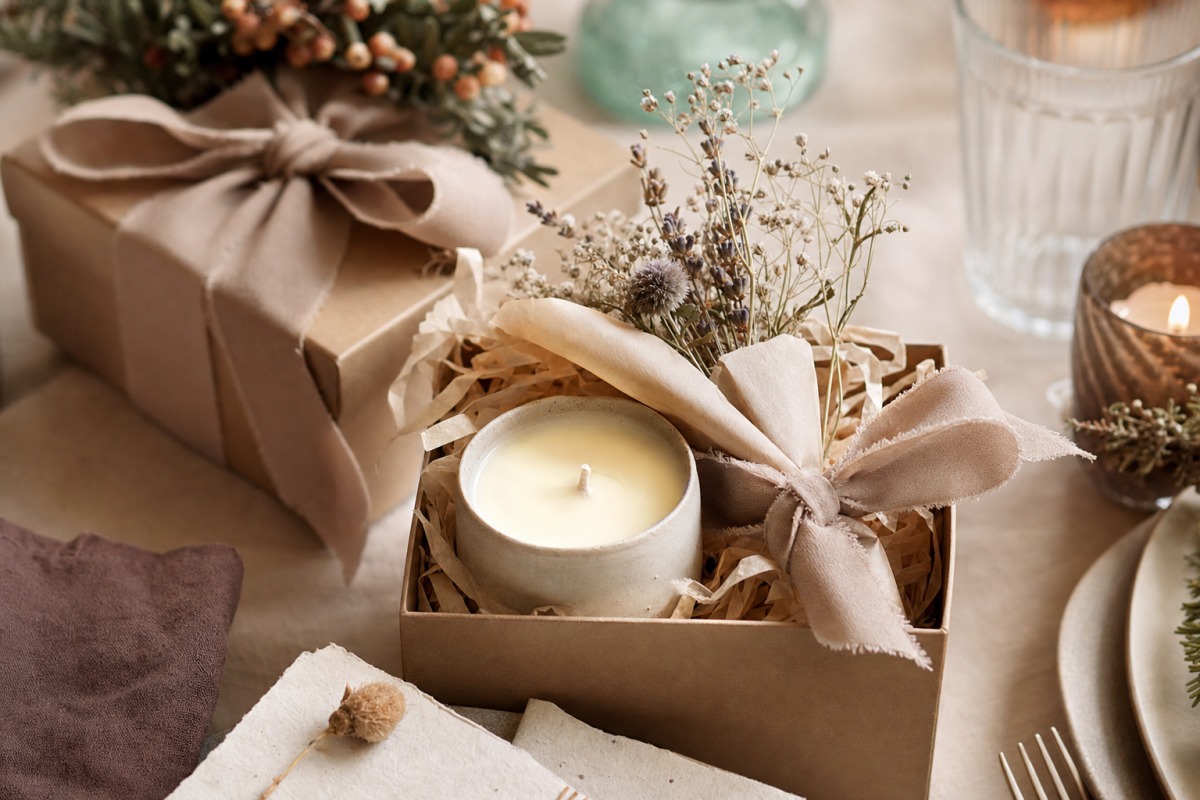
A handmade candle is not a "gift for everyone" — quite the opposite, it excels at specific moments where symbolism makes sense. For a housewarming, it literally lights up a new home and fits better than yet another kitchen gadget; it becomes the first item the owner places on a freshly furnished dresser. For an anniversary, it works as a quiet counterpoint to routine — an object that is lit together evening after evening and remains on the nightstand even a year after it has burned out. As a thank you — to a colleague, neighbor, teacher — it feels personal without being too intimate a gift.
And for Christmas, it replaces the fifteenth identical gift basket with something that will actually be used, and remains long after the tree has been taken down. When choosing, just consider the space where the candle will burn: a gentler fragrance suits a small bedroom, while a more intense composition fills a living room with an open space. Decorative shapes — a flower, an animal silhouette, a sculptural object — function as miniature works of art even before the first lighting, so the gift impresses from the moment it is unwrapped. No kitsch, no universal compromise. A specific piece for a specific person.
A handmade candle is neither an impulse purchase nor a filler under the tree. It is an object made with a different logic — personal, because it passed through one pair of hands; practical, because it is used and decorates at the same time; durable, because it remains a decoration even after burning. You are thus giving a piece of local craftsmanship and a story that the recipient feels from the first touch. Browse the collection of candles from NOBAMO and choose the shape, fragrance, and piece that will delight the very person you have in mind.

Founder and owner of e-shops, father of two daughters and husband of Majka. Enthusiast for quality items with a well-thought-out story — from jewelry and watches to fashion accessories. He runs his stores with the same care he devotes to his family: he selects brands and products that he would buy for his loved ones. He regularly writes about how to choose a piece that will last for years.
All articles by author
 Container Candles
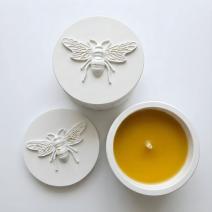
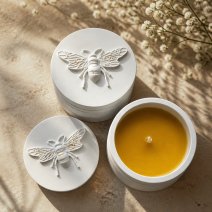
Bee Candle - White
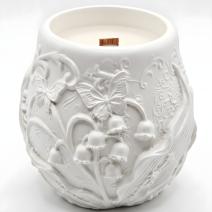
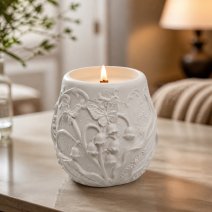
Convallaria Candle - White / Milk, Honey
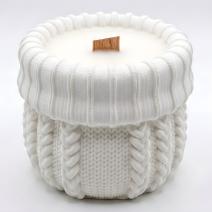
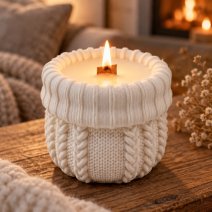
Svetrík Candle - White / Wild Plum, Rose, Patchouli
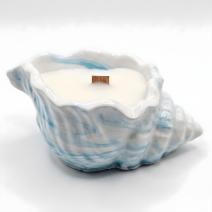
Candle Wave - Blue / Vanilla
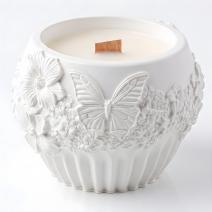
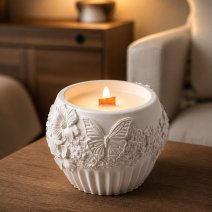
Candle Meadow - White / Cherry, Almond
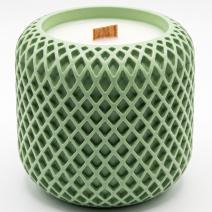
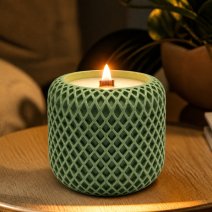
Candle Mosaic - Green / White / Wild Plum, Rose, Patchouli
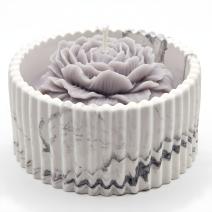
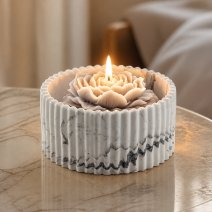
Carrara Candle - Peony / White / Silver / Lime, Mango
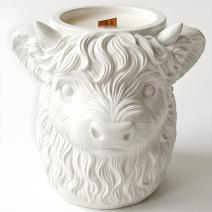
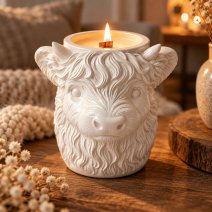
Highland Cow Candle - White / Vanilla
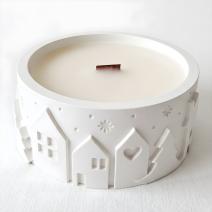
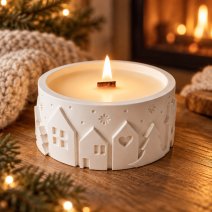
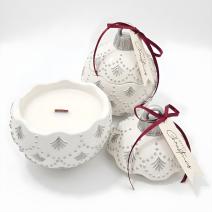
Winter Landscape Candle - White / Milk, Honey




Comments
Add comment
Login required
To add a comment, you must log in to your account.
Don't have an account? Register