
Natural Wax vs. Paraffin — Why Make the Switch
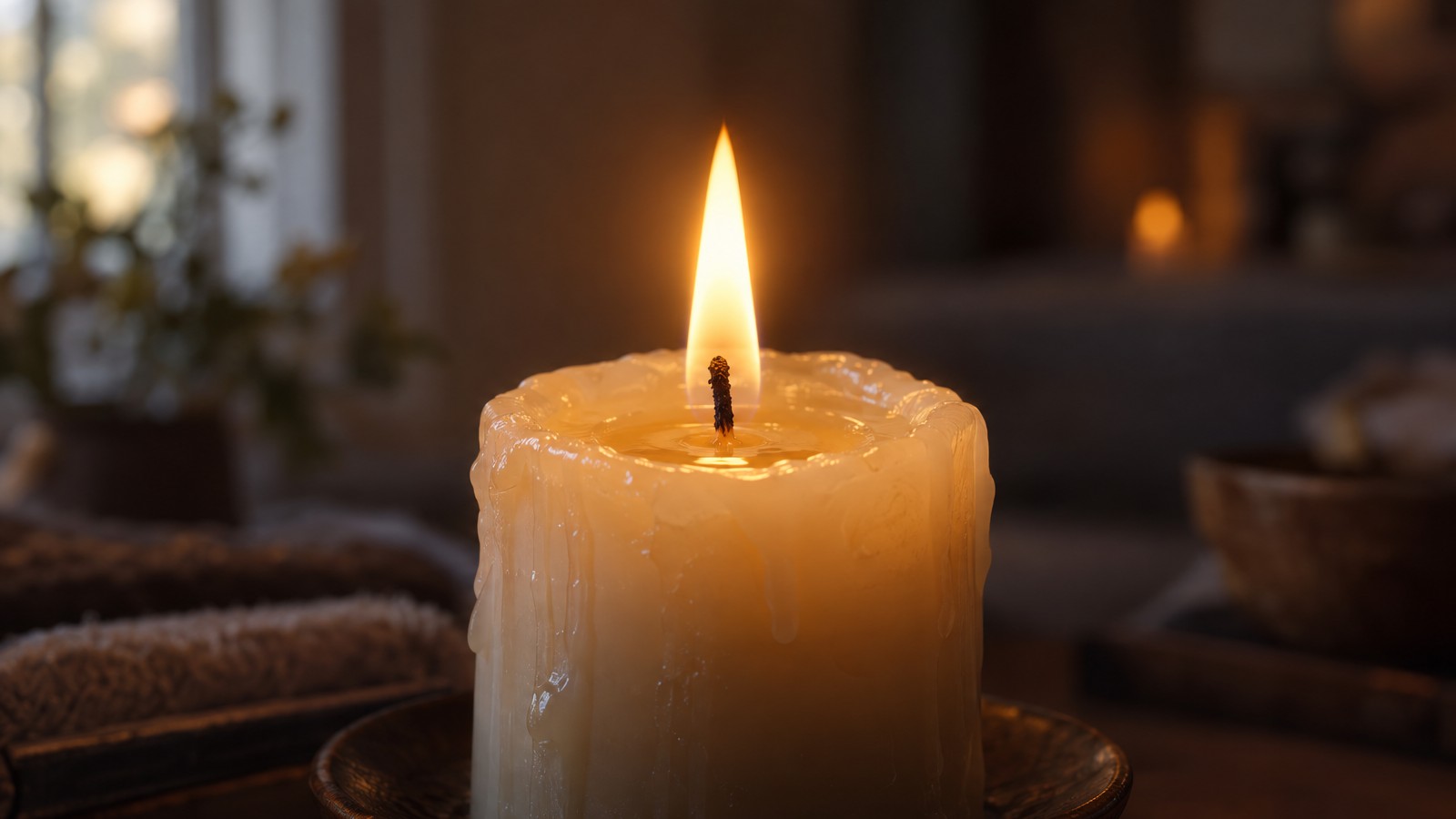
Shine a light on the ceiling above where a cheap candle stood for a year. You will see a faint grayish shadow — a thin layer of soot that settled there without you noticing. That is the signature of paraffin. It is not dramatic, it does not show itself after one evening or one week. It shows itself slowly — in the curtains, on the wall behind the shelf, in how the air feels heavier after a few hours of burning. The difference between a paraffin and a natural candle cannot be captured in a photograph. Both look the same while burning. You feel it only afterward: in the cleanliness of the air, in how long the scent lingers, and in what the flame leaves behind. And once you understand what is happening in that pool of melted wax, it is hard to go back.

What is paraffin and what rises from it into the air
The cheapest wax in the world is paraffin. It is a solid hydrocarbon — a byproduct of refineries, left over after distilling crude oil. It is produced in tons, melts quickly, accepts color and fragrance without resistance, and a candle made from it costs a few euros. That is precisely why the vast majority of candles on supermarket shelves are made from it. From a production standpoint, it makes perfect sense: cheap, available, predictable.
The problem is not the price. The problem is what happens when you light such wax. When burning, paraffin releases traces of unburned hydrocarbon smoke — including toluene and benzene, substances you do not want to breathe in a closed bedroom. It produces more soot, which slowly settles on ceilings, curtains, and furniture within the flame's radius. You will not see it after one evening. After six months of regular burning, you will — on the white ceiling above the candle's favorite spot. Paraffin does not burn badly. It only burns dirtier than you realize when you buy it.
Natural wax: a plant instead of petroleum
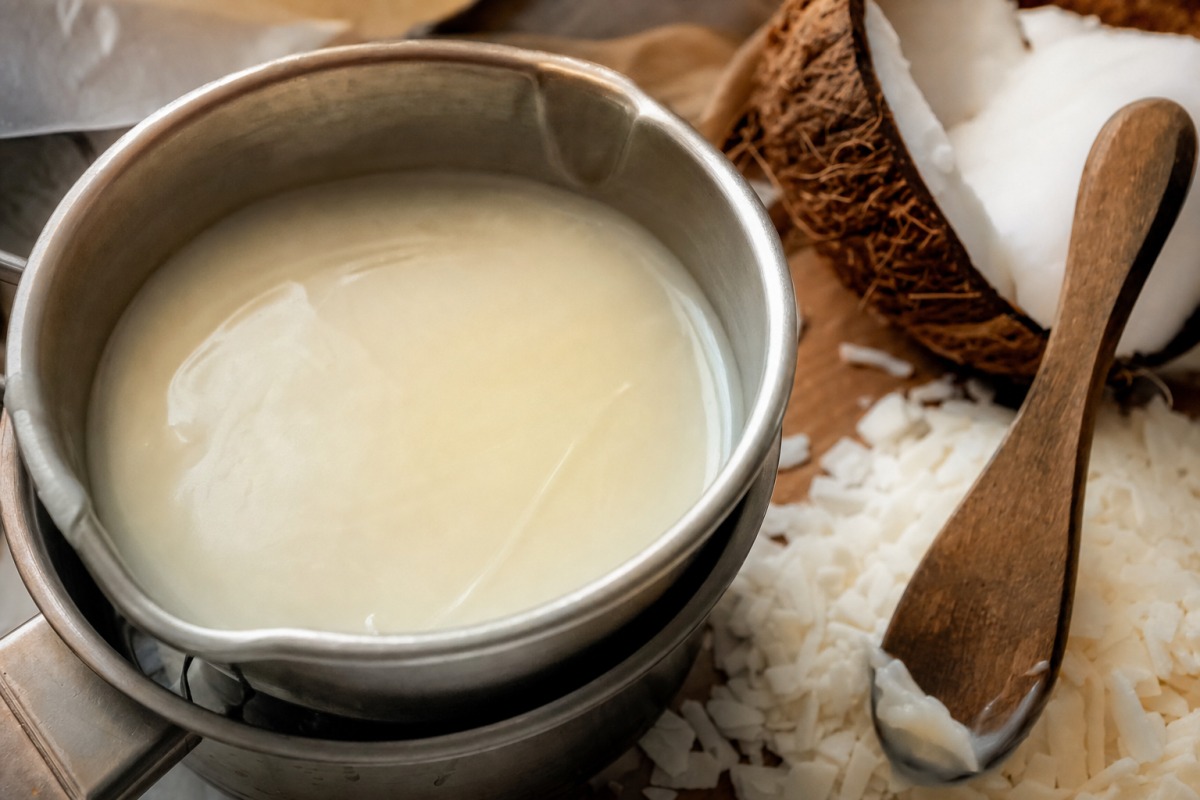
The other path begins in a field, not on an oil rig. Natural waxes — soy, coconut, rapeseed, and beeswax — are not obtained from petroleum but from crops and the work of bees. You do not have to choose between atmosphere and clean air. With natural wax, that choice does not exist.
The difference is felt immediately in your hand. High-quality plant wax is denser, firmer, and less porous than paraffin of the same size. When you light it, it does not form a pool in a few minutes — it melts slowly, layer by layer, downward, as the flame gradually descends into the candle. This slow, controlled melting is not an aesthetic detail. It is the entire reason why a natural candle works differently — and better — than its petroleum counterpart.
Four natural waxes and how they differ
"Natural wax" is not a single raw material. It is four different materials, each with its own character, and an honest workshop chooses them based on what the candle is meant to do.
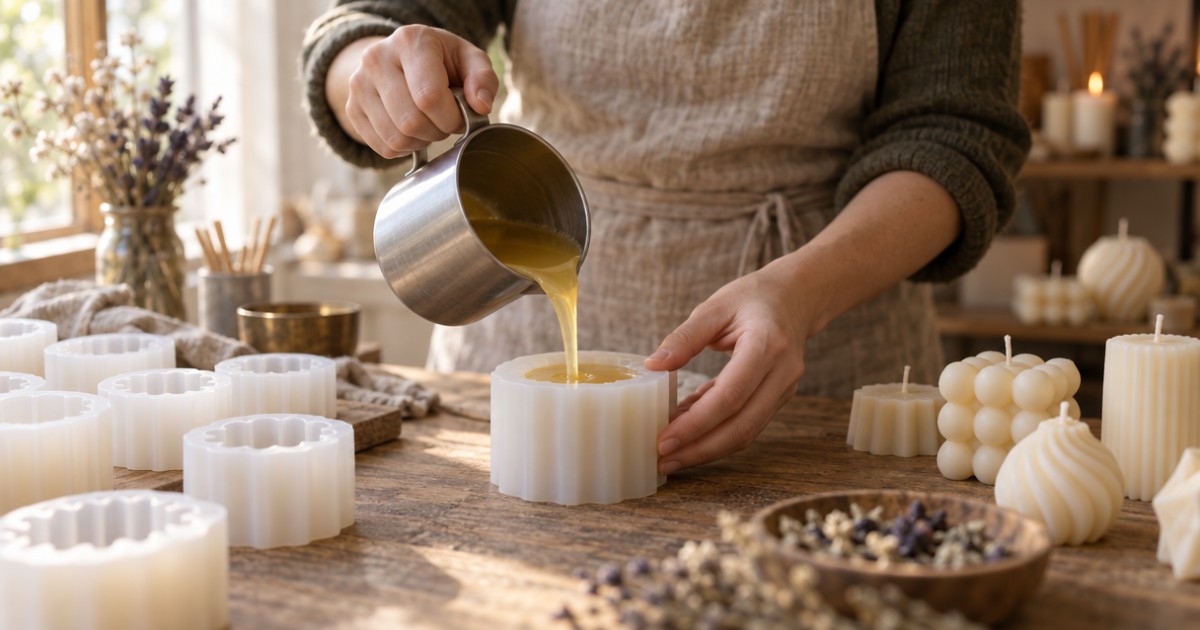
Soy wax is the most common. It burns cleanly, at a low temperature, producing a white and smooth surface that predictably accepts color and fragrance. Coconut wax holds scent exceptionally well and burns slowly and evenly — it is the material for an intense, long-lasting scent throw. Beeswax has the highest melting point, burns the longest, and carries a subtle natural honey note. Rapeseed wax is a European, locally grown alternative with clean burning. They are often combined — a coconut-soy blend merges the slow burn of coconut with the predictability of soy. None of them come from petroleum. All come from crops or bees.
The hidden variable: flame temperature
Most candle comparisons end with the question "what is the wax made of." The real difference is one level deeper — in the temperature at which the wax burns. And temperature is the variable that silently decides everything else.
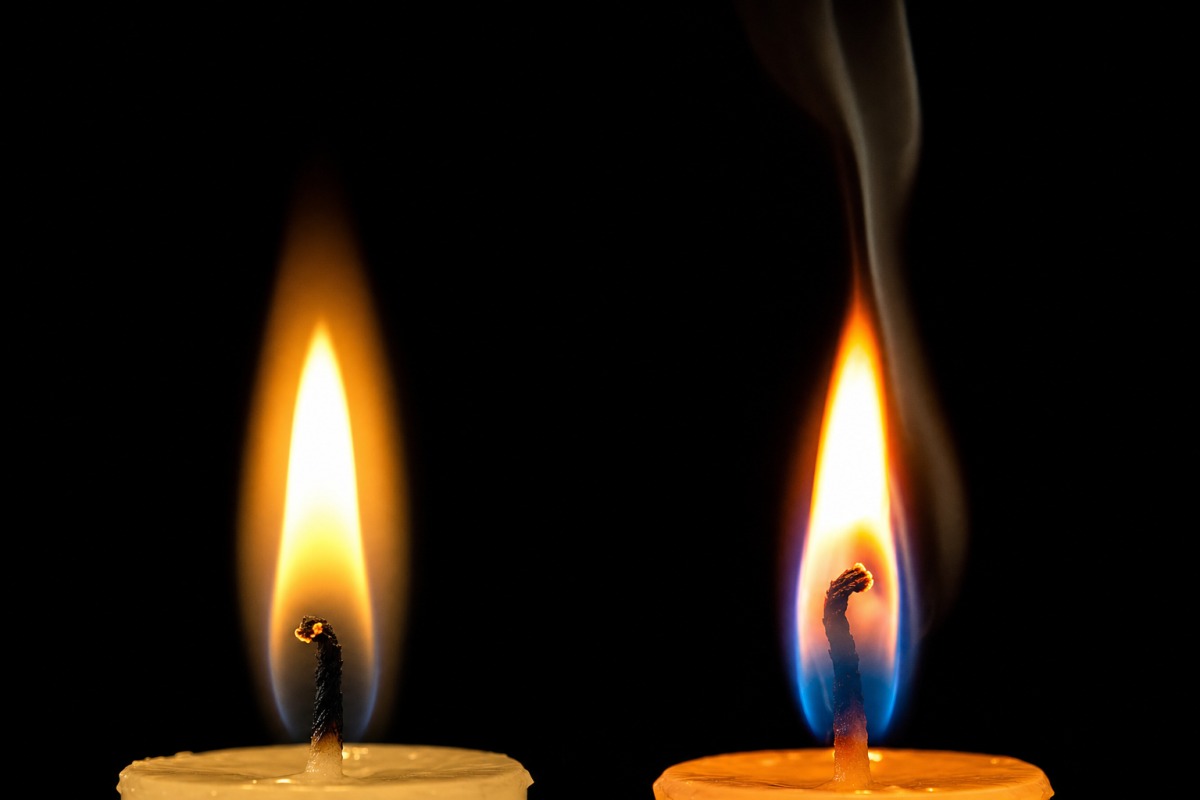
Natural waxes have a lower melting point and burn noticeably cooler than paraffin. This has two consequences at once. First: a cooler flame burns the wax more completely, producing less soot, so the air stays cleaner and the ceiling above the candle remains shadow-free. The second is less obvious but more important. Scent is made up of delicate aromatic molecules, and these are sensitive to heat. With the intense, hot flame of paraffin, some of them simply burn off before they can reach the air. With the milder burning of natural wax, they survive and are released intact — the scent is truer to how the fragrance actually smells. Not burnt, not flat, but full. For someone with allergies, asthma, or simply sensitive breathing, this difference is tangible: less soot and no sharp chemical undertone mean the candle does not need to be lit with the window slightly open.
A scent that fills the room and lingers until morning
There is a term that decides everything in candle-making — "scent throw," the candle's ability to disperse fragrance into the space. Not every scented candle has it. Some smell intense when you put your nose to them, but three meters away, you smell nothing. This is where natural wax gains an advantage that cannot be bypassed with a cheaper raw material.
Fragrance oils bind more effectively to natural wax. The denser plant structure holds them firmly during solidification and, when lit, releases them in a steady rhythm — from the first minute to the last, not in one burst of scent at the beginning. In practice, it looks like this: a natural candle with an honest fragrance concentration will fill an average living room in ten to fifteen minutes and linger in the curtains and fabrics until the next day. A paraffin candle in the same room needs significantly longer, and even then, it remains intense only within a meter radius of the flame. You do not feel the difference in the price on the label. You feel it the next morning when you walk into the room and the scent is still there.
How to recognize a truly natural candle
The market is full of vague formulations. "Natural blend," "plant-based," "aromatic candle" — words that sound good and say nothing. However, a few things will reveal the truth before you even light the candle.
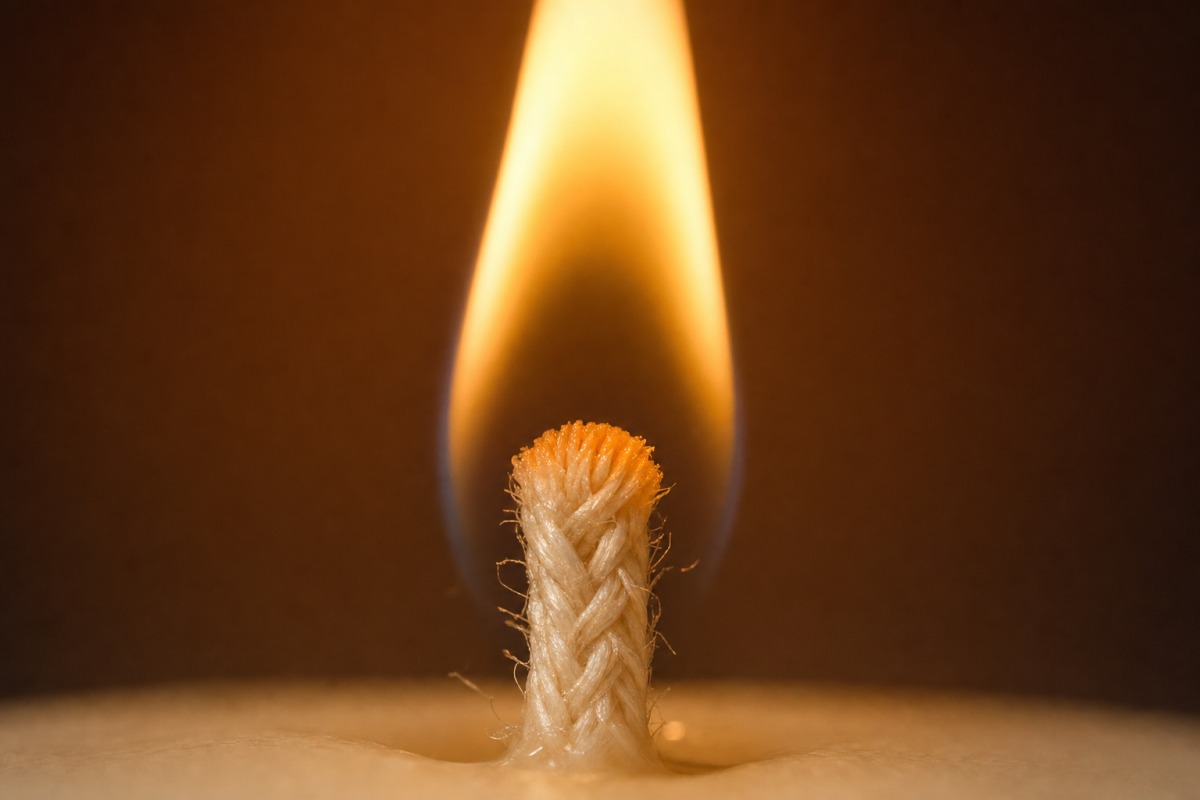
First — the label must be specific. An honest candle clearly states the type of wax: 100% soy, 100% coconut, or a precisely named blend of natural waxes with origin. Vague formulations without specification are a warning sign, because they often hide paraffin. Second — the origin of the scent. A large part of the perfume in cheap candles comes from imports from markets with weak regulation. An honest workshop works with fragrance compositions that comply with the IFRA standard, with declared composition and concentration. Third — the wick. A cheap wick is often impregnated with an unidentified paraffin mixture and releases a thin stream of black smoke when burning. European wicks made of pure cotton burn evenly, yellow with a golden edge, without smoke.
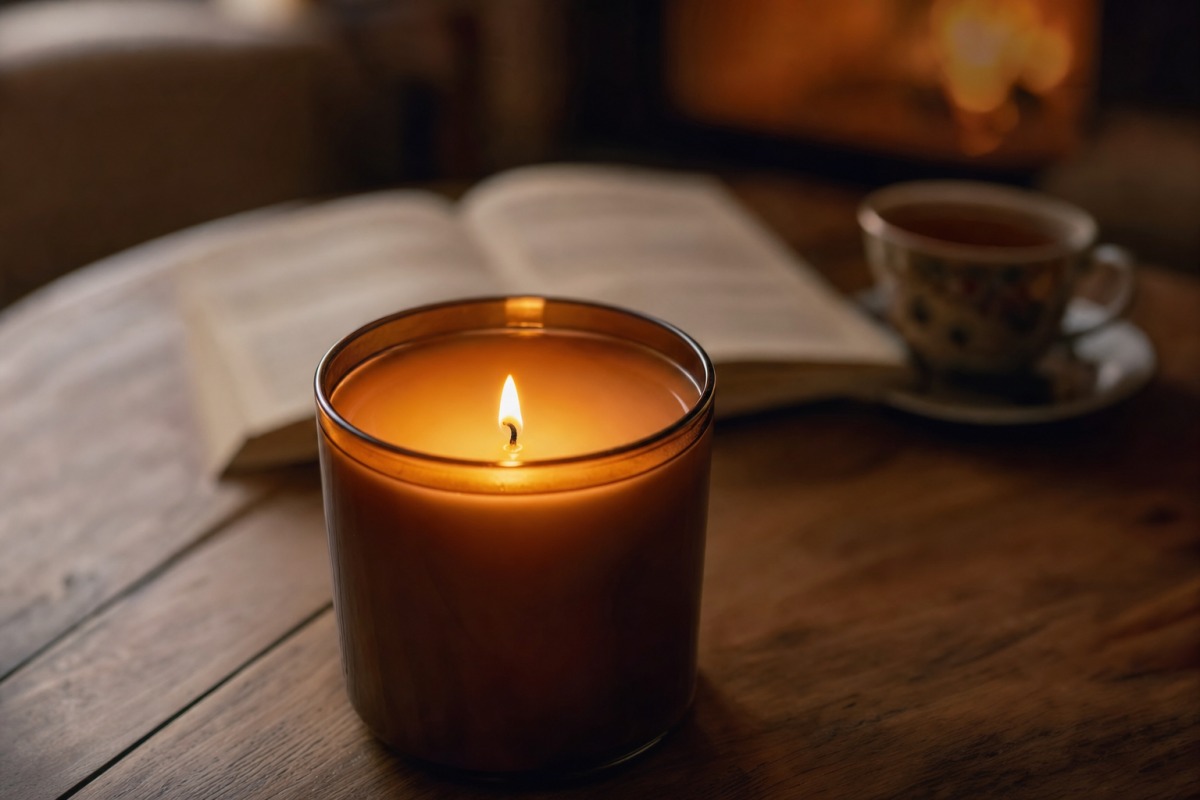
And finally, the proof you will see for yourself. Light the candle and after twenty minutes look at the flame and the edge of the container. Natural wax burns with a calm, clean flame and leaves no black rim around the wick. This is a test that no label can fool.
Cleaner air for sensitive breathing
For most people, cleaner burning is a pleasant bonus. For some, it is the reason they can even have a candle at home. People with allergies, asthma, or simply sensitive breathing react to soot and hydrocarbon emissions from paraffin immediately — with a prickling in the throat, heavier evenings, the need to air out. Natural wax removes this problem from the equation.
Without paraffin, there is no source of toluene and benzene from the burning wax. Without a fierce flame, there is less soot. And when the wick is also clean — made of pure cotton, without paraffin impregnation — the air in the room remains noticeably cleaner. Candles hand-poured in a small workshop in Slovakia are made with natural wax, premium EU fragrances, and European wicks. No shortcuts that you will see on the ceiling six months later.
Switching to natural wax is a decision about what you breathe in the evening, how long and how faithfully the candle scents your space, and what remains on the ceiling six months later. Paraffin burns cheaply and dirtily. Natural wax burns cleaner and more faithfully — and that difference cannot be captured in a photo; you feel it at home the next morning when the scent still lingers in the room. Browse the collection of candles from NOBAMO, hand-poured from natural wax, and choose the shape and scent that appeals to you.

Founder and owner of e-shops, father of two daughters and husband of Majka. Enthusiast for quality items with a well-thought-out story — from jewelry and watches to fashion accessories. He runs his stores with the same care he devotes to his family: he selects brands and products that he would buy for his loved ones. He regularly writes about how to choose a piece that will last for years.
All articles by author
 Container Candles
Bee Candle - White
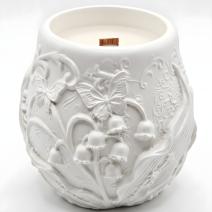
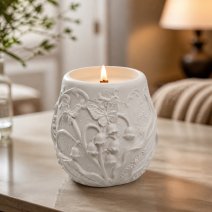
Convallaria Candle - White / Milk, Honey
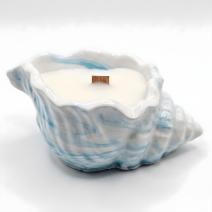
Candle Wave - Blue / Vanilla
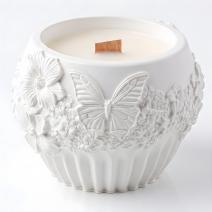
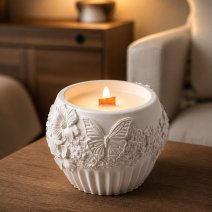
Candle Meadow - White / Cherry, Almond
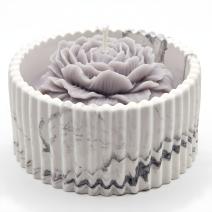
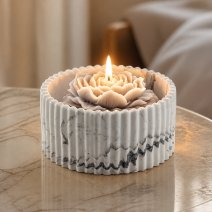
Carrara Candle - Peony / White / Silver / Lime, Mango
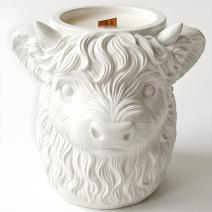
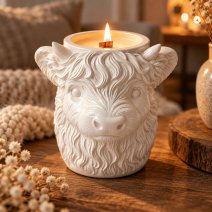
Highland Cow Candle - White / Vanilla
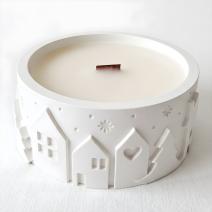
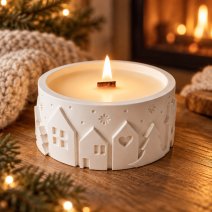
Winter Landscape Candle - White / Milk, Honey
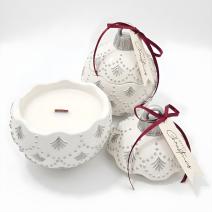
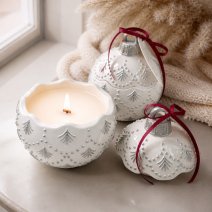
Christmas Bauble Enchanted Candle - White / Silver / Winter Magic
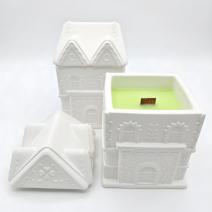

Medium House Candle - White / Apple, Cinnamon



Comments
Add comment
Login required
To add a comment, you must log in to your account.
Don't have an account? Register