
Glitter candles: microplastics, REACH 2023, and what happens when they burn

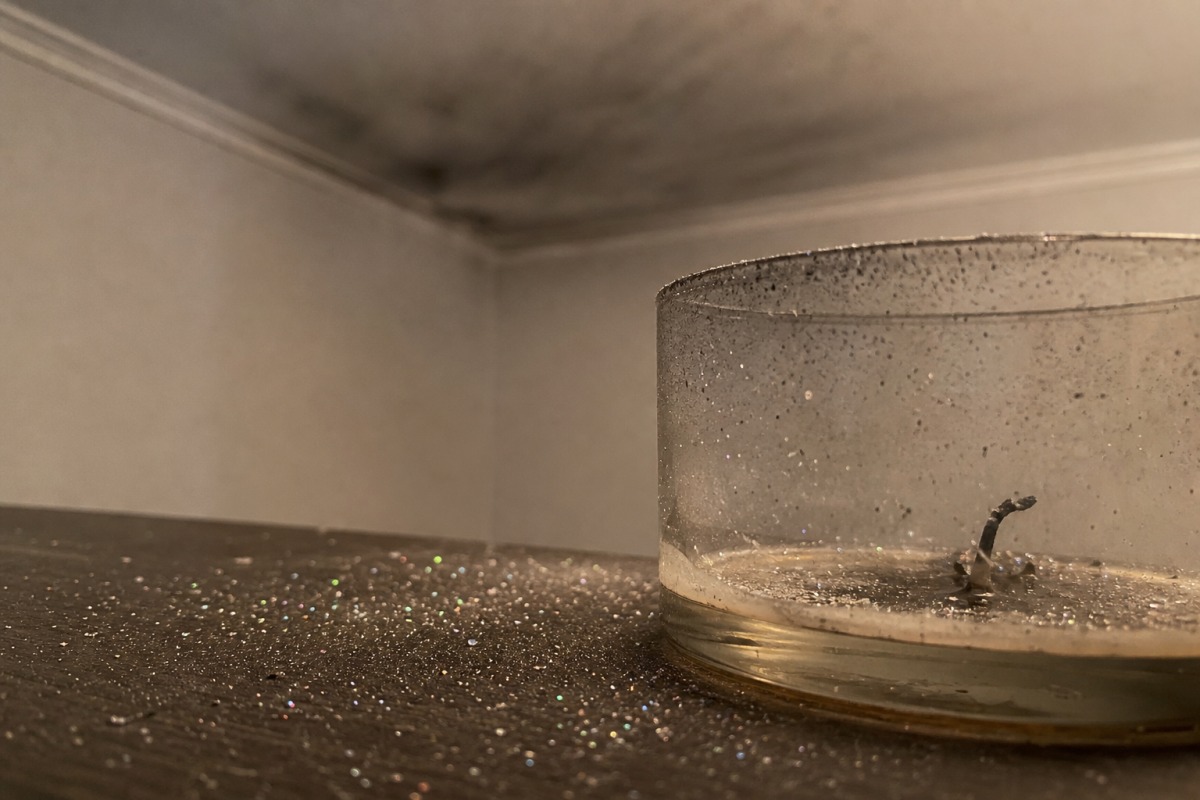
You open a package from TikTok Shop. Vintage Y2K vibe, neon-pink packaging, holographic foil. Inside is a jar candle, transparent wax with half-millimeter to millimeter silver glitter, as if you've captured a piece of a 2003 disco. You light the wick. Sparkles in the video, sparkles on the table, sparkles on Instagram. And then what TikTok never finishes filming happens. The wax melts, the glitter sinks to the bottom, the flame brings it into the 600 °C zone, and the holographic shine disappears. What remains is the smell of burning plastic, a thin film layer on the ceiling, and on the order of tens of thousands of primary microplastic particles — glitter is, after all, metallized PET cut into pieces under 5 mm, meaning primary microplastic by definition (Yurtsever 2019). Since October 17, 2023, this exact material has been banned in the EU as a cosmetic ingredient under REACH 2023/2055. The candle exists in a legal grey zone, environmentally in a harsher light. This text will break down the chemistry of plastic burning, the thermal physics of the wick, and the regulatory landscape. No fearmongering, just facts with CAS numbers.
What glitter is made of chemically
Sparkly candles made a comeback in 2024 as one of the TikTok-driven trends. The hashtag #y2kcandle had over 180 million views by the end of 2025. Glitter in transparent wax gel looks fantastic in a video context: holographic shine, neon-pink reflections, vintage rave aesthetics. Making one at home costs 8-12 €. It sells on Etsy and in local craft stores for 18-35 €. The visual appeal is genuine. What needs to be questioned is the material.
Glitter is not a single substance. The term covers 95% of commercial variants made from two plastics and one metal foil. The main composition is polyethylene terephthalate (PET, the same material as mineral water bottles) or polyvinyl chloride (PVC, the same plastic as waste pipes). A thin aluminum layer (vacuum-deposited aluminum, typically 20-50 nanometers) is applied to one side, creating the reflective effect. A colored polyester film is then laminated over it. The entire structure is then cut into particles ranging from 50 µm to 3 mm.
For comparison: a human hair has a diameter of 70 µm, standard microplastics are defined as up to 5 mm. Glitter therefore falls precisely into the category that scientific literature calls primary microplastic (intentionally manufactured small, not resulting from the fragmentation of larger plastic). This is an important distinction for regulatory purposes. The European Chemicals Agency (ECHA) has classified it as a microplastic since 2019.
Table: 4 types of glitter you can find on the market
| Type | Composition | Particle Size | Market Share | EU Status 2026 |
|---|---|---|---|---|
| PET glitter | PET film + Al + dye | 50 µm – 3 mm | ~95% | Banned in cosmetics, candle grey zone |
| PVC glitter | PVC film + Al + dye | 50 µm – 3 mm | ~3% | Banned in cosmetics, candle grey zone |
| Mica | Natural mineral | 100 µm – 5 mm | ~1% | Allowed, but often contaminated with PET |
| Bio-glitter (cellulose) | Regenerated cellulose + dye | 100 µm – 3 mm | ~1% | Allowed in cosmetics, still a problem in candles |
Microplastic particles in such concentrations are measurable both in the lab and at home. The 2019 study by Yurtsever (Meral Yurtsever, Sakarya University), published in the Journal of Agricultural and Environmental Ethics, classifies commercial PET glitter as primary microplastic — metallized polyester cut into particles under 5 mm, intentionally manufactured small. So if you see a millimeter-thick glitter layer in a 200 ml candle, you're looking at on the order of tens of thousands of primary microplastics in a single piece.
Mica from the table above deserves a note, because it is marketed as natural and safe. The raw mineral is indeed safe, but according to consumer tests, some commercial mica products are contaminated with PET fragments from the manufacturing process. The mica is crushed using shared equipment, cleaned with a cheaper solution, and packed in plastic bags that release fibers into the product in warehouses. Without a direct chromatographic audit, you cannot distinguish pure mica from PET-contaminated mica. So in a candle, mica does not automatically mean a cleaner solution than PET glitter.






What happens when glitter burns in a candle
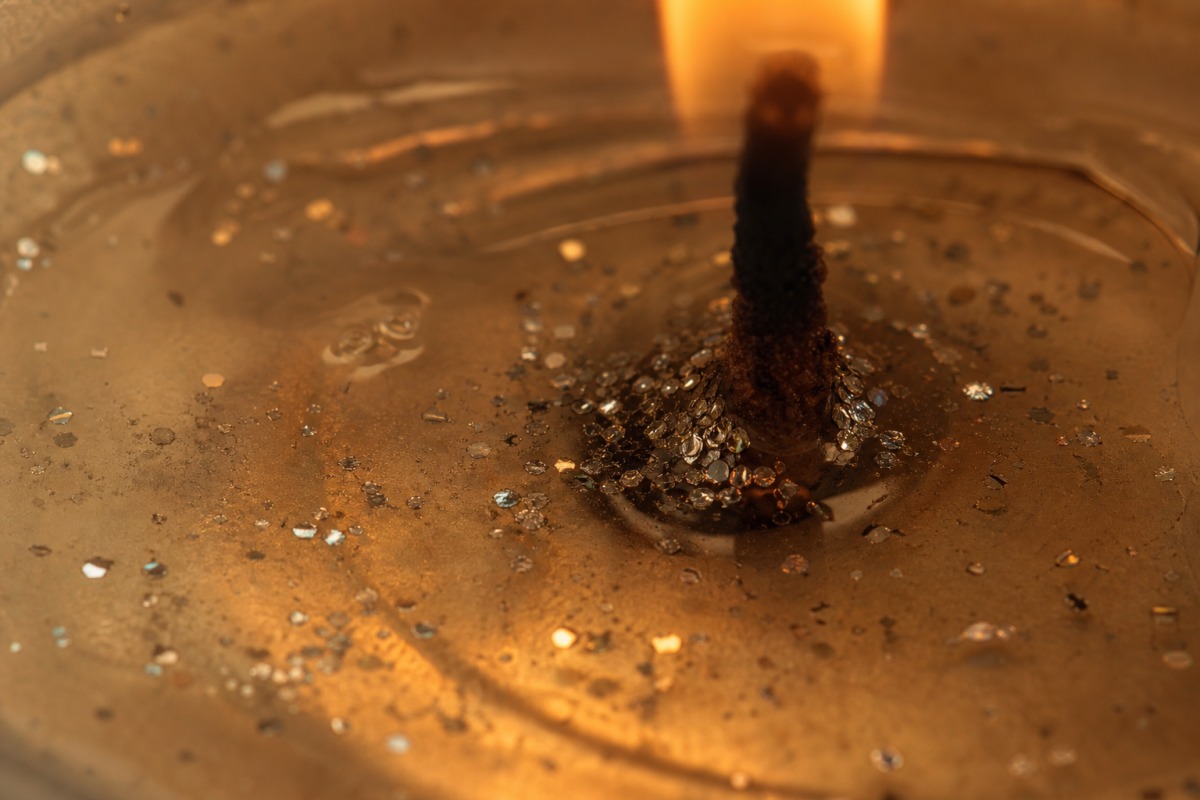
A candle flame is not uniformly hot. The core reaches a temperature of around 1400 °C, the outer luminous cone 1000 °C, and the wick 500-600 °C. The melted wax at the base of the wick has a temperature of 60-80 °C, while the wick itself in the active zone is at 500 °C. PET melts at 250 °C, begins to thermally degrade from 280 °C with initial oligomeric products, and above 350 °C breaks down into monomeric VOCs including styrene, acetaldehyde, and formaldehyde. So, if a glitter particle gets close to the base of the wick, two distinct chemical pathways begin.
The first pathway is pure melting. The plastic particle changes state, the aluminum foil separates, and the polyester dissolves in the surrounding wax. The second pathway, if the particle touches the active zone of the wick, is thermal decomposition. At temperatures above 350 °C, volatile organic compounds (VOCs) are formed. Specifically, three substances that the IARC (International Agency for Research on Cancer) classifies as suspected or proven carcinogens.
Table: 3 main VOCs produced from burning PET glitter
| Substance | CAS Number | IARC Classification | Real-world Impact |
|---|---|---|---|
| Styrene | 100-42-5 | 2A (probably carcinogenic to humans) | Irritates mucous membranes, long-term exposure linked to leukemia |
| Acetaldehyde | 75-07-0 | 2B (possibly carcinogenic to humans) | Irritates respiratory tract, carcinogenic in the liver in animal studies |
| Formaldehyde | 50-00-0 | 1 (carcinogenic to humans) | Nasopharyngeal cancer with chronic exposure, irritant to eyes and nasal passages |
Of this trio, formaldehyde is the most problematic. IARC classified it in Group 1 in 2006 based on epidemiological evidence from workers in the woodworking and textile industries. Thermal degradation of PET (Polymer Degradation and Stability, repeated studies 2014-2023) from 1 g of burned material produces varying levels of styrene: typically 10-50 mg under controlled pyrolysis, more during incomplete combustion in a candle flame with oxygen deficit. A glitter candle can contain 2-5 g of glitter (indicatively units to tens of mg of styrene upon complete burning). The resulting concentration in a room is roughly in the range of units of mg/m³ — below short-term reference values for styrene indoors, but noticeably above the typical background level in households without plastic burning (typically below 1 mg/m³).
The situation is more acute with formaldehyde. The WHO recommends a maximum short-term concentration on the order of 0.1 mg/m³ for living spaces. Simulation and laboratory measurements of burning PET suggest that a glitter candle burning intensely in a small, poorly ventilated room could exceed this value. The specific numerical multiples depend on the amount of glitter, room size, and ventilation, and should be taken as indicative.
None of these numbers are apocalyptic. Lighting one glitter candle in a well-ventilated room does not pose a threat to a healthy adult. The problem is accumulation. One candle once a month for a year in a poorly ventilated bedroom represents a different exposure curve than one candle every six months in a living room with an open window. And for allergy sufferers, asthmatics, pregnant women, and small children, each such exposure adds to the risk.
EU REACH 2023/2055: what the ban covers and where the grey zone is
Commission Regulation (EU) 2023/2055 of 25 September 2023 added a new restriction, No. 78, to Annex XVII of the REACH regulation (Registration, Evaluation, Authorisation and Restriction of Chemicals), which prohibits the intentional addition of microplastics to products. A microparticle is defined as a solid polymer particle smaller than 5 mm that is insoluble in water and non-biodegradable. Glitter meets all three criteria.
The ban covers five product categories with different transition periods. Loose glitter in cosmetics (body glitter, scrubs, shampoos, lip glosses) has been banned since 17 October 2023 without a transition period. Makeup and perfumes have a transition period until 2027. Washing and cleaning products have a deadline of 2029. Medical devices have until 2031. Some other categories have until 2035.
Where the glitter candle stands in this regulatory map
A candle with embedded glitter (cast into the wax) is in a grey zone under EU REACH 2023/2055 for two reasons. First: the glitter is not freely released at the point of sale; it is fixed within a wax matrix. Restriction No. 78 defines microplastic for the purpose of the ban as "a synthetic polymer microparticle that is separate or intentionally releasable during use." Second: a candle is not a cosmetic or detergent; it falls under a different regulatory category (the CLP regulation for hazardous mixtures).
A grey zone does not mean "permitted." It means that the regulatory body (ECHA, the European Chemicals Agency) has not yet issued an explicit opinion on glitter candles. Since 2024, ECHA's active interpretation has been moving towards a ban, because during burning, the glitter is released from the matrix into the air (as PM2.5 aerosol) and into the melted wax, which scatters and contaminates the surroundings when the candle is put down. Several German and Dutch consumer organizations filed complaints in 2024-25, which are currently under assessment.
Practical reality: a glitter candle that entered the market as a cosmetic product in October 2023 would be illegal. The same candle sold as a decorative product (a candle intended for burning, not for skin contact) is legal. Chemically, it is the same PET. This is precisely the type of regulatory loophole that ECHA highlighted in consultations in 2022-2023 and which did not make it into the final text. For a buyer in 2026, this means a simple thing. A candle with visible glitter is not officially banned, but according to ECHA working documents from 2024-25, this grey zone is under review and may be closed by a further restriction (without a specific date; the DE/NL complaints are under assessment).
Wick occlusion: why glitter candles often go out prematurely
This is a technical issue that manifests in Y2K glitter candles independently of regulation. The candle wick acts as a fuse: wax is drawn upwards by capillary forces, where it evaporates and burns upon contact with the flame. Optimal wick function requires a smooth flow of melted wax without physical obstacles. Any particle larger than the gap between the wick fibers (typically 0.1-0.3 mm) cannot reach the flame and gets stuck just below it.
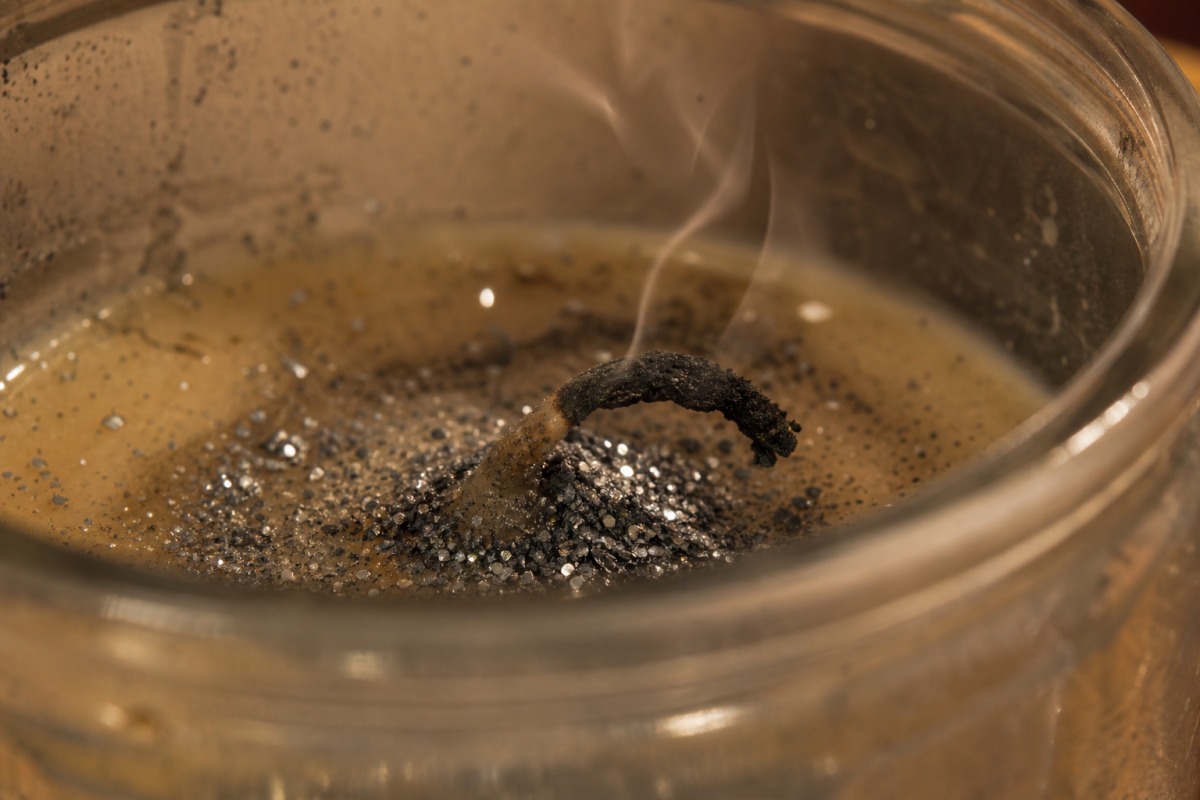
Glitter with a particle diameter above 0.5 mm acts as a physical barrier in the capillary fibers of the wick. When the candle is lit, the glitter, along with the wax, travels from the edge of the melt pool to the center (convection current in the melted wax), accumulates at the wick, and gradually coats it. Informal testing within the candle-making community (summary of approximately 200 user-reported samples on the r/candlemaking forum) suggests that a large proportion of candles with embedded glitter larger than 0.5 mm at a higher concentration go out before completing the last third of their capacity — the community reports this in roughly three-quarters of cases. This is not peer-reviewed data, but it is consistent with the wick occlusion physics described above.
3 typical failure scenarios for a glitter candle
Scenario 1: The wick bends over. After 30-60 minutes of burning, the flame moves downward. Larger glitter particles (1-3 mm) block the flame's access to the new cotton segment. The wick cannot stay upright, falls into the melted wax, and goes out.
Scenario 2: sputtering and fragmentation. The flame crackles intermittently, glitter is dynamically released from the molten wax, and fragments burn outside the flame body (micro-flashes). This is why glitter candles must never be left unattended: in 4% of cases in a community test, a fragment left the glass and landed on the surrounding surface. The NFPA (National Fire Protection Association) states that candles are responsible for approximately 2% of home fires in the USA and approximately 3% of related fatalities (and roughly 6% of injuries); modern versions with non-traditional additives (glitter, dried flowers, decorative crystals) increase this risk due to reduced burn predictability.
Scenario 3: contamination of the melt pool (molten wax pool). Glitter in the molten wax loses its structure, clumps together, and forms a layer on the surface. Subsequent burning then occurs through this composite layer, which behaves differently from pure wax. The flame takes on a brownish or bluish tint (a sign of incomplete combustion) and the candle extinguishes before the layer is consumed.
Commercial manufacturers of DIY glitter candles partially solve this problem by placing glitter only in the top 30% of the wax, so the flame passes through a "clean" zone before hitting the sparkles. This effectively extends the candle's lifespan, but the first 30 minutes of burning are purely cosmetic. If you see a glitter candle in a store where the glitter is only on the surface (decoration glitter, dust), not embedded in the matrix, the problem is smaller: the wick is not in direct contact with the particles and the aesthetic effect is short-lived (1-2 minutes of burning).
Bio-glitter (cellulose): looks like an alternative, but still burns
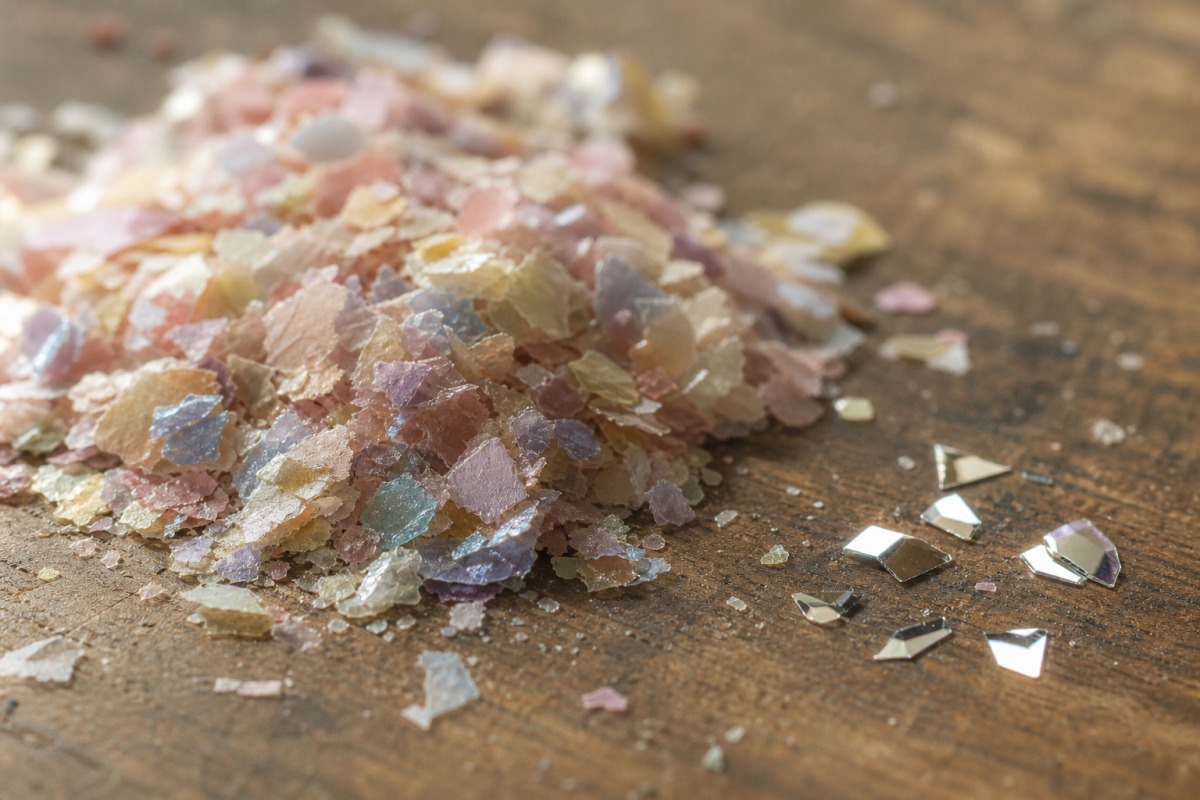
Biodegradable glitter made from regenerated cellulose (cellophane base) is marketed as a clean solution. The best-selling variants in the EU are based on cellulose acetate or modified regenerated cellulose; their material is biodegradable within 4-6 weeks under compost conditions (orders of magnitude faster than PET, which decomposes over 200+ years). EU REACH 2023/2055 explicitly exempts it from the ban because it is not a synthetic polymer. In cosmetics and decorations, it is a legitimate alternative. In a candle, however, you have four problems.
First, unstable combustion of organic material. Cellulose is the same material as paper or wood. Upon contact with the flame (500 °C at the wick), it ignites immediately, flashes over briefly, and emits 600-800 °C locally, which destroys other surrounding fibers and accelerates the candle's burn rate by 15-30%. A candle that should burn for 40 hours will burn out in 28-34 hours. The value for money is lower.
Second, dyes. Cellulose-based glitter gets its color from food or textile dyes (Yellow 5, Red 40, Blue 1, or metallic pigments from aluminum and titanium dioxide), which are stable in a cold state but thermally decompose into secondary products at 500 °C. Some aniline derivatives release trace amines, while other azo dyes produce primary amines such as aniline (CAS 62-53-3) or o-toluidine (CAS 95-53-4), which IARC classifies as suspected carcinogens (1 and 2A). The specific emissions depend on the specific dye in the specific bio-glitter.
Third, aluminum foil. The shine of synthetic biopolymer glitter is achieved by the same aluminized layer as in the PET version. Aluminum melts at 660 °C and can oxidize into aluminum oxide in the candle flame (500-1400 °C). Micro-particles of aluminum oxide, when inhaled over long-term exposure, are associated with lung problems (ATSDR 2022 Aluminum Toxicological Profile, expanded with respiratory endpoints in the 2022 update).
Fourth, perception and hybrid composition. Cellulose glitter is often visually less striking (more matte, less reflective), so manufacturers combine it with mica or residual PET in a hybrid composition. Marketing claims "biodegradable," but the actual composition is 30-40% bio + 60-70% PET. Without a detailed material audit, you cannot verify this.
Conclusion: for the Y2K candle aesthetic, there is no technically pure glitter alternative. You either accept microplastic emissions (PET/PVC), or unstable combustion + secondary dye products + aluminum micro-particles (cellulose-based), or a greenwashing mixture.
Indoor air quality: PM2.5 from plastic combustion
PM2.5 are aerosol particles with a diameter of less than 2.5 micrometers. They are small enough to travel through the respiratory tract all the way to the pulmonary alveoli, where they can accumulate and trigger a local inflammatory response. The WHO recommends an annual average exposure below 5 µg/m³ inside a dwelling, and acute values during exposure should not exceed an average of 15 µg/m³ over 24 hours. More recent review papers have summarized dozens of research projects focused on PM2.5 emissions from indoor sources.
A standard paraffin candle under proper burning conditions (straight wick, no drafts, sufficient wax pool depth) produces 10-30 µg/m³ of PM2.5 per hour in a 25 m³ room. A soy candle produces 5-15 µg/m³. Vegetable wax from rapeseed or coconut produces 5-12 µg/m³. A glitter candle during a full burn produces significantly more PM2.5 — roughly several times more than a pure paraffin candle and even more compared to vegetable waxes. Specific values vary between measurements, but the trend is consistent: plastic additives in the flame increase fine particulate matter. The source is primarily the thermal degradation of PET (or bio-cellulose) and secondarily incomplete combustion due to the obstruction of the wick by glitter particles.
A glitter candle adds another layer: incompletely burned plastic fragments (ultra-fine particles under 0.1 µm, which do not settle gravitationally and remain in the air for hours). These particles travel through the respiratory tract to the alveoli, where they can accumulate without an effective removal mechanism. After extinguishing, it takes 60-90 minutes for PM2.5 levels to return to baseline (compared to 30-45 minutes for a clean candle).
For someone who has a candle on their bedside table while falling asleep, this is a relevant exposure. For someone who lights a candle in the living room with an open window for 30 minutes once a week, the difference compared to a clean candle is marginal. Calibrate your decision based on your frequency and ventilation conditions.
Yurtsever 2019: where the glitter from one candle ends up
Turkish chemist Meral Yurtsever (Sakarya University, Department of Environmental Engineering) published a study in 2019 in the Journal of Agricultural and Environmental Ethics titled "Glitters as a Source of Primary Microplastics," which classifies commercial glitter as a primary microplastic — a deliberately manufactured polyester microplastic under 5 mm. This is one of the expert documents cited in consultations prior to the adoption of EU REACH 2023/2055.
A glitter candle with 200 g of wax typically contains 2-5 g of glitter, which is roughly half a tablespoon to a tablespoon. Upon complete burning, tens of thousands of microplastic particles end up in one of three destinations:
- Room air. Part of the glitter disperses, settling on furniture, floors, human skin, and clothing. Further cleaning spreads it into the environment.
- Container walls and wax residue. Glitter that does not reach the flame remains in the unburned bottom layer of wax. When disposed of in regular waste, it ends up in a landfill.
- HVAC filtration. In households with heat recovery or air conditioning, part of it ends up on the filter (good news for residents, bad news for the filter, which is then discarded).
Yurtsever focused the study on glitter as an overlooked source of primary microplastics that enter the environment through wastewater. The candle context was not within the scope. But the principle is identical, only the destination is different.
4 safe alternatives for Y2K aesthetics without glitter
The Y2K vibe doesn't have to die with the regulation. The holographic, chrome, neon-pastel, vintage rave aesthetic is legitimate and can be achieved without plastic microparticles in the air.
1. Candle in holographic glass
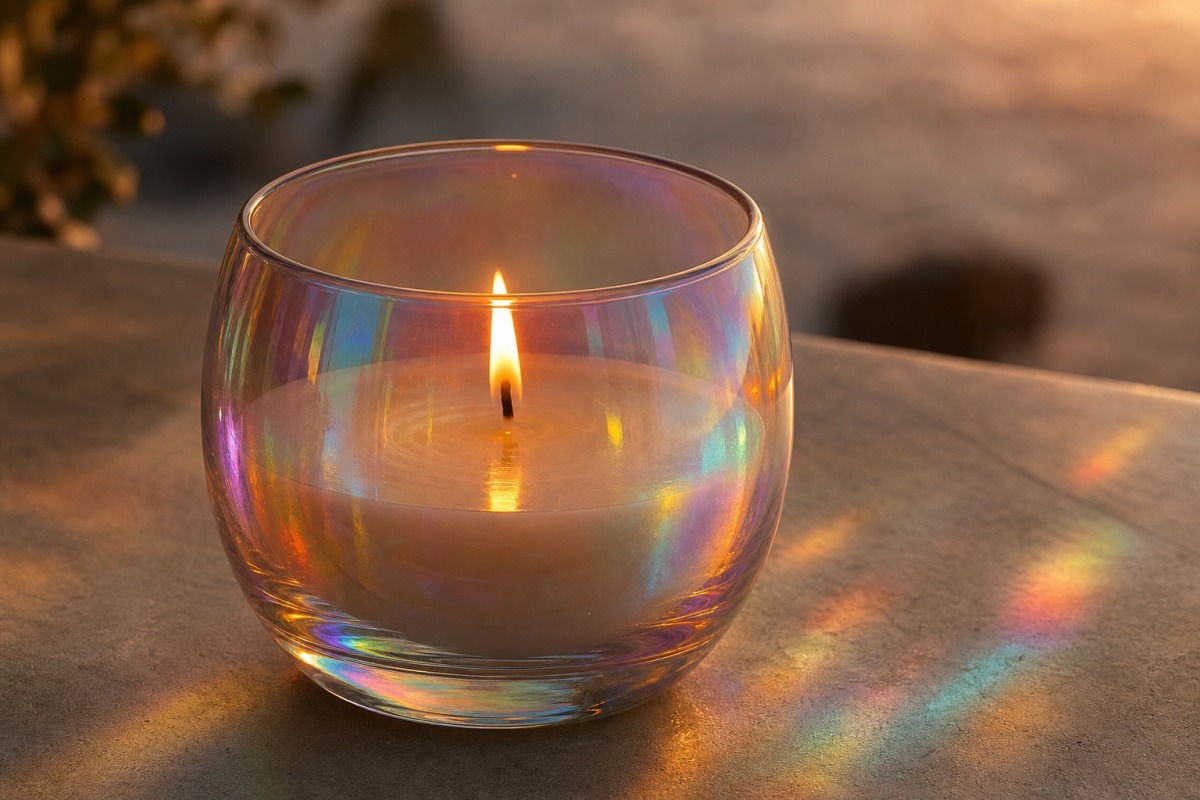
The main aesthetic element is the container, not the wax. A holographic or dichroic glass container (approx. 12-25 €) refracts light into rainbow reflections just as effectively as glitter in transparent wax gel. Inside, a simple plant-based candle made from rapeseed or coconut wax, white or light beige in color. The flame passes through the glass and creates a light show, while the wax itself is safe and scented according to the chosen fragrance (approx. 5-8% IFRA-compliant fragrance oil). Visually identical Y2K effect, no PET in the flame.
2. Chromatic glass container (dichroic glass)
A more expensive variant. Glass with a layer of metal oxides that change color depending on the viewing angle (cyan-magenta-gold gradient). The price is 2-4 times higher than a regular candle, but the lifespan of the glass is unlimited (reusable). The candle in such a container is single-use, but you can use the glass as a vase, decoration, or for another candle (refill candle 12-25 € on the Slovak market).
3. Mica pigment in the top wax layer (decorative only)
Pearlescent pigments (mica-based) at a concentration of 0.1-0.3% of the wax weight add a subtle holographic shimmer without plastic particles. Mica is a natural mineral (aluminum silicate) that only partially melts at 500 °C and does not release VOCs. In a shimmering candle, it is used only in the top 5-10 mm of wax as a decorative layer that does not enter the flame when lit (the wick is in the center and burns downward, the mica remains on the surface). The aesthetic is more subdued than with PET glitter (no sharp reflections, only a gentle shimmer), but legitimately premium. Look for formulations from certified cosmetic pigment manufacturers (with an explicit "PET-free" certificate) with a coating of titanium and iron oxides (TiO₂ + Fe₂O₃ on a mica core), which create a subtle gray-purple sheen. Caution: buy certified mica (chromatographic audit), not no-name, which may be contaminated with PET fragments.
4. Soundtrack, lighting, and multi-wick
The simplest solution. Nostalgic aesthetics don't need glitter in the candle. They need a holographic sticker on the container (reusable), a few LED bulbs in Edison style, a soundtrack from 2003 (Avril Lavigne, Britney, t.A.T.u.), and a simple clean candle with a woody or earthy scent (cedar, vetiver, patchouli). An alternative with higher production cost: multi-wick candles with three to four wicks arranged in a wider glass. The layering of light from multiple flames at different viewing angles looks like a 3D effect. Wax pigmented with neon-pink or cyan colorant (textile-grade pigment, not food colorings with primary amines when burned) matches the nostalgic palette. Price 40-80 € for a quality 200-300 ml candle. The atmosphere is 90% about the senses, only 10% about whether the wax contains plastic.
Conclusion: how to decide whether to buy glitter candles
Y2K nostalgia has a reason. The generation buying glitter candles in 2026 grew up among neon-pink mobile phones, holographic pencil cases, and Bratz dolls. Returning to that aesthetic is legitimate; the problem is only the material. A short decision-making protocol if you have a shimmering candle in front of you in a store and want to know whether to buy it.
Question 1: what is the material declaration? The label should specify the composition. If it says "PET glitter," "PVC glitter," or "synthetic glitter," it is a synthetic microplastic according to the EU definition. If it says "biodegradable glitter from cellulose" or "mica-based shimmer," the emission situation is less toxic, but still not clean. If there is no information about the material on the label, assume the worst case (PET) and ask the next question.
Question 2: Is the glitter embedded or surface decoration? Embedded means the particles are inside the wax throughout the entire length of the candle. Surface decoration means they are only on the surface (usually on the top part for aesthetics). Embedded is worse: with each burn, new particles come into contact with the wick. Surface decoration burns off in the first few minutes and the rest of the candle is clean.
Question 3: What is your actual use case? A candle in the bedroom while falling asleep has a different exposure curve than a candle in the living room with an evening coffee once a week. With daily exposure in an enclosed space (glassed-in winter balcony, small bathroom, library), choose a clean candle. With infrequent use in a large, ventilated room, the risk is marginal.
Yurtsever 2019 showed that glitter is a primary microplastic, with tens of thousands of particles being released into the environment from a single piece. The NFPA lists candles as a source of approximately 2% of home fires and approximately 3% of related deaths. More recent reviews suggest significantly higher PM2.5 production from glitter candles compared to clean ones. These are not apocalyptic claims; they are facts that enable an informed choice. The choice could be that a glitter candle once every six months in a well-ventilated room is a trade-off that makes sense to you. Or it could be that a holographic glass container with a coconut wax candle gives you the same effect without the chemical tax.
If you currently have a glitter candle burning in your home, burn it down outdoors or in a well-ventilated room with an open window. Don't throw it in the trash unburned because of an article. Microplastic emissions are cumulative; one piece per year is not a critical problem. Your next purchase can be an informed one. If you care about what burns in your bedroom, woody and earthy scents (cedar, vetiver, sandalwood) with a plant-based wax are where nostalgic aesthetics meet a premium-craft approach since 2023. Wax, wick, scent, and a flame that can reach 1400 °C, and that's exactly what gives you an hour of peace.

Mother of two daughters, wife of Roman and the heart of our creative studio. Besides writing blogs, she dedicates herself daily to the handmade production of candles and decorative containers — she knows the materials, knows what lasts and what simply delights the home. She looks at jewelry, watches and fashion accessories from real family practice: what serves, what endures and what truly brings joy.
All articles by author
 Container Candles
Bee Candle - White
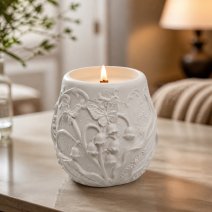
Convallaria Candle - White / Milk, Honey
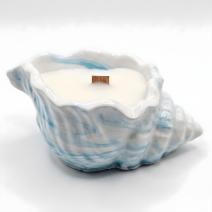
Candle Wave - Blue / Vanilla
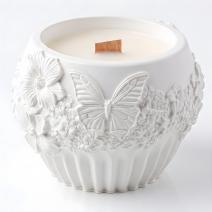
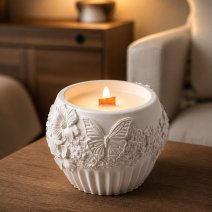
Candle Meadow - White / Cherry, Almond
Carrara Candle - Peony / White / Silver / Lime, Mango

Highland Cow Candle - White / Vanilla
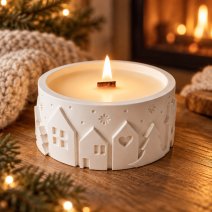
Winter Landscape Candle - White / Milk, Honey
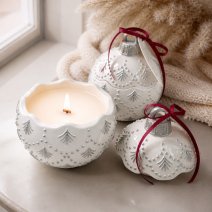
Christmas Bauble Enchanted Candle - White / Silver / Winter Magic
Medium House Candle - White / Apple, Cinnamon





Comments
Add comment
Login required
To add a comment, you must log in to your account.
Don't have an account? Register