
Aromachology: how scent changes mood in 10 seconds
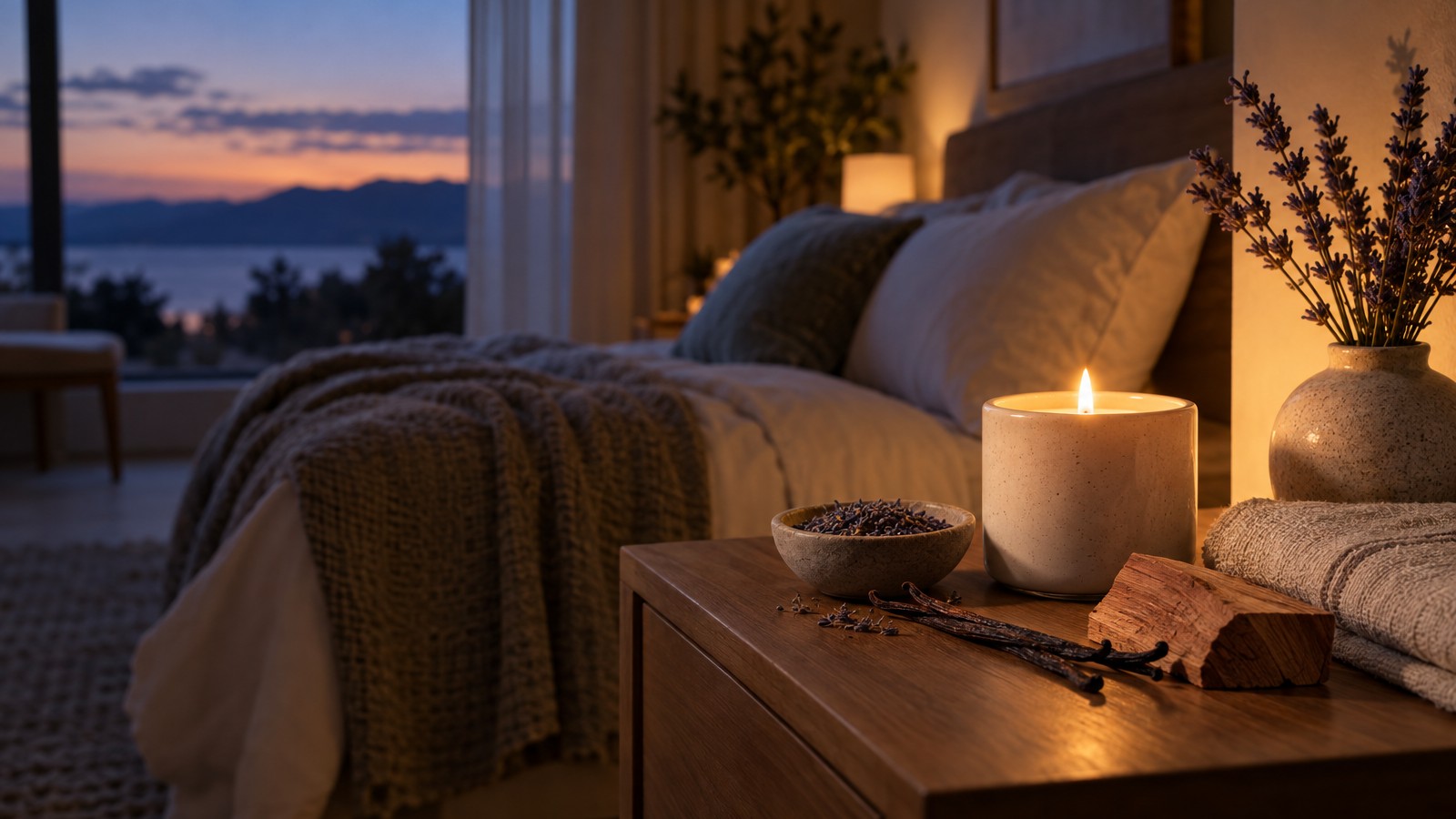
Aromatherapy books from the 1980s claim that lavender "cures insomnia" and vanilla "lifts depression". Scientific studies from the very same period say something rather different: under controlled inhalation of lavender essential oil, researchers measured a drop in heart rate and blood pressure together with increased alpha activity on EEG, that is, signs of reduced autonomic arousal. Some works additionally observed a decline in salivary stress markers. Two sentences about the same scent. Two completely different worlds. Aromachology, a discipline founded in 1982, has from its very beginning tried to keep the difference between them clean. In this article we show why this is not an academic quarrel over wording, but a practical guide for anyone who lights a candle and wants to know what they can realistically expect. Smell reaches the amygdala across only two synapses and, as the only sense, bypasses the thalamus, the relay station through which the other senses pass; the emotional response therefore arrives before you can even name the feeling.
The word people confuse, but science does not
The words aromachology and aromatherapy sound similar. They share common roots (the Greek arôma and either cholē in the sense of mood/soul, or therapeia as treatment), and in English texts they are sometimes mixed up. In practice, however, these are two distinct approaches to the same subject.
Aromatherapy is the older of the two. It dates back to the 1920s, and the French chemist René-Maurice Gattefossé is credited with the term itself. Originally it meant applying essential oils to the skin or inhaling them for therapeutic purposes. The Second World War and the postwar decades popularised it within naturopathy and alternative medicine. Most of its claims, however, never passed peer-reviewed scrutiny. Aromatherapy literature commonly promises to cure specific illnesses (anxiety disorder, depression, insomnia) on the basis of anecdotal observations by individual therapists.
Aromachology is some sixty years younger. It was born in 1982 in New York, when the American perfumery analyst Annette Green founded, within the Fragrance Foundation, an organisation called the Sense of Smell Institute (formerly the Olfactory Research Fund). The goal was specific: to deliver clinically controllable data on how scents change mood, performance and autonomic functions. Not to cure. To observe. To measure. To publish in peer-reviewed journals. The root in the discipline's name refers to mood and inner state (the Greek cholē), not to treatment.
The difference can be summed up in a single sentence. Aromatherapy says: "Lavender calms, because we have seen it in ourselves and in our clients." Aromachology says: "Upon inhalation of linalool, a blind controlled study observed a shift in stress markers, which suggests that scent may slightly influence the body's response to stress, but always only as a complement to rest." It is precisely this shift in wording that turns aromachology into a discipline able to stand up to a reviewer in a proper scholarly journal.
Why smell acts faster than other senses
The anatomy of the olfactory pathway is unique among the five senses. Receptors in the nasal mucosa detect aromatic molecules, the signal travels along the olfactory nerve to the olfactory bulb (bulbus olfactorius) and from there directly to the amygdala. Only two synapses are needed for this, and smell is the only sense that completely bypasses the thalamus, the brain's main relay station; it does not even have the filter of the prefrontal cortex. By comparison: the visual signal travels from the retina through the optic nerve, the optic chiasm, the lateral geniculate nucleus of the thalamus, and only then to the primary visual cortex, that is, across more synapses and always through the thalamus. Hearing follows a similar path via the cochlear nerve and the inferior colliculi, likewise through the thalamus.
The amygdala is the centre of emotional processing. The hippocampus, which lies right next to it, stores contextual memories. The hypothalamus regulates the autonomic nervous system and the secretion of hormones, including cortisol. All three structures form the core of the limbic system, and all three are in direct contact with the olfactory bulb. This is why sometimes a single waft of a childhood scent is enough to take you straight back to your grandmother's kitchen. The memory arrived before you were even aware of the scent itself. This phenomenon was named after the French writer Marcel Proust; today the scholarly literature refers to it as the Proust effect.
A practical conclusion follows from this anatomical fact. If you want to work with mood through sensory inputs, smell is an exceptionally direct channel to the emotions. The advantage of smell is not its speed but its anatomical directness: conscious naming of an odour is actually slower than with the other senses (on the order of 800 to 1200 ms), yet the emotional and physiological response via the amygdala arrives even earlier, because the signal does not have to pass through the thalamus or conscious processing. Smell can thus set a physiological reaction in motion (a change in heart rate, skin conductance and brain waves) within the first seconds of inhalation. That is precisely why aromachology was, from the very start, of interest to researchers of stress, sleep and cognitive performance.
Aromachology as a discipline: the rules it set for itself
When Annette Green and her colleagues named the discipline in 1982, they also defined its boundaries. The same framework recurs in the documents of the Sense of Smell Institute from its first decade. Aromachology studies:
- changes in emotional state after exposure to a specific scent (self-assessment plus standardised questionnaires such as POMS, STAI),
- physiological markers: cortisol in saliva or plasma, blood pressure, heart rate, heart rate variability, EEG activity (alpha, beta, theta waves),
- cognitive performance and attention (reaction times, memory tests),
- autonomic responses (sympathetic vs parasympathetic, galvanic skin response).
What aromachology does not study: treatment. It can describe scents, measure their effect on mood and body, but it does not promise that they will cure anything. That is exactly the boundary which aromatherapy historically failed to hold and which aromachology has guarded from the start.
In 1986 the organisation published its first comprehensive work on the emotional effects of scents. Since then several hundred studies have made their way into peer-reviewed periodicals. Many are small (20-60 subjects), with a short time horizon, and some have methodological weaknesses. What matters, however, is something else: they are published, criticised, replicated. Aromatherapy books from that same mid-1980s period as a rule repeated the same accepted copy without any new experiment.
Sayorwan 2012: the most frequently cited experiment
If there is one study that has become the reference point of lavender aromachology, it is the randomised controlled trial led by the team around Winai Sayorwan from 2012, published in the Journal of the Medical Association of Thailand. We will recall its exact parameters, because these are the kind of figures that get lost in marketing.
Experiment design: 20 healthy adult subjects, average age around 30, no diagnosed mood disorders. Before the experiment, a period without coffee, alcohol and perfumed products. The subjects sat at rest in a room with neutral temperature and humidity. In randomised order they went through two conditions. First the control one: inhalation of distilled water for the duration over which they measured EEG, heart rate, blood pressure, respiratory rate, skin temperature and mood self-assessment (Affect Grid). Second the experimental one: inhalation of 100% pure lavender essential oil under the same protocol.
The results were reproducible across repeated measurements and statistically significant. Subjects in the lavender condition reported a higher level of relaxation. EEG showed increased activity of both alpha and theta waves (a pattern associated with relaxation in the waking state). At the same time heart rate, blood pressure and skin temperature fell, which the authors interpret as reduced sympathetic activity, that is, a shift of the autonomic system towards calm.
A second study from the same field, Toda and Morimoto 2008 in Archives of Oral Biology, measured salivary stress markers after a brief psychological load and recorded a significant decrease in chromogranin A (a sensitive marker of sympathetic activation) in the group exposed to lavender scent; for cortisol it observed no unambiguous significant effect. A third, Koulivand 2013, is a systematic review of more than thirty independent studies and reports overall that inhalation of linalool or lavender essential oil shifts physiological stress markers and autonomic balance towards calm, although the individual studies differ in the strength and type of effect.
This is the science. Not "lavender breaks down stress". Only "upon inhalation of lavender essential oil under controlled conditions, heart rate and blood pressure dropped and alpha activity on EEG rose, which suggests reduced autonomic arousal". The difference between these two formulations is exactly what makes aromachology a science.
Lavender (linalool): the best-documented aromatic molecule
Linalool is the main terpene alcohol that gives lavender its characteristic scent. It is also found in basil, coriander, bergamot and some orchids, but lavender essential oil typically contains 25 to 45% linalool and 20 to 45% linalyl acetate, which makes it the most standardised source for research. For that reason linalool is the molecule about which we have the most data.
Its mechanism of action is not merely anecdotal. Linalool and some related monoterpenes act as mild modulators of the serotonin receptor subtype 5-HT1A in the limbic system, and alongside this they influence signal transmission in the amygdala (according to Herz 2009 and the meta-review by Koulivand 2013). That is precisely why, in healthy people at rest, it induces a measurable calming sensation. It is important to add, however, that these studies were conducted on healthy volunteers under laboratory conditions, not on people with any diagnosis, so they cannot be used to conclude that scent cures anything.
What does this mean in practice for someone who lights a lavender candle after a long day? Studies suggest that 20 to 30 minutes of inhaling linalool may influence the level of stress hormones and shift brain activity towards a calmer pattern. It is not a magical switching-off of stress, nor a quick substitute for sleep. It is a measurable but mild shift in one direction; combining it with other calming signals (dimmed light, a switched-off phone, tea, a book) amplifies the effect further, because the brain processes the multisensory context.
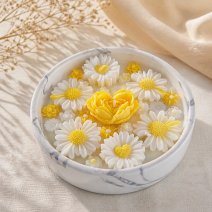
Vanilla (vanillin) and the dopamine system
The second best-studied scent molecule in aromachology is vanillin, the main aromatic compound of true vanilla (Vanilla planifolia). Vanilla holds a specific position in the aromachological literature: whereas lavender primarily modulates the stress axis, vanilla acts rather within the dopaminergic reward circuit. Vanillin is today found in hundreds of foods, cosmetics and perfumes; most of the population perceives it as an unambiguously positive scent across cultures, which is fairly unusual among scents.
Vanilla consistently has a high hedonic score in the aromachological literature: people subjectively rate it as one of the most pleasant and most calming scents of all. It is precisely this pleasant, relaxing sensation that makes it interesting for situations that call for relaxed but not drowsy attention. This is not about a hard EEG figure, but about a stable subjective experience of well-being that recurs across studies.
In parallel, imaging studies suggest that vanillin activates parts of the nucleus accumbens, a key structure in the dopaminergic reward circuit. Rachel Herz, in her 2016 book The Scent of Desire, summarises that vanilla consistently has the highest score in the population in hedonic tests of scent pleasantness, and that this response is probably cultural-biological: vanilla lactones have a molecular structure similar to compounds in breast milk.
From this it follows: vanillin is associated in EEG measurements with a relaxation profile and activation of the reward system. That does not mean, however, that vanilla "lifts the mood" in clinical depression — no RCT has tested that. What has been tested are EEG and self-assessment in healthy adults. For practical use this means that the scent of vanilla does not act as a sedative (linalool, lavender), but as a mild lift of the emotional state during tasks that require focus without tension: reading, writing, longer working windows. In artisanal candle-making, the sweet-woody profile (vanilla, tonka, sandalwood) tends to find more use during quiet, concentrated work than purely resinous or citrus compositions.
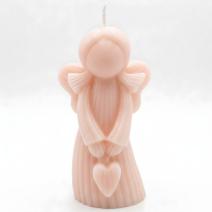
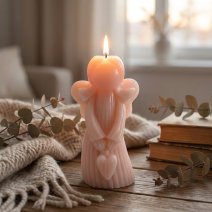
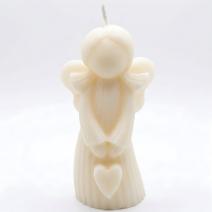


Cedarwood (cedrol) and the parasympathetic system
The third molecule worth knowing is called cedrol: a sesquiterpene alcohol, the main aromatic component of cedarwood (Cedrus atlantica, Juniperus virginiana). It acts differently from linalool and vanillin: it is not about modulating stress hormones or the reward circuit, but about a direct effect on the parasympathetic nervous system.
The most cited work is the study by Dayawansa and colleagues from 2003, published in Autonomic Neuroscience under the title Autonomic responses during inhalation of natural fragrance of cedrol. The team carefully tracked the autonomic responses of volunteers during a 10-minute inhalation of cedrol. The results: parasympathetic (HF) activity measured from heart rate variability rose significantly within the very first minutes, that is, the body shifted into a resting mode, heart rate decreased slightly but significantly, and blood pressure showed a similar shift towards resting values. The sympathetic system, which regulates arousal and the stress response, fell at the same time.
In terms of aromachological taxonomy, cedarwood is classed among the so-called grounding fragrances, that is, scents that create a sense of anchoring and physiological decompression. From a practical standpoint this makes sense: the parasympathetic system is responsible for calm, digestion and regeneration, and its activation is a precondition for good deep sleep. Sleep-medicine studies have not so far unambiguously demonstrated that cedar scent improves sleep through objective polysomnographic markers (some works suggest an effect, others do not), but the middle path via parasympathetic stimulation is biologically coherent.
From this it follows: in a short-term experiment, cedrol demonstrably shifts the body towards a resting, parasympathetic mode. From that, however, it does not in the least follow that a cedar candle would "cure" high blood pressure. The trial was on healthy volunteers and short-term. The practical takeaway for the evening is more modest: woody and earthy compositions (cedar, vetiver, rosewood, smoky tones) suit the hours before sleep better than fresh citruses or herbs.
The 5-HT1A receptor: why emotion comes before words
Anatomy explains why scents act quickly. Neurochemistry explains why they act so strongly on emotion. The key player is the serotonin receptor subtype 5-HT1A, which is abundantly represented precisely in the structures of the limbic system: in the amygdala, the hippocampus and the raphe nuclei. Some aromatic molecules (including linalool and several compounds from bergamot and ylang-ylang) act as mild allosteric modulators of these very receptors.
In 2009 Rachel Herz published, in the International Journal of Neuroscience, the paper Aromatherapy facts and fictions: a scientific analysis of olfactory effects. In this review study she described the key difference between the olfactory and other sensory pathways. With visual or auditory stimulation the signal first travels through the thalamus and the prefrontal cortex, where it becomes conscious and nameable, and only then does the emotional evaluation arrive. With olfactory stimulation the signal goes first to the amygdala and activates the emotional response, and the cortical naming (this is the scent of lavender) arrives only with a delay of several seconds. Herz captured this in the words: with scents we react before we know what we are reacting to.
An important practical consequence follows from this. Scent memory is often non-verbal. With one particular woody composition someone will remember their father's study, another a holiday in the forest, and both will experience an emotional response before they can say what to. That is precisely why aromachology is used in the design of wellness spaces and, increasingly, in supportive memory therapy for patients with dementia (the Memory Lane project in several European hospitals). It is not a treatment for dementia. It is a tool that can help to open up a specific biographical window of memory.
Where the science ends: three honest boundaries
The best test of a discipline's seriousness is not the list of its successes, but how openly it admits what it cannot do. Aromachology has these boundaries fairly precisely.
First: scents diagnose and cure nothing. No scent will show what is really wrong with someone, and no candle will replace professional help. Scents can influence how we feel at a given moment, and we should not promise ourselves anything more from them.
Second: long-term data are missing. Most experiments are short-term: 30 minutes of inhalation and measurement immediately afterwards. Very few studies follow people for months or years. Whether a regular scent ritual changes anything permanently remains, to a large extent, an open question.
Third: it does not depend on the scent alone. Rachel Herz, in her book The Scent of Desire (2016), summarises that a scent has no fixed, predetermined emotional effect, but acquires it through our personal memories. If you first smelled lavender strongly in a sad moment, it may evoke tension in you rather than calm. Studies average out this individual variability, but in everyday life it is entirely real.
Aromatherapy claims that science does not confirm
To make the contrast complete, we list a few common marketing claims from aromatherapy sources and compare them with the state of scientific evidence.
| Aromatherapy claim | State of aromachological evidence |
|---|---|
| "Lavender cures insomnia." | Studies suggest that inhaling linalool may help you fall asleep faster. Long-term sleep problems, however, belong in a doctor's hands; scent will not solve them. |
| "Eucalyptus loosens mucus in bronchitis." | 1,8-cineole has a confirmed mucolytic and weak antimicrobial effect in in vitro studies. In bacterial bronchitis it does not replace antibiotics. Consult a doctor before use. |
| "Ylang-ylang cures high blood pressure." | Some studies observed a short-term drop in blood pressure after inhalation. High blood pressure as a disease, however, is not cured by scent; that belongs to a doctor. |
| "Vanilla lifts depression." | In healthy volunteers, vanillin increases alpha activity on EEG and activates the reward system. A pleasant scent, however, is not a treatment for sadness or depression. |
| "A cedar candle stabilises heart rhythm." | In short-term experiments, cedrol significantly increases parasympathetic activity and lowers heart rate. Arrhythmia as a clinical condition is diagnosed by ECG and treated by a cardiologist. |
The pattern is the same in all five rows. The aromachological evidence describes an acute, short-term, partial effect under controlled conditions with healthy subjects. The aromatherapy claim turns it into a categorical therapeutic assertion. That leap from the first to the second is exactly the pseudoscience that aromachology has refused to do from its very beginning.
Six warning signs in the marketing of aromatherapy candles
A practical tool to help you distinguish an aromachologically true claim from a pseudoscientific one fits into six points. If you see any of these signs in an advertisement for a candle or essential oil, you are dealing with aromatherapy (or, even worse, wellness marketing), not with aromachology.
- The word "cures" without a specific diagnosis, or "cures" with a specific diagnosis but without a peer-reviewed citation. Aromachological literature speaks of modulations, influences, observed changes, not of curing.
- "Scientifically proven" without a source given. An aromachological citation has four elements: author, year, journal and DOI or full title. Without that, the claim is just packaging.
- "Guarantees" or "guaranteed". RCTs never guarantee. They speak of average effects in a population. Individual variability is high. A guarantee is a marketing word, not a scientific one.
- Claims about energies, vibrations, chakras, auras. These are metaphysical categories. Aromachology does not recognise them, because there is no measure by which to verify them. It is not that they have no cultural value, only that they do not belong to a discipline that bases its claims on peer-reviewed scholarly studies.
- Universality: it helps with everything. A specific molecule has a specific profile. Linalool has a cortisol profile, vanillin an EEG profile, cedrol an autonomic profile. A scent that helps with everything has no profile, only marketing.
- A substitute for prescribed treatment. The most harmful type of claim. No candle replaces the treatment your doctor prescribed for you, and you must never discontinue it because of a scent. A candle is a pleasant complement, never a substitute for professional help.
How to choose a scent according to your goal
The aromachological literature gives fairly clear recommendations on how to pair a compositional family with a specific desired state. This is not a list of curative indications, but a practical decision map according to which of the three main neurochemical pathways best suits a given situation. Let us recall the starting premise: the RCTs we cite had healthy adult subjects under laboratory conditions, not patients with a diagnosis.
If the goal is relaxation after a day full of tasks, prefer floral compositions with a high proportion of linalool: lavender, neroli, Damask rose. RCT data are strongest here (Sayorwan 2012, Toda 2008, Koulivand 2013). Suitable time: 60-90 minutes before sleep, or in the first hour after coming home from work.
If the goal is focus during quiet work, look for sweet and comforting compositions with vanilla, tonka or caramel notes. Vanilla is among the subjectively most pleasant scents and induces relaxed but not drowsy attention. Suitable time: a morning or afternoon working window of 90-120 minutes.
If the goal is physiological decompression before sleep, choose woody and earthy compositions with cedar, vetiver or rosewood. Dayawansa 2003 shows activation of the parasympathetic system within 5 minutes. Suitable time: 30-60 minutes before sleep, ideally combined with dimmed warm light.
If the goal is a mood lift on a grey winter day, citrus and sweet compositions work (bergamot, mandarin, vanilla). Activation of the reward circuit via the nucleus accumbens is biologically coherent, albeit with fewer large RCTs than for lavender, but with a consistent hedonic response in population tests.
Two cautionary points: first, individual variability is considerable. A scent that triggers relaxation in one person may trigger alertness in another, because biographical memory is written into the limbic system together with the scent. If lavender irritates you, that is a legitimate signal and there is no need to force it. Second, olfactory fatigue sets in quickly: after 15-30 minutes in the same space the receptors adapt and the scent subjectively fades, even though the physiological effect may continue. A short 5-minute break in another room resets the receptors.

Ten minutes that have a scientific framework
From the work in the NOBAMO studio and from reading the aromachological literature, a fairly simple protocol crystallises, one that combines the measured inputs into a single usable ritual. It is not a treatment and not a prescription. It is a way of systematically setting aside 10 minutes for physiological decompression after a long day. It consists of three steps; each has a scientifically grounded reason why it is included in the ritual.
Minute 0 to 1 (context). Turn off the main light, leave one low lamp or just the candle. Put your phone in another room, because visual input from a screen activates the sympathetic system just as reliably as an aromatic molecule activates the parasympathetic one. Close the door. The cortisol studies did not note whether the control group had an open laptop, but in their laboratory replications the room was quiet. Without this framework you are measuring the stress of notifications, not the effect of the scent.
Minute 1 to 3 (choosing the molecule by goal, and lighting). Light the candle and sit at a distance of 1 to 1.5 metres. Immediately after lighting, the candle needs 60 to 90 seconds for the wax to melt and the scent to start releasing consistently. Use this window for 4-6-8 breathing (4 seconds in, 6 seconds hold, 8 seconds out); a slow exhale by itself activates the parasympathetic system via the vagus nerve. Choice of molecule: linalool for relaxation before sleep or after a high-stress stretch of the day, vanillin when you need to break down mental rigidity or during an afternoon dip in mood, cedrol when you need to increase parasympathetic dominance (for example after physical stress or before meditation).
Minute 3 to 7 (the physiological window). Stay calm with open perception of the scent. You do not have to visualise or do anything. A few conscious breaths in through the nose, exhaling through the mouth. According to RCT data, most of the measurable physiological changes happen in this window: a drop in HR and a rise in the parasympathetic system (Dayawansa 2003: 5-10 minutes with cedar), a subjective feeling of relaxation with vanilla, a drop in autonomic arousal (Sayorwan 2012: lavender, a drop in heart rate and blood pressure, an increase in alpha+theta; the first changes within minutes).
Minute 7 to 10 (the anchoring transition). Step out of the ritual slowly. Do not extinguish the candle right away; let it burn for another 15-30 minutes; the scent remains in the room long after you leave. This transition time works as an anchor: the following activities (reading, tea, bedtime hygiene) take place in an already-scented space, which the brain perceives as a continuum of calm.
The ritual gives the best effect when repeated with the same protocol. Thanks to the hippocampus, the limbic system quickly builds an association between the scent and a physiological state, and after a few weeks the first two wafts of the scent are enough to trigger the conditioned decompression. It works as a conditioned rest, much as Pavlov's dogs responded to the sound of a bell, only via the olfactory pathway. A thirty-minute session once a day is the upper limit of what has a documented profile in RCTs; more brings no measurement-backed benefits. This is a scientifically grounded complement to a wellness routine, not a wellness shortcut and not a substitute for treatment.
Disciplinary balance: when aromachology is enough and when it is not
Let us return to the question from the introduction. Aromatherapy says "cures", aromachology says "we observed in RCTs a drop in heart rate and blood pressure and an increase in alpha activity". The practical difference for you as a candle user lies in what you can realistically promise yourself from it and when it is time to call a professional.
Aromachologically grounded use of a candle or diffuser:
- a complement to an evening relaxation ritual after work stress,
- a short reset between blocks of focus (vanillin profile in the morning, linalool in the afternoon),
- a preparation phase before meditation or breathing exercises,
- an associative anchor point in self-regulation training (always the same scent with the same ritual, so that a conditioned response gradually forms),
- part of sleep hygiene alongside eliminating caffeine and screens 60 minutes before bed.
Situations where scent is no longer enough and you should turn to a professional:
- restlessness or anxiety that lasts for weeks and interferes with everyday life,
- long-term sadness and a loss of energy or interest,
- sleep problems that persist even with good sleep hygiene,
- any difficult thoughts that trouble you,
- any state in which you are unsure and would like to seek advice.
In such situations the best first point of contact is your general practitioner, and when things are truly hard, the Nezábudka helpline 0800 800 566 (League for Mental Health, 24/7, anonymous). In the NOBAMO studio, when hand-making candles, we work with linalool, vanillin and cedrol as specific molecules, not as symbols of "relaxation". In the descriptions of individual scents we try to state what the studies actually observed and to avoid exaggerated therapeutic promises. Not every customer wants to read references to Sayorwan 2012, but those who do should be able to find them.
Conclusion: two words, two different worlds
Aromatherapy and aromachology sound similar and are confused in popular discourse. In practice, however, they differ in the most essential respect: aromatherapy makes categorical therapeutic claims without peer-reviewed evidence, aromachology makes bounded observational claims grounded in RCTs. This difference is not an academic quarrel. It is a practical guide to not getting lost between advertising and science when you are choosing the scent of a candle in a shop.
From the aromachological literature and from working with specific scent molecules in the workshop, a fairly simple conclusion emerges. A candle with 100% soy wax, a pure cotton wick and an essential oil with linalool, vanillin or cedrol is a legitimate complement to a wellness routine. Not a treatment. A complement. It can reach the limbic system within a few seconds through an anatomical shortcut that, alone among the senses, bypasses the thalamus. It can reduce autonomic arousal, heart rate and blood pressure and increase alpha activity on EEG after 30 minutes of inhaling lavender essential oil. It can significantly increase parasympathetic activity and lower heart rate in the first minutes with cedarwood. And the scent of vanilla can contribute to a subjective feeling of relaxation during quiet, focused work. All of these are measured, published and repeatable data.
If you approach aromachology with this awareness, you have a scientifically grounded tool that gives you exactly what the RCTs document: a short-term, partial, but measurable change in your emotional and autonomic state. No miracles. No promises. Only data. That is precisely why the discipline has its value. And why it deserves to have its name not confused with its older neighbour, which allows itself more than it can defend.
Cited studies
- Sayorwan W., et al. (2012). The effects of lavender oil inhalation on emotional states, autonomic nervous system, and brain electrical activity. J Med Assoc Thai 95(4): 598-606. PMID: 22612017.
- Koulivand P. H., Khaleghi Ghadiri M., Gorji A. (2013). Lavender and the nervous system. Evid Based Complement Alternat Med 2013: 681304. DOI: 10.1155/2013/681304.
- Toda M., Morimoto K. (2008). Effect of lavender aroma on salivary endocrinological stress markers. Arch Oral Biol 53(10): 964-968. DOI: 10.1016/j.archoralbio.2008.04.002.
- Warm J. S., Dember W. N., Parasuraman R. (2005). Vigilance, workload, and stress. In: Stress, Workload, and Fatigue (Hancock & Desmond, eds.). Lawrence Erlbaum Associates.
- Dayawansa S., et al. (2003). Autonomic responses during inhalation of natural fragrance of cedrol. Auton Neurosci 108(1-2): 79-86. DOI: 10.1016/j.autneu.2003.08.002.
- Herz R. S. (2009). Aromatherapy facts and fictions: a scientific analysis of olfactory effects on mood, physiology and behavior. Int J Neurosci 119(2): 263-290. DOI: 10.1080/00207450802333953.
- Herz R. S. (2016). The Scent of Desire: Discovering Our Enigmatic Sense of Smell. HarperCollins.
- Sense of Smell Institute (1982, formerly the Olfactory Research Fund). The disciplinary framework of aromachology. New York: Fragrance Foundation.

Mother of two daughters, wife of Roman and the heart of our creative studio. Besides writing blogs, she dedicates herself daily to the handmade production of candles and decorative containers — she knows the materials, knows what lasts and what simply delights the home. She looks at jewelry, watches and fashion accessories from real family practice: what serves, what endures and what truly brings joy.
All articles by author
 Container Candles
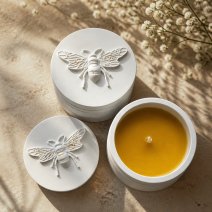
Bee Candle - White
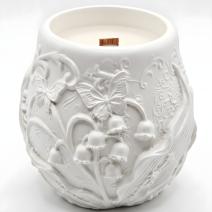
Convallaria Candle - White / Milk, Honey
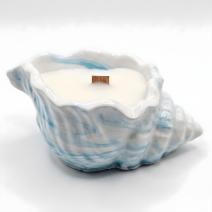
Candle Wave - Blue / Vanilla
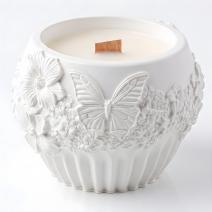
Candle Meadow - White / Cherry, Almond
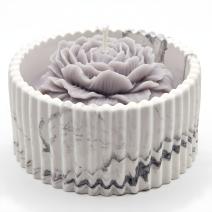
Carrara Candle - Peony / White / Silver / Lime, Mango
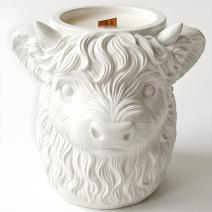
Highland Cow Candle - White / Vanilla
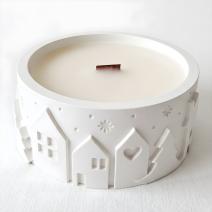
Winter Landscape Candle - White / Milk, Honey
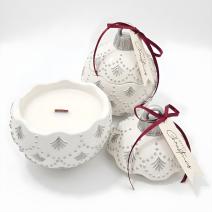
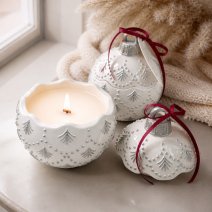
Christmas Bauble Enchanted Candle - White / Silver / Winter Magic
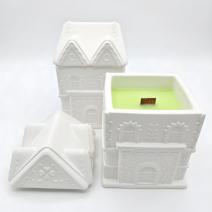
Medium House Candle - White / Apple, Cinnamon



Comments
Add comment
Login required
To add a comment, you must log in to your account.
Don't have an account? Register