
Paraffin vs. vegetable wax — what you breathe in your living room
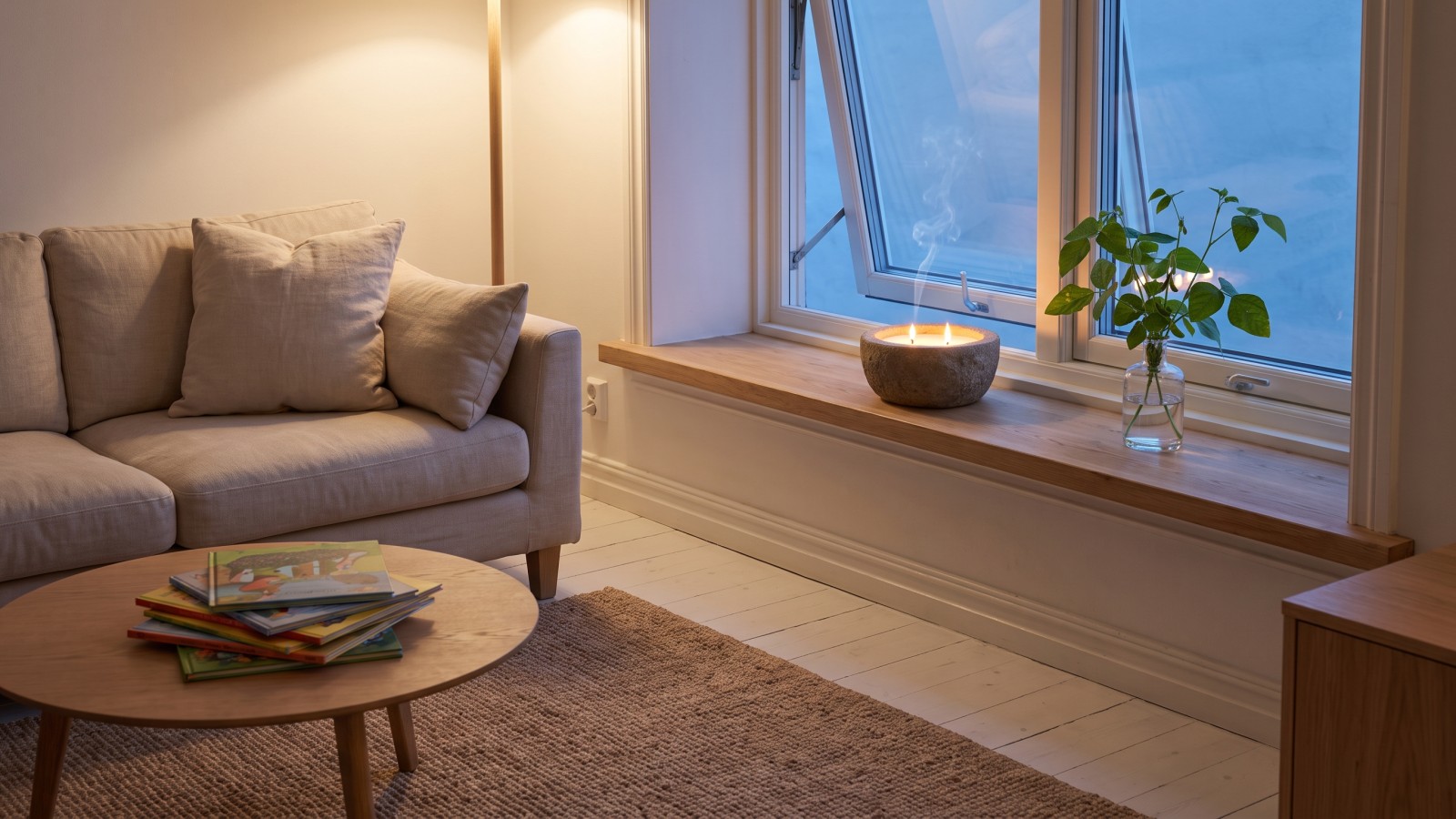
Two years ago, in a drugstore in Petržalka, I witnessed a scene that has stuck in my mind ever since. A young mother with two small children, one in her arms, the other clinging to her leg, stood by a shelf of cheap candles holding two of them. One cost one euro fifteen, the other three euros ninety. She asked the saleswoman if the cheap one was safe, because she has small children at home and often has dinner with them in the living room. The saleswoman looked at her and said with certainty in her voice: "Yes, of course, it's certified, I would buy it for my daughter too." The mother put the cheap one in her basket and left. I thought to myself: the two of us have no way to discuss this here, among the shelves of laundry detergents, but what the saleswoman just said isn't entirely true. Nor is it entirely a lie. It's a simplification that won't make that mother's life any easier, because at the end of the day she'll light that cheap candle, the children will be breathing in that living room, and no one will tell them exactly what.
The candle in the living room and how much of it you actually breathe
I wrote this article for that mother from the drugstore and for you, if a similar question has ever crossed your mind. An average living room has 70 to 100 cubic meters, and with windows closed, the air changes at most half to one time per evening through natural ventilation. If you light one soy wax candle, your family's lungs will receive something chemically very similar to water and carbon dioxide. If you light one fully refined paraffin candle, the lungs will receive the same plus traces whose concentration depends on room ventilation, burn time, and the number of candles lit simultaneously. Those traces have names: toluene, benzene, formaldehyde, acrolein. The difference between candles isn't just about scent or price. It's about what enters the lungs through the mouth.
The anatomy of a candle and its components
A candle is not just wax. It consists of four basic components, sometimes six. Wax (75 to 95% by weight) can be petroleum-based (paraffin), plant-based (soy, coconut, rapeseed, palm), or animal-based (beeswax). Wax is the fuel. When the wick burns, capillary action draws the liquid wax upward; the flame itself reaches a peak temperature of around 1,400 °C in the blue base, but wax vaporization occurs at 250 to 350 °C. The wick is typically cotton, sometimes with a metal core (formerly lead, now mostly zinc). It controls how quickly the wax reaches the flame. Fragrance oils (5 to 12% by weight) are either synthetic (a cocktail of 30 to 100 individual chemicals) or natural essential oils. Dyes and additives in cheap mass-produced candles can contain heavy metals, stabilizers, and antioxidants that the law does not require to be declared on the label.
When a candle burns, it's not just the wax that vaporizes. All components heat up together and release combustion products. If a cheap paraffin candle has a wick with a metal core and synthetic fragrance oils with additives, the living room air will receive burned paraffin plus traces of metal, additives, and fragrance breakdown products. This happens slowly and silently on the shelf while your child sleeps in the corner of the sofa.
What is paraffin and how is it made
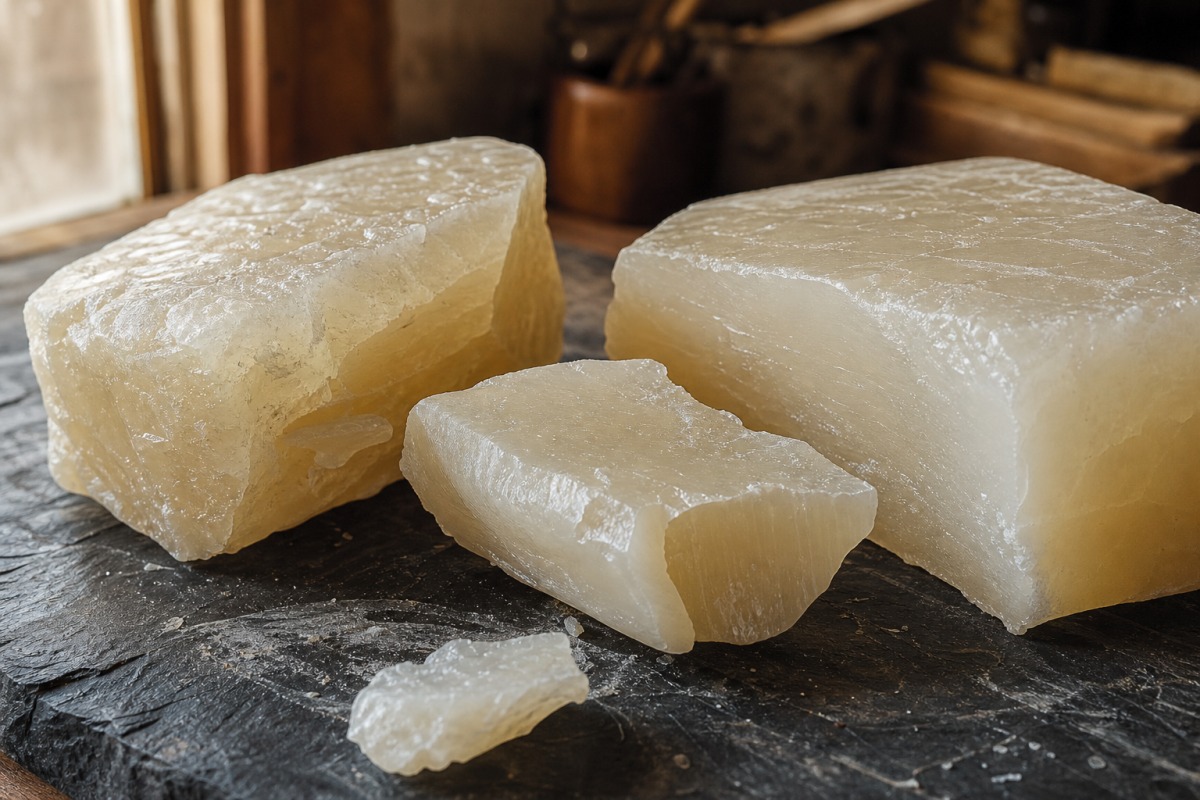
Paraffin is a mixture of higher hydrocarbons, predominantly saturated alkanes with a chain length of C₂₀ to C₄₀. It is produced by fractional distillation of crude oil as a byproduct of mineral oil refining. After separating crude oil into gasoline, diesel, and heavier fractions, a solid fraction remains at the bottom, from which paraffin is extracted during further processing. It is a white, waxy substance without odor or taste.
Commercially, two basic types are distinguished. Fully-refined paraffin has an oil content below 0.5% and is certified as food-grade, used in confectionery, cosmetics, and medicine. Semi-refined paraffin has an oil content of 1 to 3% and is used in mass-produced candles. The type you buy for €1.50 at the drugstore almost always falls into this second category. The paraffin used in cheap candles is not "pure"; it contains residual aromatic hydrocarbons (benzene rings from crude oil), traces of sulfur, and often dyes with heavy metals. When burned, these impurities become a source of emission problems.
What is plant wax: soy, coconut, rapeseed
Plant waxes used for candles are hydrogenated vegetable oils. Crude soy or coconut oil is liquid at room temperature; the transformation into wax occurs through hydrogenation, which saturates the double bonds in fatty acids with hydrogen and raises the melting point. The result is a white or light yellow solid substance.
Soy wax is the most widespread plant alternative, with a melting point of 49 to 55 °C. Made from fully hydrogenated soybean oil, most commonly from American or Brazilian fields. Coconut wax is made from hydrogenated coconut oil, often blended with soy. Melting point 50 to 54 °C. It holds a similar amount of fragrance as soy (10 to 12%) and typically provides a strong and balanced scent in the room. Rapeseed wax is a European alternative, rarer on the Slovak market.
The common denominator of all three is chemical purity. Plant waxes do not contain aromatic hydrocarbons, sulfur, or traces of heavy metals from petroleum processing. When burned, they produce mainly water, carbon dioxide, and small amounts of aldehydes from fragrance compositions. The material itself is not a source of benzene or toluene.
The rule "cheap equals paraffin": the economic logic of pricing
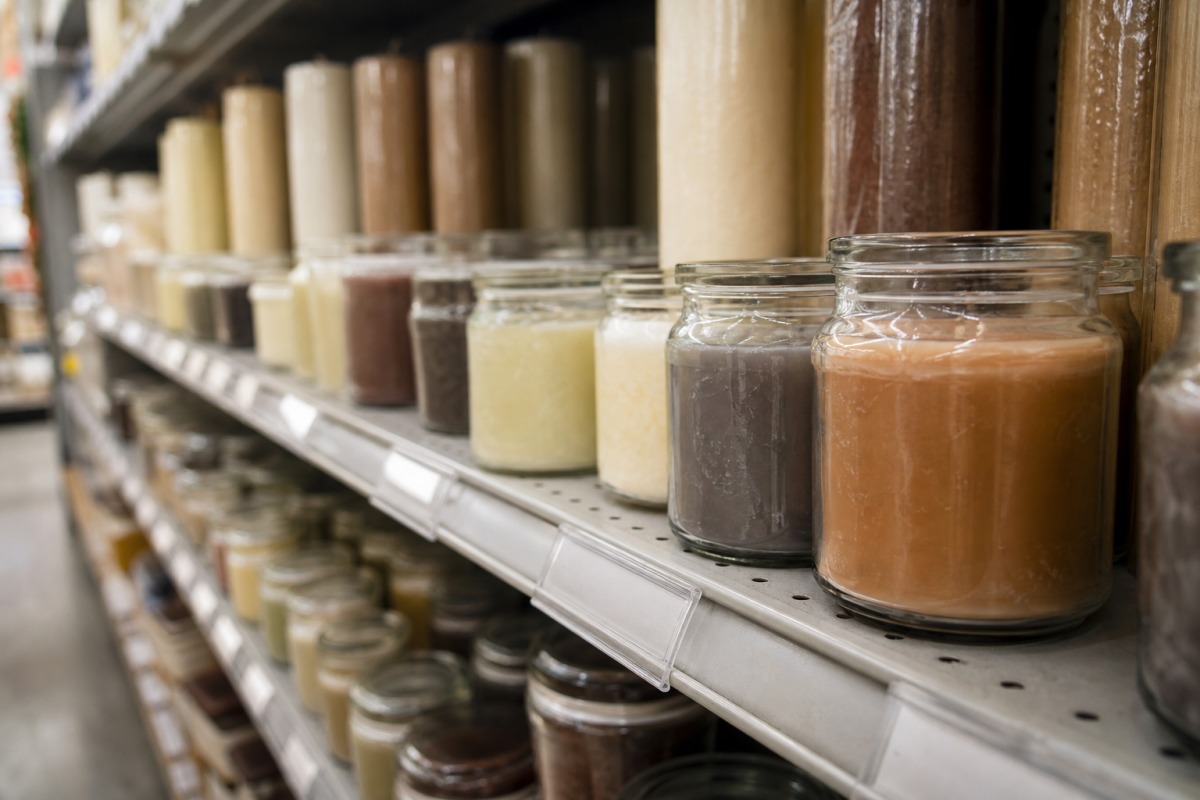
This rule wasn't stated by any scientist. I stated it myself, the first time I calculated raw material costs. It works reliably, and if you understand its logic, you can estimate a candle's composition in a drugstore without reading the label. A manufacturer buys one hundred grams of fully refined paraffin wholesale for roughly €1.50 to €2. One hundred grams of soy wax costs €4 to €6, and coconut wax costs €7 to €12. The price difference is three to four times. Add the wick, container, fragrance, labor, and marketing, and you'll understand why a candle on the shelf for €1.15 simply cannot be plant-based. The raw materials would cost more than the entire candle.
This leads to an economic rule: if a candle costs up to two euros, it is almost certainly made of paraffin. If it costs up to four euros and the packaging doesn't state otherwise, it is highly likely also paraffin or a paraffin-stearin blend. A genuine plant-based candle in Slovak stores starts at around €15 to €20. Expensive candles aren't always plant-based (some luxury brands sell paraffin candles for €50 with beautiful packaging; the price funds the packaging and brand, not the wax). But the reverse logic holds firmly: a cheap candle cannot be plant-based.


South Carolina State 2009: What This Study Says and What It Doesn't
Now comes the part of this article that is perhaps the most important and about which the most misinformation spreads online. In August 2009, a pair of chemists from South Carolina State University, Ruhullah Massoudi and Amid Hamidi, presented a study at an American Chemical Society conference claiming that paraffin candles release benzene and toluene when burned, while vegetable waxes do not release these substances. The specific numbers were dramatic: vegetable waxes released 0% benzene and 0% toluene, paraffin released approximately 12 µg/h of benzene and 32 µg/h of toluene, with a range of 38 to 180 µg/m³ depending on room size.
These numbers spread across the internet and became the study cited by anyone wanting to say "paraffin is unhealthy." Before taking them as definitive, you need to know three layers of context. The study was not published in a peer-reviewed journal; it was only a conference presentation. It was funded by the USDA Soybean Promotion Board, a promotional body for American soybean growers, which is a conflict of interest. And in 2018, the European Candle Association (ECA) issued a formal statement labeling the study as "bad science," arguing about the abnormally small measurement chamber and samples not corresponding to current paraffin production.
A counterbalance came from a peer-reviewed counter-statement from 2014. Petry et al. published in Regulatory Toxicology and Pharmacology (Volume 69, Issue 1, Pages 55 to 70) a peer-reviewed paper funded by the European Candle Association (ECA) and IFRA (International Fragrance Association). The conclusion: under normal use, scented candles do not pose a known health risk. This peer-reviewed counter-statement is cited more in published literature than the original SC State presentation. It's not entirely clean here either; the conflict of interest goes the other way (ECA funded both sides), but it exists. Newer peer-reviewed analyses confirm a similar picture; an expert commentary "Beyond Aromatherapy" in Environmental Science & Technology (2023) highlights underestimated risks associated with scented candle emissions (volatile and semi-volatile organic compounds, fine particle formation) and calls for caution, especially for families with children.
So where is the truth? Paraffin does indeed release traces of difficult-to-burn organic molecules when burned; the question is only the amount and context. The values from Massoudi and Hamidi for a single paraffin candle in a standardly ventilated room are below the levels for short-term health effects in a healthy adult. Cumulatively, with multiple candles, longer daily burning (4 to 6 hours), in a poorly ventilated room, the values can approach the range where the EPA and WHO recommend reducing exposure. The precautionary principle for families with small children, asthmatics, or patients with chronic lung disease is: if an alternative exists (plant-based wax) that eliminates the risk, it is reasonable to choose it. It's not fear; it's an intelligent reduction of an unnecessary variable.
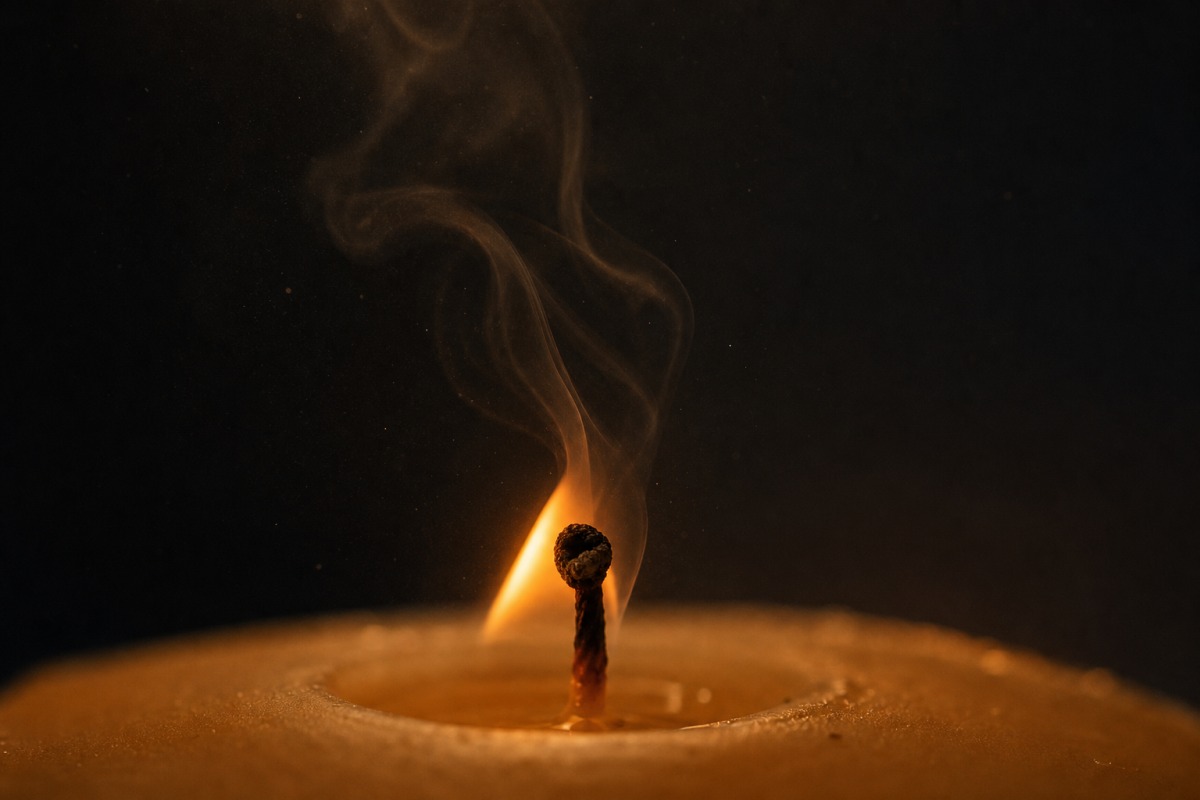
IARC Group 1: What It Means for Benzene in a Room
IARC (International Agency for Research on Cancer, WHO) classifies substances into four groups based on their carcinogenic potential for humans. Group 1 means "known human carcinogen," i.e., proven carcinogenicity for humans based on sufficient epidemiological evidence. This group includes tobacco smoke, asbestos, formaldehyde, plutonium, and, since 1982, benzene.
Let's compare these numbers with what we normally breathe:
- Outdoor air, urban environment: 1 to 5 µg/m³
- Outdoor air, countryside: 0.2 to 1 µg/m³
- Indoor air after ventilation: 2 to 8 µg/m³ (background from outdoor air + emissions from building materials, adhesives, carpets)
- Indoor air during the burning of one paraffin candle: 10 to 30 µg/m³ short-burst, recovery after 30 minutes of ventilation back to 2 to 8 µg/m³
- Cigarette smoke ambient: 50 to 300 µg/m³ (during smoking in a room, recovery takes hours)
- Gasoline station ambient (during refueling): 500 to 2,000 µg/m³ short exposure
This means that occasional burning of a paraffin candle in a ventilated room does not pose an acute health risk. The concentration is higher than the background level, but it drops sharply after the candle is extinguished and the window is opened. Long-term risk (4 to 6 hours of daily burning year-round) accumulates and shifts the exposure profile towards an increased category. For comparison: a smoker in one room exposes themselves and their family to benzene levels 3 to 30 times higher than a single paraffin candle, and does so daily. A candle is not a cigarette. However, if you have an asthmatic or a child under 3 years old in the family, avoiding paraffin candles as a precaution is a sensible decision. The WHO Air Quality Guidelines 2021 are the strictest for benzene because the "no safe level" principle applies to the IARC Group 1 carcinogen. In the USA, benzene is not among the six criteria pollutants with a national limit (NAAQS), but it is classified as a Hazardous Air Pollutant — the EPA has set a reference concentration (RfC) for it at the level of tens of µg/m³. Frequency and ventilation are just as important as the choice of wax.
A child's lungs vs. an adult's and why children are more sensitive
This is the section that the mother from the drugstore would most urgently need to hear. Pediatric pulmonologists repeatedly emphasize that children's lungs are not a "small version" of adult lungs. They are qualitatively different in three specific aspects that directly affect how they react to inhaled substances.
First difference: air exchange per kilogram of body weight. A three-year-old child exchanges roughly twice the amount of air per kilogram of their body weight at rest compared to an adult. In other words, if a room contains 100 cubic meters of air and 5 µg/m³ of benzene, the child inhales proportionally twice as much per kilogram per hour. At the same concentration, the child thus absorbs a double "dose" relative to their weight.
Second difference: growing tissue is more sensitive. A child's lung alveoli are still forming until about the age of eight. This means the tissue is biologically more active, and dividing cells react more sharply to carcinogenic stimuli. Benzene is in IARC Group 1, the same category as tobacco smoke or asbestos. For adult lungs, long-term low-level exposure is one thing. For growing children's tissue, caution is warranted.
Third difference: mouth breathing. Young children often breathe through their mouths, especially when they have a cold or are running around, which bypasses nasal filtration (hairs, mucus, cilia) that traps some particles. This means that what an adult family member would filter through their nose, the child inhales directly into the depths of the lung tree.
Summary for parents: there is no reason to panic if you occasionally light a paraffin candle in a room where children are playing. But if you get into the habit of burning candles every evening during winter as part of a bedtime ritual, it is worth considering whether these are precisely the moments when it is worth investing in vegetable wax. Not out of intellectual fear, but out of elementary caution towards growing lungs.
Pets: birds, cats, dogs
Very little is said about this section, yet it is one of the strongest arguments for vegetable wax if you have a pet in the household.
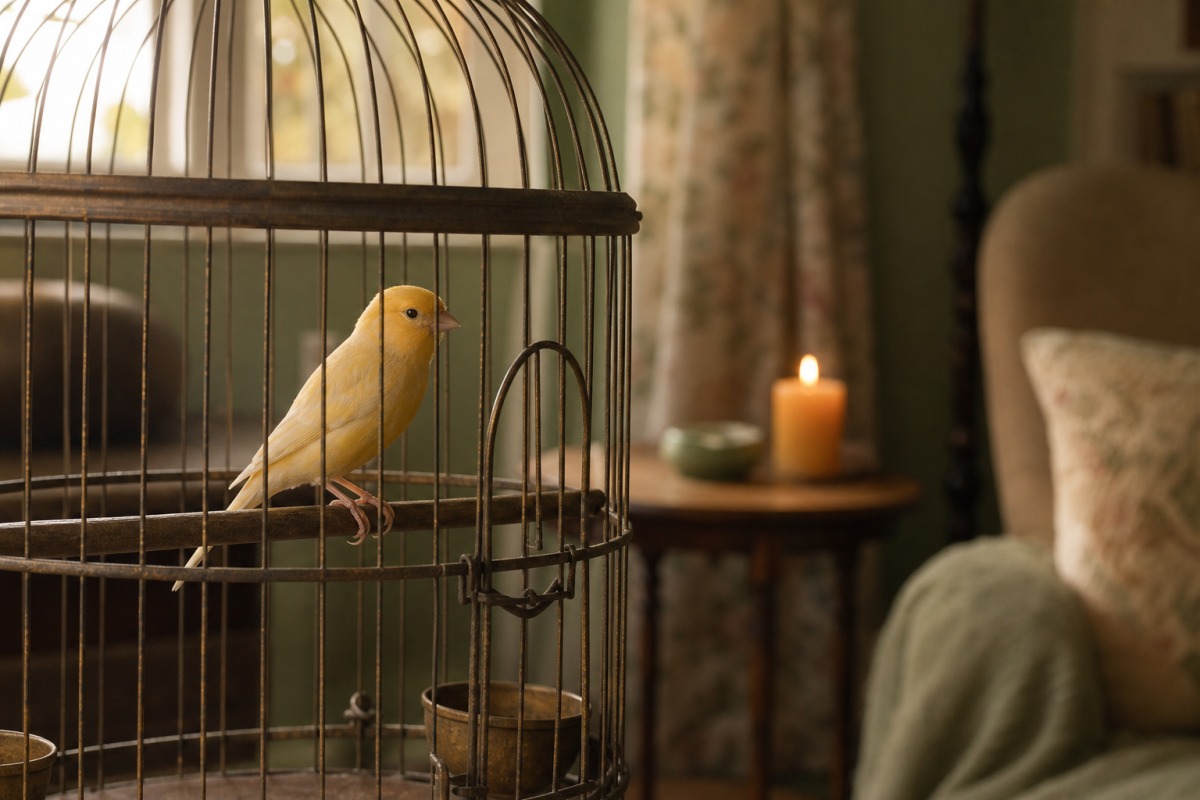
Birds. If you have a parrot, budgie, canary, or other exotic bird in your home, read this paragraph twice. The avian respiratory system is evolutionarily designed for extremely efficient oxygen exchange. Birds have air sacs connecting the entire body, so inhaled air passes through the lungs in one direction (unlike mammals). The consequence: birds absorb inhaled substances incredibly efficiently. Toxins that an adult human might not even notice can be fatal for a canary within hours. This is why birds were historically used in mines as an early warning system for coal gas. Veterinarians specializing in exotic birds almost unanimously recommend not using paraffin candles, wax melts, or aerosols in a household with a bird. Unscented vegetable candles are the safest choice.
Cats. A cat has relatively small lungs and a high metabolism, making it the second most sensitive species after birds. Essential oils added to many candles (eucalyptus, tea tree, citrus) are neurotoxic to cats upon skin contact or prolonged inhalation. Cats cannot metabolize the phenols contained in most aromatic essential oils. If you have a cat, the candle should be either unscented or have a scent strictly verified as cat-friendly.
Dogs. Dogs are more tolerant of candles than cats and birds, but the rule applies: the smaller the breed, the more sensitive the lungs. A Chihuahua in a small room where a paraffin candle with a synthetic fragrance burns every evening may eventually suffer from chronic coughing or eye inflammation.
Burn rate and scent intensity
The National Candle Association (NCA) in the USA refers to the candle fire safety standard ASTM F2417 (flame height below 76 mm, stability and container integrity even at a 10° tilt, wick behavior). Note: F2417 is a fire safety standard, not a burn rate or emissions test — the following burn rate values are approximate empirical measurements. For a 100 g candle in an 8 cm diameter container:
- Soy wax: 3.5 to 4 g/hour burn rate, a 100 g candle burns for 25 to 28 hours
- Coconut wax: 3.2 to 3.8 g/hour, a 100 g candle burns for 26 to 31 hours
In its rebuttal, ECA noted that some marketing materials claimed up to "50% longer lifespan," which is inaccurate. The empirical data is also supported by a peer-reviewed study from the journal Combustion and Flame (2023), which models the relationship between wick geometry, wax density, and flame stability. The melting point of vegetable waxes is 49 to 55 °C; paraffin has a wider range (46 to 68 °C according to the Penreco datasheet).
Fragrance load is a technical term for the amount of essential oils that the wax can absorb without weeping (candle sweating) or an unstable flame. Soy wax holds approximately 6 to 10%, coconut wax 10 to 12%, and paraffin generally 10 to 12%. Due to its higher burning temperature, paraffin traditionally has a strong scent when the candle is lit (hot throw), while vegetable waxes excel more in their scent when the candle is unlit in the store (cold throw).
Regulation (EU) 2023/1545 (amending the Cosmetics Regulation 1223/2009) introduces mandatory labeling of an expanded list of fragrance allergens (from 24 to 80) for products placed on the market after July 31, 2026. For soy waxes, there are sustainability certifications such as RTRS (Roundtable on Responsible Soy) or ProTerra, which guarantee that the raw material does not come from deforested areas of the Amazon. When purchasing a vegetable wax candle, it is worth asking for the specific certificate.
How to recognize an honest candle in 5 points
In the store, in front of the shelf, you have 30 seconds. Here are five points that decide between an honest and a deceptive candle.
Point 1: Ingredients on the label, explicitly stated. An honest vegetable wax candle will say "100% soy wax" or "soy-coconut blend." Labels like "natural wax," "eco wax," "bio wax" without a specific ingredient usually mean a blend with paraffin (50/50, 70/30 in favor of paraffin). If the ingredients are missing entirely from the label, it is almost certainly 100% paraffin.
Point 2: Price per 100 g and physical logic. A finished 100 g paraffin candle can cost €1.50 to €3 and still be profitable. The same 100 g candle made from pure soy wax cannot cost less than €6. If you see a "100% natural candle" in a drugstore for €2.50, the economics of physics tells you it is not 100% vegetable wax.
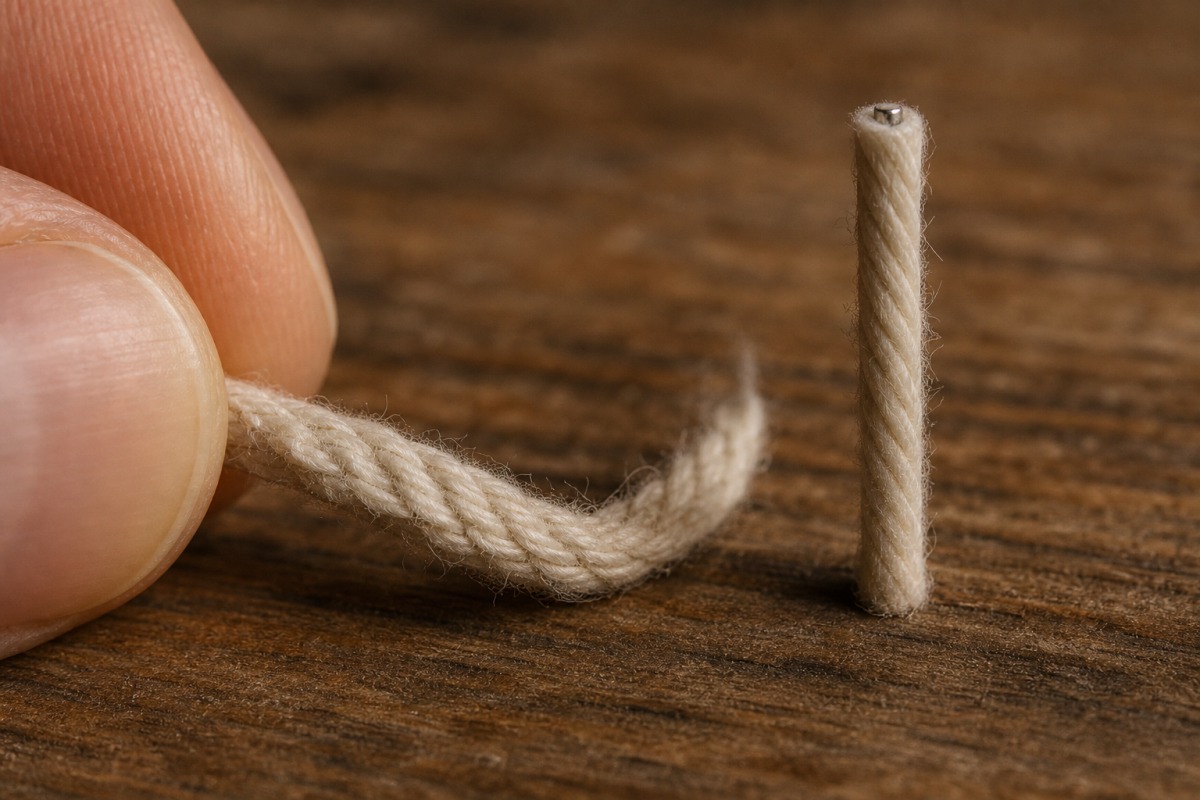
Point 3: Wick, cotton without a metal core. A traditional cotton wick is thin, flat, and may be braided with a thin paper reinforcement. A cored wick is a wick with a metal core (zinc, lead, aluminum) that keeps the wick straight even in soft wax and is used in cheap candles. The CPSC in the USA banned lead wicks in 2003, but zinc ones are still used. Pulse check: gently pull the wick between your fingers. If it is stiff and holds its shape on its own, it is a cored wick.
Point 4: Burn test (if possible). An honest candle burns with a clean flame, no black smoke, no soot on the inside of the container after the first hour of burning. After extinguishing, the wick has no "mushroom" formation (black ball on top), only a slightly broken end. A candle poured from solid-phase paraffin will have a fine film of soot on the inner glass after an hour of burning, visible when viewed at an angle to the light.
Point 5: Cold throw and wax transparency. Vegetable waxes typically have a matte, milky appearance, sometimes with minor surface irregularities (soy wax often "blooms" with temperature changes, which is perfectly normal). Paraffin, on the other hand, is smooth, glossy, and often translucent white. The cold throw of vegetable wax is more subtle but naturally more complex (dozens of aromatic components from essential oils). A candle made from a solid block of paraffin with cheap synthetic perfume has a "flat" scent, simple, intense, often with a chemical undertone.
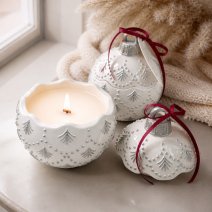
Decision matrix by family profile
After all the numbers and regulatory references, it is now time for a practical synthesis. Four broader household profiles, for each I recommend the most sensible path.
Profile 1: Family with children under 6 years old or asthma in the family. Vegetable wax (soy, coconut), preferably unscented or with natural essential oils in low concentration. Children's lungs develop until age 8 and are more sensitive. An asthmatic reacts even to sub-irritant levels of aromatic compounds.
Profile 2: Household with pets (birds, cats, small dogs). For birds, either no candles at all (LED alternative), or unscented vegetable wax candles in a room the bird cannot access, with an open window. Paraffin is categorically not recommended. For a cat or small dog, vegetable wax without an intense scent. Cats cannot metabolize phenols from many essential oils.
Profile 3: Typical adult household (1 candle per evening, special occasions once a month). Any quality wax, vegetable preferred for flame cleanliness and scent intensity. The toxicological risk for an adult from one candle in a normally ventilated room is minimal. Paraffin is acceptable for holidays and short-term use with good ventilation.
Profile 4: Allergy to fragrance ingredients, pregnancy, oncology patient undergoing chemotherapy. Unscented variant regardless of wax type. Although vegetable wax is cleaner, if a fragrance oil with REACH-regulated allergens is added to it, the allergic profile remains. The path is "unscented," and this applies equally to vegetable wax and paraffin.
This decision is not about ideology, but about exposure optimization based on the family profile. For an adult single-person household without chronic respiratory issues, both categories are realistically usable. For a family with children and respiratory patients, the balance clearly shifts towards vegetable waxes.
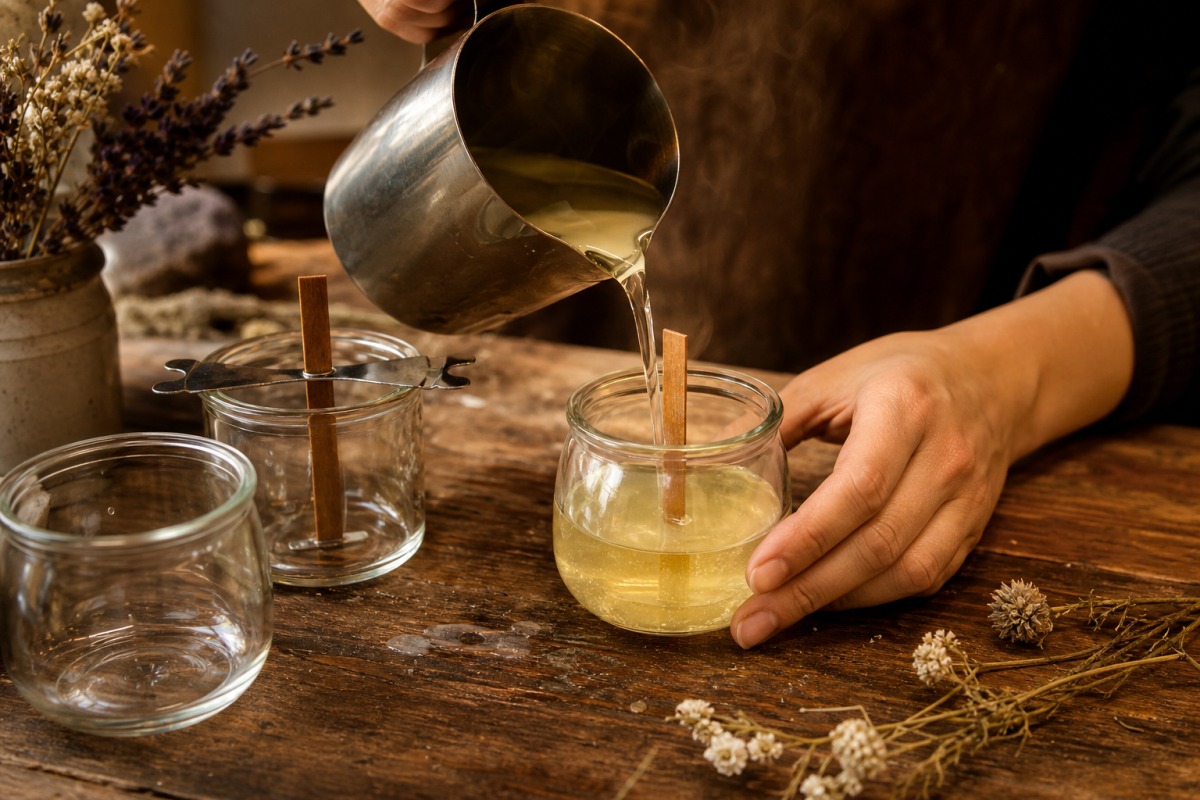
NOBAMO handmade production and choice of materials
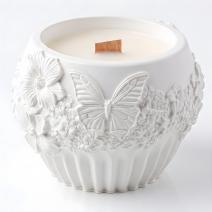
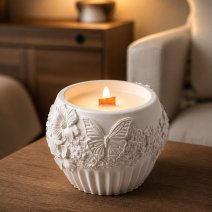
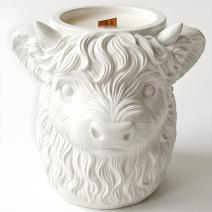
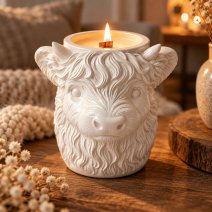
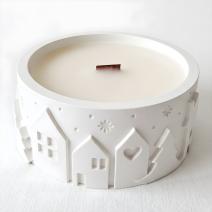
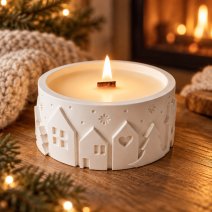
Allow me a brief note here on handmade production. NOBAMO vegetable candles have been made by hand for several years. Soy and coconut wax is selected from verified suppliers, no synthetic dyes. The scents are blends of fragrance materials at a concentration of up to ten percent.
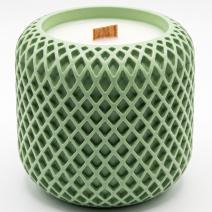
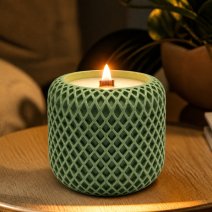
Our wicks are cotton and wood, without a metal core. At the base they are held only by a metal wick tab, as is usual for candles. The glass jar that remains after burning is suitable as a miniature vase for dried flowers. What we today call "premium" means only honestly chosen raw materials and consideration for the customer who lights the candle in their living room and trusts that what they are breathing is safe.
Conclusion: an informed choice without fear
I will return to that mother from the drugstore in Petržalka. If I were standing before her now with everything I have written here, I would tell her this.
A cheap paraffin candle from the drugstore is not acutely dangerous. If you buy it and light it once every few weeks during dinner with friends, nothing will happen to the children. Your grandmother lived with it her whole life and managed. Science does not say that paraffin is deadly; it says that paraffin candles release trace molecules when burning, which, with long-term daily exposure in a small room, can have a cumulative effect. That is a completely different statement from "paraffin will kill your children," and the internet often does not distinguish between these two statements.
But if you have children in the living room, if you have dinner there every evening by candlelight, if you light three to four candles at once throughout December, if you have a parrot or a grandmother with asthma in the house, or if you are in your first trimester of pregnancy, then the question changes. Then we are not talking about a one-time risk, but about a cumulative variable that you can easily eliminate with a simple choice: vegetable wax, ideally unscented or with a natural scent, a wick without a metal core, a well-ventilated room.
The price difference between a cheap paraffin candle (€1.15) and an honest vegetable candle (€18) seems enormous. Yes, the vegetable candle is more expensive per hour. But for that price, you get a cleaner flame and a scent.
An informed choice is not about fear. It is about understanding what you are releasing into your lungs and choosing based on what you know. The saleswoman at the drugstore did not have bad intentions; she simply lacked information. You now have it. Use it.
- NFPA Home Candle Fires Report — 7,200 home fires per year in the US, peak around Christmas.
- CPSC 2018-2020 Residential Fire Loss Estimates — 12,860 home fires/year, 136 deaths.
- National Candle Association (NCA) — industry position and ASTM F2417 burn-rate testing protocol.
- Petry T, Vitale D, Joachim FJ, Smith B, Cruse L, Mascarenhas R, Schneider S, Singal M. Human health risk evaluation of selected VOC, SVOC and particulate emissions from scented candles. Regulatory Toxicology and Pharmacology 69(1):55-70, 2014 — peer-reviewed; under normal use, scented candles pose no known health risk. Funding: European Candle Association (ECA) and IFRA.
- ECA refutation 2018 — official industry response to South Carolina State University 2009. SC State 2009 (Massoudi and Hamidi, ACS Aug 19 2009) NOT peer-reviewed, USDA Soybean Board-funded, publicly contested by ECA as methodologically flawed.
- Beyond Aromatherapy: Illuminating the Underappreciated Risks Associated with Scented Candle Exposure — Environmental Science & Technology, 2023 (Comment; DOI 10.1021/acs.est.3c07574, PubMed 37794758); emissions of scented candles and indoor air quality.
- ScienceDirect 2023 — Combustion and Flame wick/wax burn-rate relationship.
- EPA Hazardous Air Pollutants list — benzene listed under IARC Group 1. Cross-reference: IARC Monographs.
- Penreco Calwax product datasheet — paraffin wax specs; melting point 46-68 °C vs hydrogenated soybean wax 49-55 °C.
- Commission Regulation (EU) 2023/1545 — amendment to the Cosmetics Regulation (EC) 1223/2009; extended labeling of fragrance allergens (from 24 to 80), effective for new products from July 31, 2026.

Mother of two daughters, wife of Roman and the heart of our creative studio. Besides writing blogs, she dedicates herself daily to the handmade production of candles and decorative containers — she knows the materials, knows what lasts and what simply delights the home. She looks at jewelry, watches and fashion accessories from real family practice: what serves, what endures and what truly brings joy.
All articles by author
 Fruity
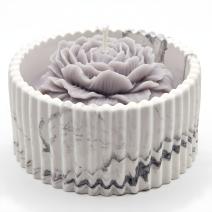
Carrara Candle - Peony / White / Silver / Lime, Mango
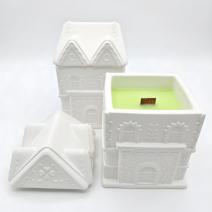
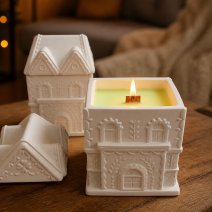
Medium House Candle - White / Apple, Cinnamon
Forever Candle - White / Coconut
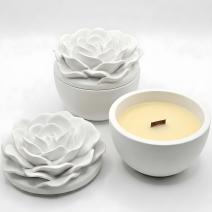
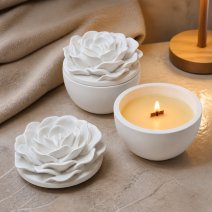
Candle Little Rose - White/Lime, Mango
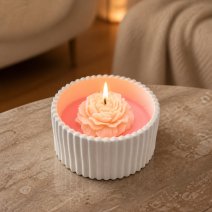
Satin Poppy Candle - White / Pink / Cherry, Almond
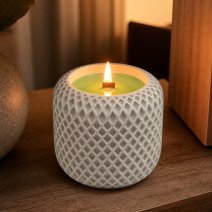
Candle Mosaic - White / Neon Green / Apple, Cinnamon
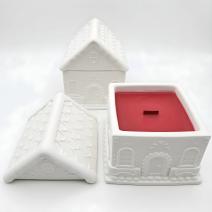
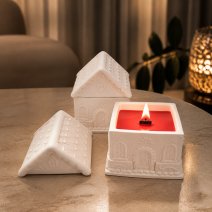
House Candle - White / Strawberry, Rhubarb
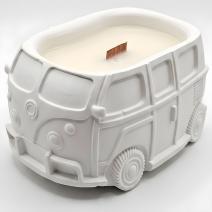
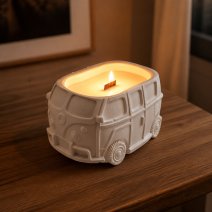
Vintage Van Candle - White / Lime, Basil, Mandarin
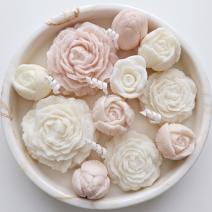
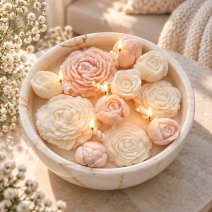
Candle Blooming Marble - White / Gold / Lime, Basil, Mandarin


Comments
Add comment
Login required
To add a comment, you must log in to your account.
Don't have an account? Register